
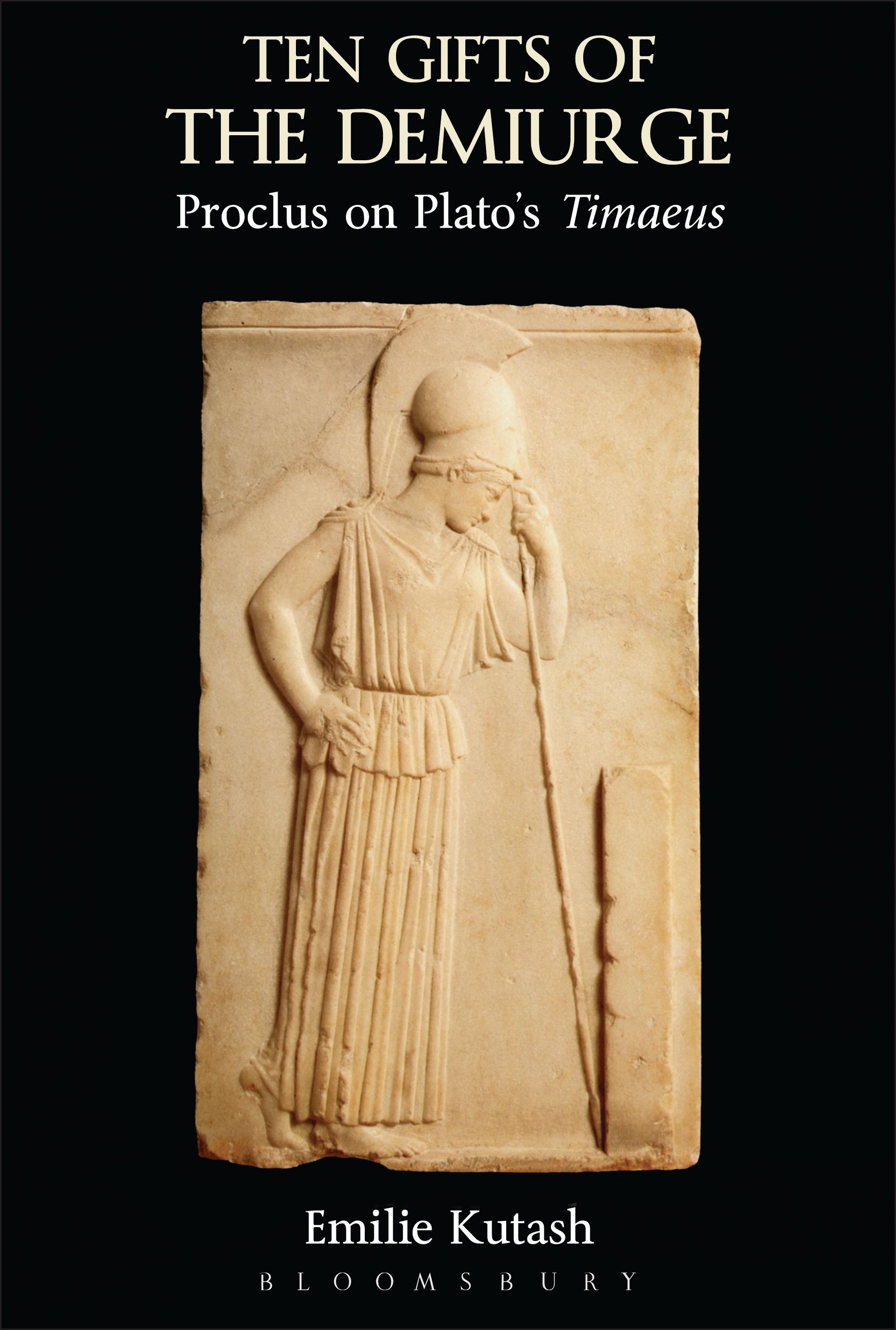
Proclus' commentary on Plato's "Timaeus" is perhaps the most important surviving Neoplatonic commentary. In it Proclus contemplates nature's mysterious origins and at the same time employs the deductive rigour required to address perennial philosophical questions. Nature, for him, is both divine and mathematically transparent. He renders theories of Time, Eternity, Providence, Evil, Soul and Intellect and constructs an elaborate ontology that includes mathematics and astronomy. He gives ample play to pagan theology too, frequently lapsing into the arcane language of the "Chaldaean Oracles". "Ten Gifts of the Demiurge" is an essential companion to this rich but complex and densely wrought text, providing an analysis of its arguments and showing that it, like the cosmos Proclus reveres, is a living coherent whole. The book provides aides to understanding Proclus' work within the complex background of Neoplatonic philosophy, familiarising the reader with the political context of the Athenian school, analysing Proclus' key terminology, and giving background to the philosophical arguments and ancient sciences upon which Proclus draws.Above all, it helps the reader appreciate the varicoloured light that Proclus sheds on the secrets of nature.
Betal enkelt med kort, Klarna, Apple Pay eller Google Pay. Ikke fornøyd? Du har alltid 14 dagers angrerett. Les mer i våre vilkår. Har du spørsmål, send oss en e-post på hello@memmo.org.
Memmo gjør det enklere å studere – uansett hvor du er i verden. Hos oss samler du pensumbøker og smarte studieverktøy på ett og samme sted: sammendrag, quizer, podkaster og flashcards. Og så Ted, din studiekompis som svarer på alt du lurer på. Over 50 000 studenter studerer allerede her – bygget for at du skal lære raskere og stresse mindre.