
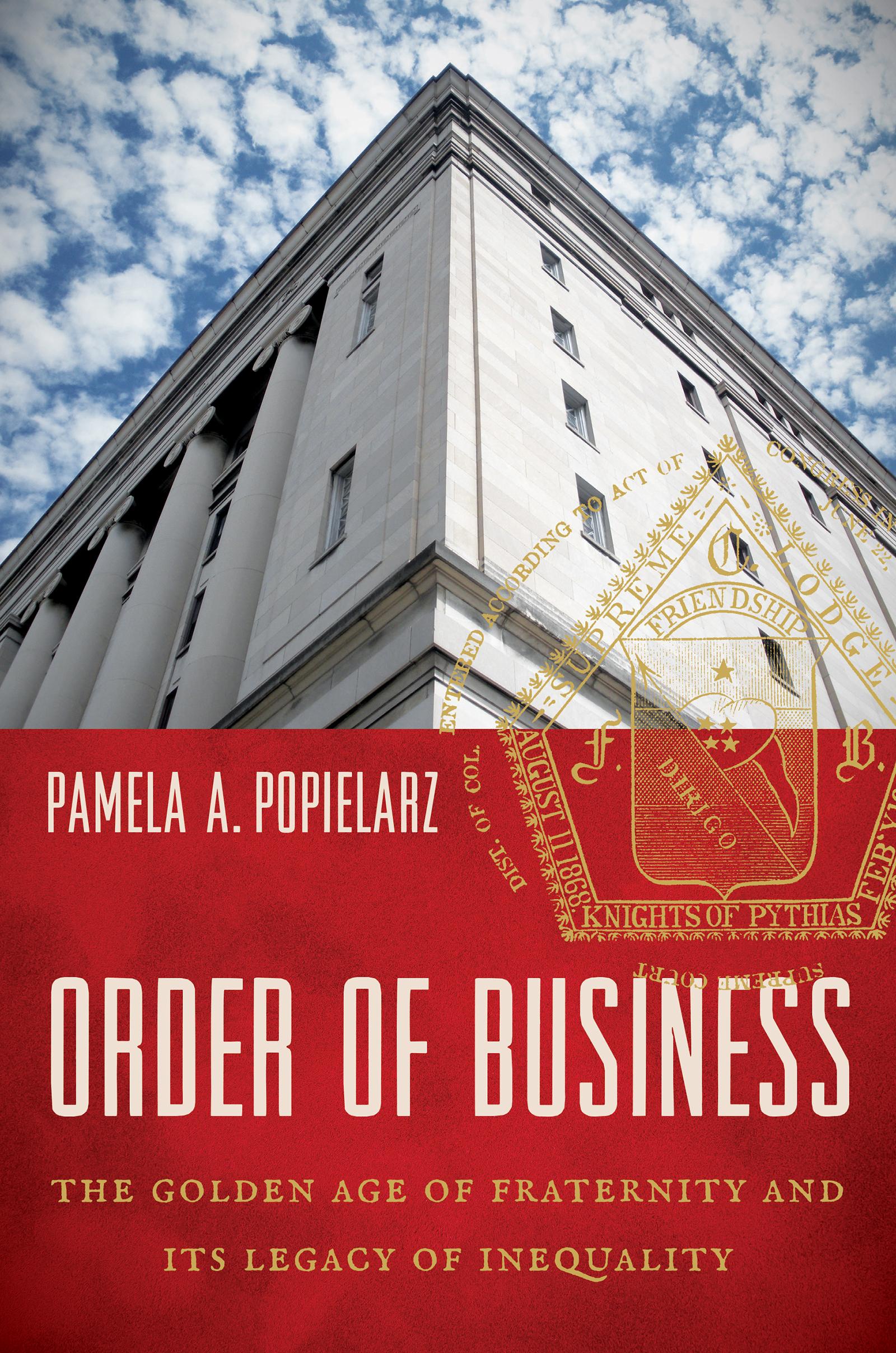
Though the industrial revolution pushed Americans into radically new modes of living, working, and organizing, patriarchy and white supremacy survived in the new institutions of the industrial economy. Fraternal orders flourished so spectacularly between the Civil War and World War I that this era—the peak of the industrial revolution—is known as the Golden Age of Fraternity. In this work of historically informed sociology, Pamela A. Popielarz explores the hidden impact of fraternal orders on systemic inequalities in American business. Most orders welcomed only white men, yet members ranged from capitalist elites to wage workers. Popielarz analyzes the Freemasons and the Knights of Pythias, illuminating who they were, what they aimed to do, and how they adopted novel business practices during the Golden Age. In doing so, she reveals the collective imprint of fraternal orders on business culture and offers new ways to understand contemporary racial and gender inequalities.
Betal enkelt med kort, Klarna, Apple Pay eller Google Pay. Ikke fornøyd? Du har alltid 14 dagers angrerett. Les mer i våre vilkår. Har du spørsmål, send oss en e-post på hello@memmo.org.
Memmo gjør det enklere å studere – uansett hvor du er i verden. Hos oss samler du pensumbøker og smarte studieverktøy på ett og samme sted: sammendrag, quizer, podkaster og flashcards. Og så Ted, din studiekompis som svarer på alt du lurer på. Over 50 000 studenter studerer allerede her – bygget for at du skal lære raskere og stresse mindre.
Du vil kanskje også like
Kjøp boken0