
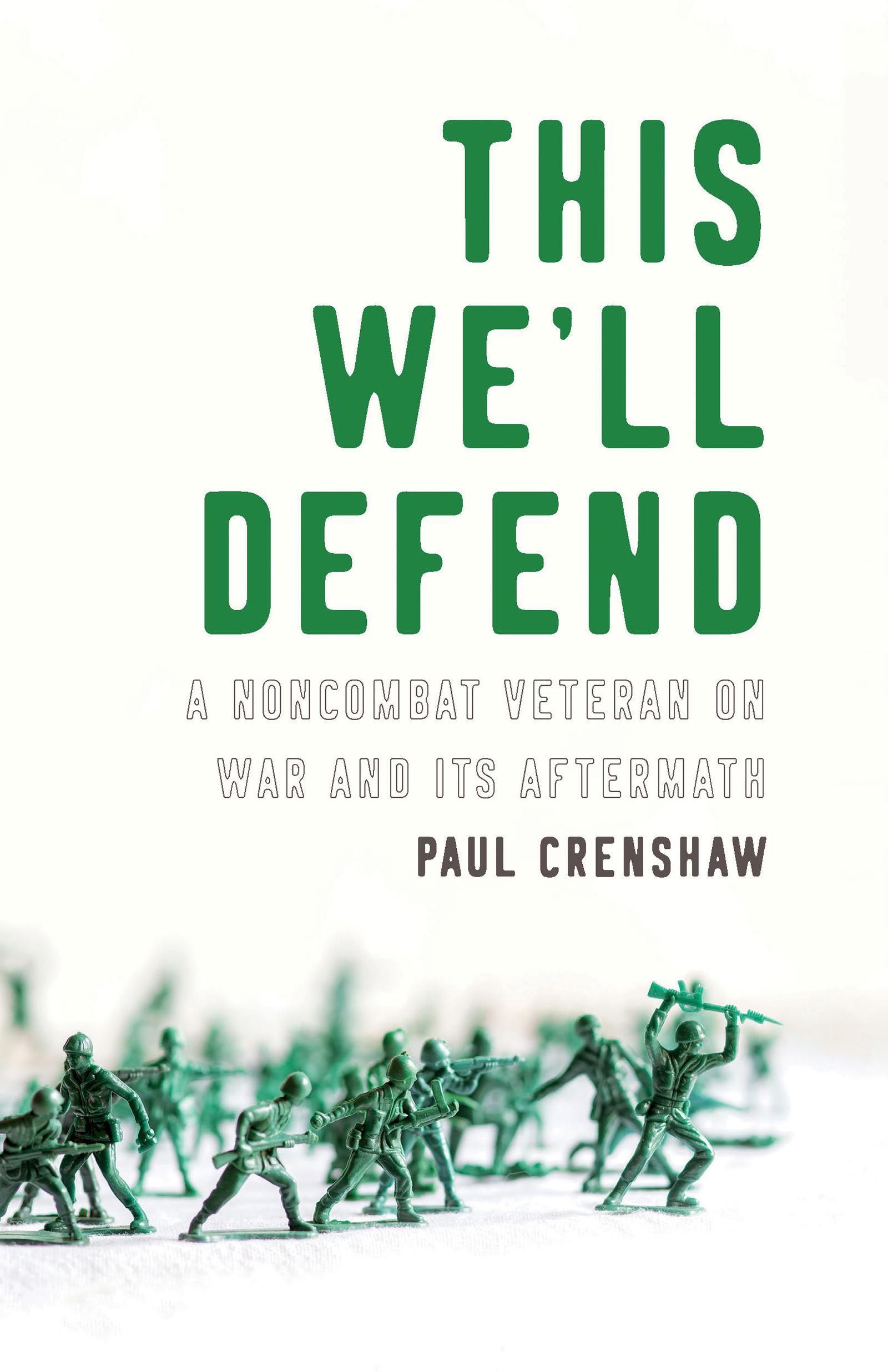
In June 1990, Paul Crenshaw shipped out for basic training for the National Guard. By August, Saddam Hussein had invaded Kuwait. Each day brought more news of mobilizing forces. For weeks, Crenshaw was told he was going to war, but after graduation, he went back home to Arkansas and watched CNN every night, lying about how much he wished he had been deployed.
Later, after Crenshaw had gotten out of the army, he began to question the reasons for the wars we fight. The essays here follow his time in the service, from Basic Training to weekend National Guard drills and the years after. Crenshaw moves from eager recruit to father worrying that his daughters might enlist. He watches the airplanes strike the Twin Towers and sees two new wars ignite out of the ashes of the old. He writes as a soldier who did not see combat but who wonders what constant combat might do to U.S. soldiers, how it affects them, and how the wars we fight affect us all. These essays reflect deeply on American culture and military life—how easily we buy into ideas of good versus bad, us versus them; how we see soldiers as heroes when more often than not they are young boys barely old enough to shave; how many return home broken while we only wave our flags instead of trying to fix them and the ideas that sent them to war.
Later, after Crenshaw had gotten out of the army, he began to question the reasons for the wars we fight. The essays here follow his time in the service, from Basic Training to weekend National Guard drills and the years after. Crenshaw moves from eager recruit to father worrying that his daughters might enlist. He watches the airplanes strike the Twin Towers and sees two new wars ignite out of the ashes of the old. He writes as a soldier who did not see combat but who wonders what constant combat might do to U.S. soldiers, how it affects them, and how the wars we fight affect us all. These essays reflect deeply on American culture and military life—how easily we buy into ideas of good versus bad, us versus them; how we see soldiers as heroes when more often than not they are young boys barely old enough to shave; how many return home broken while we only wave our flags instead of trying to fix them and the ideas that sent them to war.
Betal enkelt med kort, Klarna, Apple Pay eller Google Pay. Ikke fornøyd? Du har alltid 14 dagers angrerett. Les mer i våre vilkår. Har du spørsmål, send oss en e-post på hello@memmo.org.
Memmo gjør det enklere å studere – uansett hvor du er i verden. Hos oss samler du pensumbøker og smarte studieverktøy på ett og samme sted: sammendrag, quizer, podkaster og flashcards. Og så Ted, din studiekompis som svarer på alt du lurer på. Over 50 000 studenter studerer allerede her – bygget for at du skal lære raskere og stresse mindre.
Du vil kanskje også like
Kjøp boken0