
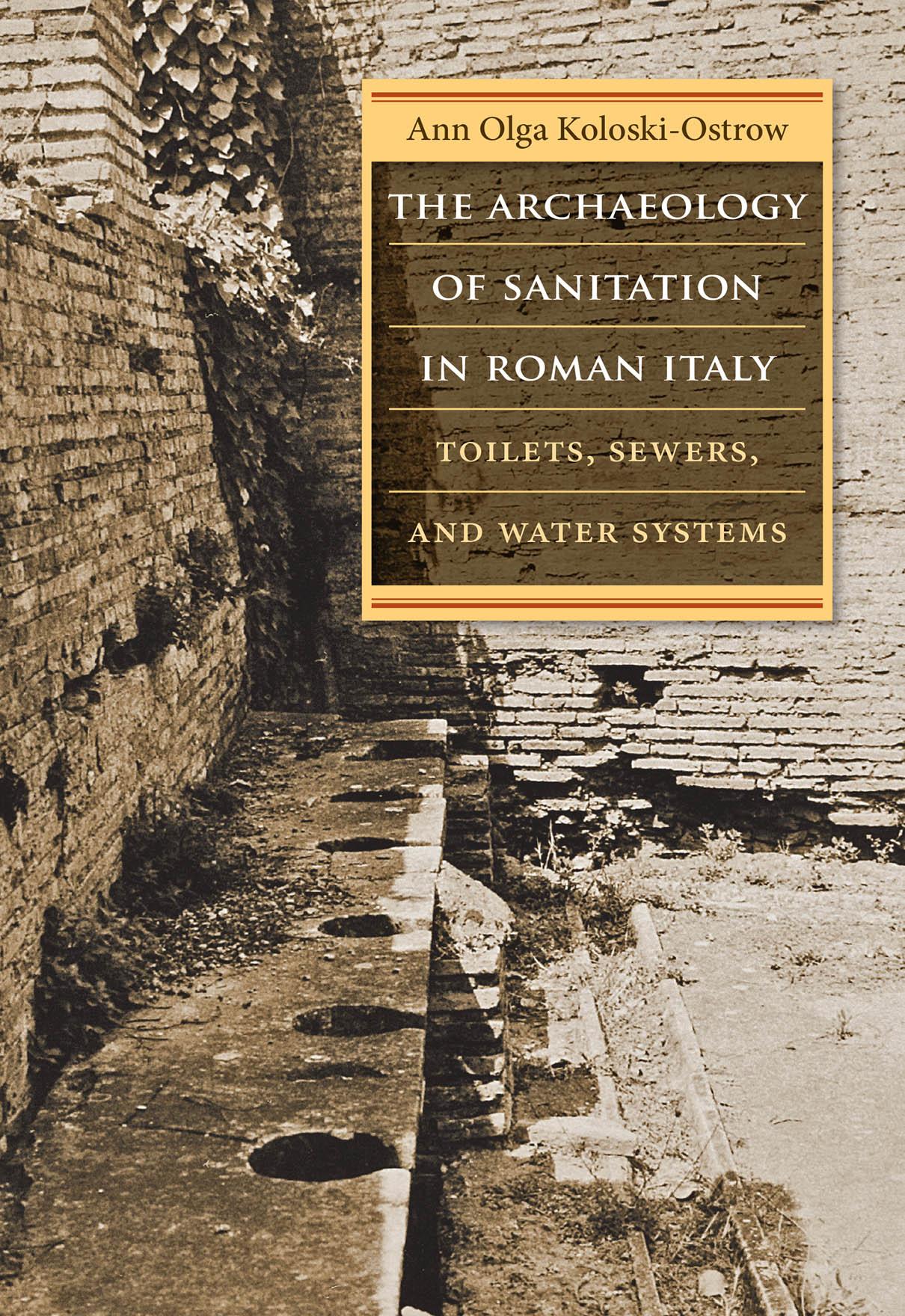
The Romans developed sophisticated methods for managing hygiene, including aqueducts for moving water from one place to another, sewers for removing used water from baths and runoff from walkways and roads, and public and private latrines. Through the archeological record, graffiti, sanitation-related paintings, and literature, Ann Olga Koloski-Ostrow explores this little-known world of bathrooms and sewers, offering unique insights into Roman sanitation, engineering, urban planning and development, hygiene, and public health. Focusing on the cities of Pompeii, Herculaneum, Ostia, and Rome, Koloski-Ostrow’s work challenges common perceptions of Romans' social customs, beliefs about health, tolerance for filth in their cities, and attitudes toward privacy. In charting the complex history of sanitary customs from the late republic to the early empire, Koloski-Ostrow reveals the origins of waste removal technologies and their implications for urban health, past and present.
Betal enkelt med kort, Klarna, Apple Pay eller Google Pay. Ikke fornøyd? Du har alltid 14 dagers angrerett. Les mer i våre vilkår. Har du spørsmål, send oss en e-post på hello@memmo.org.
Memmo gjør det enklere å studere – uansett hvor du er i verden. Hos oss samler du pensumbøker og smarte studieverktøy på ett og samme sted: sammendrag, quizer, podkaster og flashcards. Og så Ted, din studiekompis som svarer på alt du lurer på. Over 50 000 studenter studerer allerede her – bygget for at du skal lære raskere og stresse mindre.
Du vil kanskje også like
Kjøp boken0