
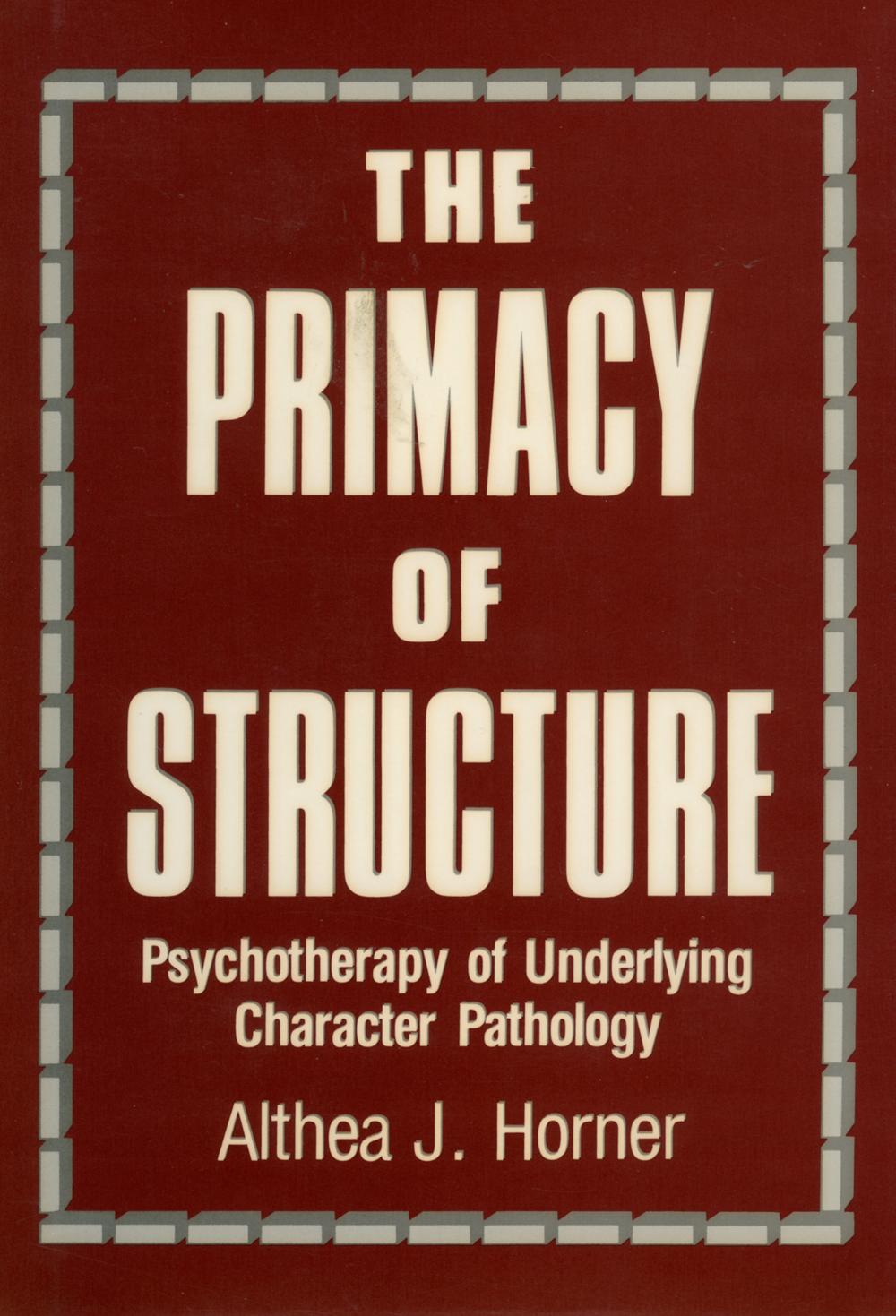
In "The Primacy of Structure" Althea Horner argues that effective psychotherapeutic intervention depends on the understanding of clinical symptoms in terms of the patient's underlying character structure. For example, obsessive behavior that functions to hold together a fragile, inadequately integrated self must be distinguished from obsessive behavior that defends against awareness of guilt and anxiety. In evaluating patients, Dr Horner asks herself whether he or she was well integrated and well differentiated before the presenting complaint, or a borderline individual already at risk. These facts are critical for the patient's therapy. In Part I Dr Horner discusses the development of character, in Part II character pathology, and in Part III the treatment of character pathology. Mental health professionals will find this a useful guide to psychotherapy of the character problems that lie behind their patients' presenting symptoms.
Betal enkelt med kort, Klarna, Apple Pay eller Google Pay. Ikke fornøyd? Du har alltid 14 dagers angrerett. Les mer i våre vilkår. Har du spørsmål, send oss en e-post på hello@memmo.org.
Memmo gjør det enklere å studere – uansett hvor du er i verden. Hos oss samler du pensumbøker og smarte studieverktøy på ett og samme sted: sammendrag, quizer, podkaster og flashcards. Og så Ted, din studiekompis som svarer på alt du lurer på. Over 50 000 studenter studerer allerede her – bygget for at du skal lære raskere og stresse mindre.