
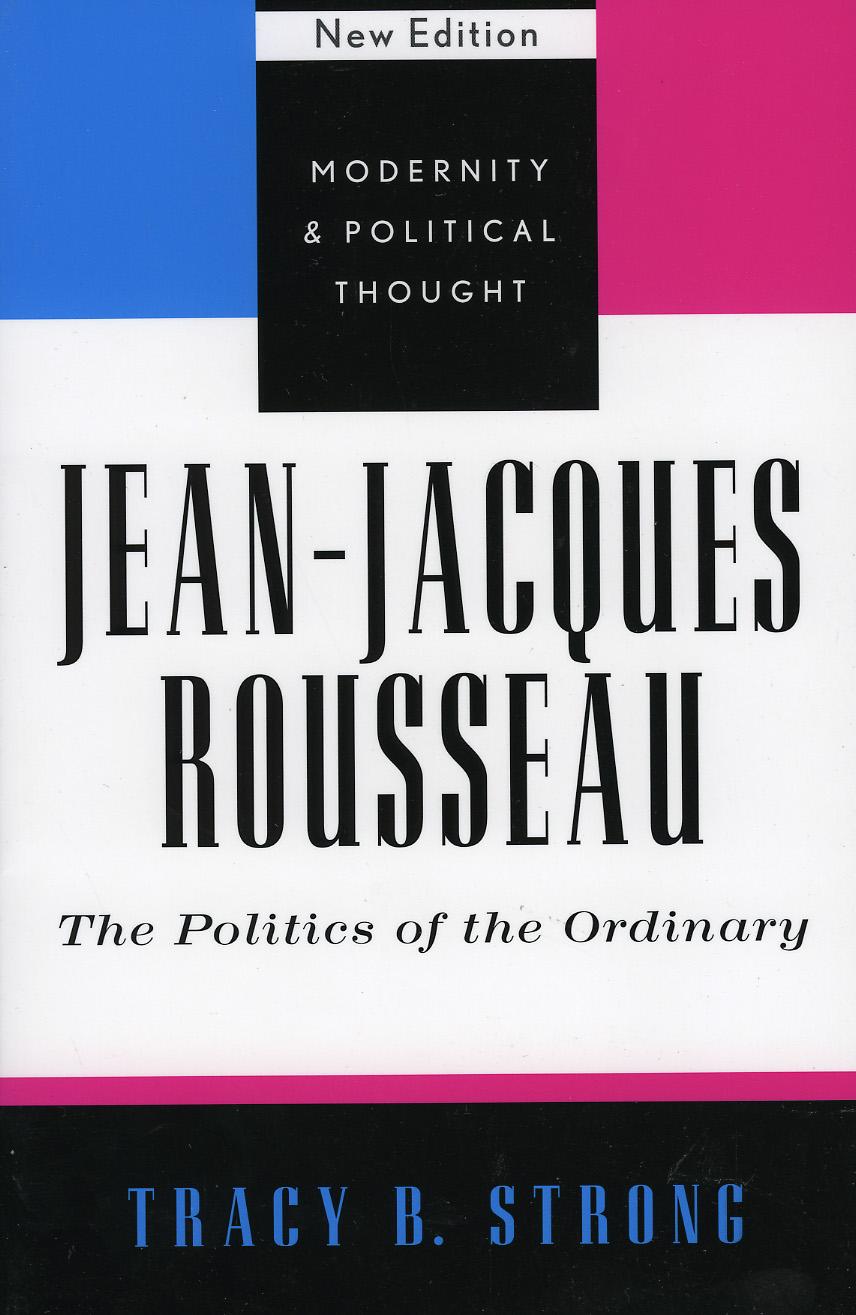
Rousseau is most often read either as a theorist of individual authenticity or as a communitarian. In this book, he is neither. Instead, Rousseau is understood as a theorist of the common person. In Strong's understanding, Rousseau's use of 'common' always refers both to that which is common and to that which is ordinary, vulgar, everyday. For Strong, Rousseau resonates with Kant, Hegel, and Marx, but he is more modern like Emerson, Nietzsche, Eittegenstein, and Heidegger. Rousseau's democratic individual is an ordinary self, paradoxically multiple and not singular. In the course of exploring this contention, Strong examines Rousseau's fear of authorship (though not of authority), his understanding of the human, his attempt to overcome the scandal that relativism posed for politics, and the political importance of sexuality.
Betal enkelt med kort, Klarna, Apple Pay eller Google Pay. Ikke fornøyd? Du har alltid 14 dagers angrerett. Les mer i våre vilkår. Har du spørsmål, send oss en e-post på hello@memmo.org.
Memmo gjør det enklere å studere – uansett hvor du er i verden. Hos oss samler du pensumbøker og smarte studieverktøy på ett og samme sted: sammendrag, quizer, podkaster og flashcards. Og så Ted, din studiekompis som svarer på alt du lurer på. Over 50 000 studenter studerer allerede her – bygget for at du skal lære raskere og stresse mindre.