
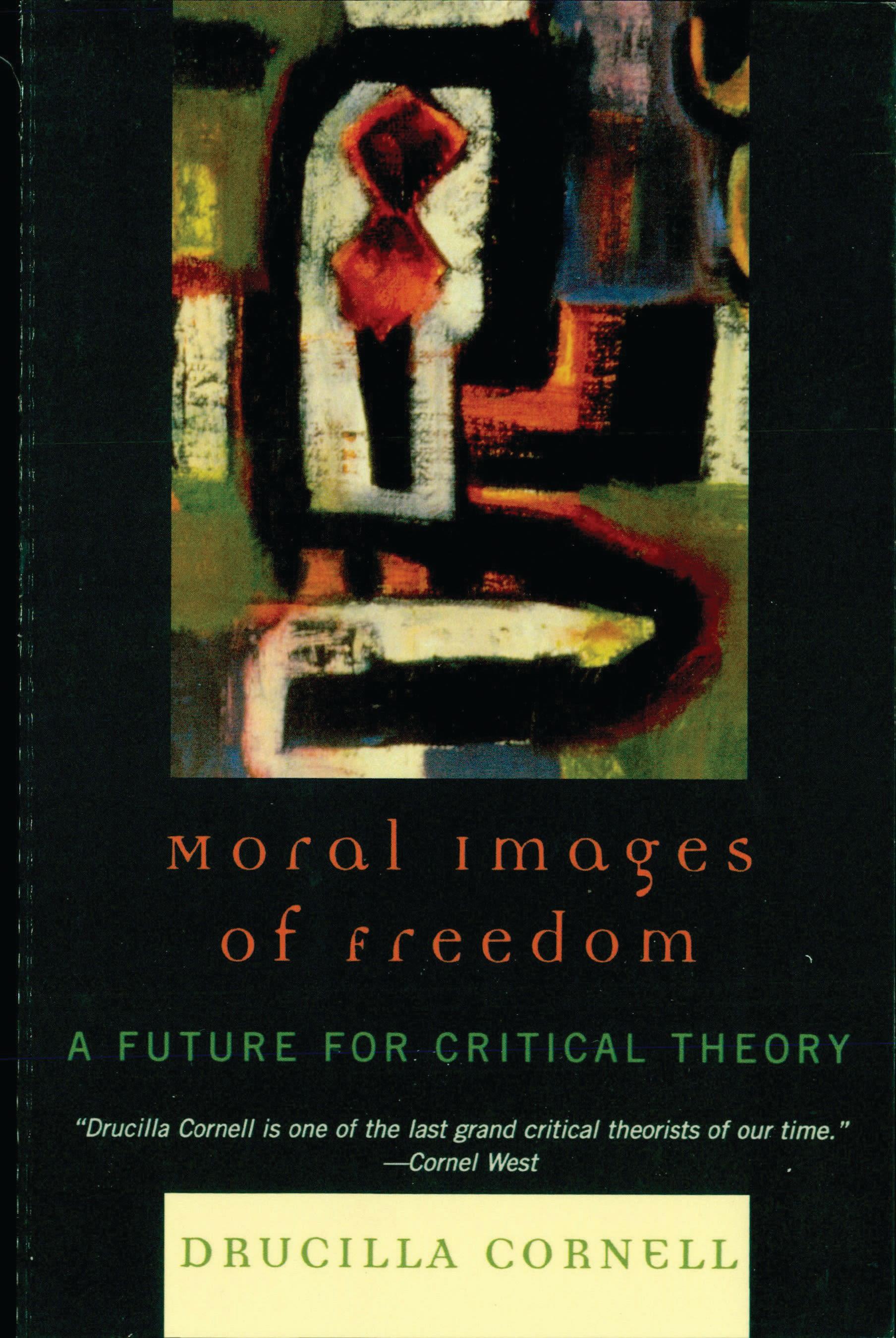
Moral Images of Freedom resurrects the Kantian project of affirmative political philosophy and traces its oft-forgotten influences found in thinkers such as Martin Heidegger, Ernst Cassirer, Frantz Fanon, and Walter Benjamin. Drucilla Cornell responds to nihilistic claims about the empty purpose of critical theory in a world so utterly captured by violence in all of its worst forms: economic, social, political, and cultural. Cornell instead draws together a sweeping thread of hope in the varied symbolic forms of freedom persistent throughout the work of a broader range of critical theorists and addresses the burning challenge for such work to respond seriously to the need for a decolonization of critical theory itself and a sustained commitment to the possible future of socialism.
Betal enkelt med kort, Klarna, Apple Pay eller Google Pay. Ikke fornøyd? Du har alltid 14 dagers angrerett. Les mer i våre vilkår. Har du spørsmål, send oss en e-post på hello@memmo.org.
Memmo gjør det enklere å studere – uansett hvor du er i verden. Hos oss samler du pensumbøker og smarte studieverktøy på ett og samme sted: sammendrag, quizer, podkaster og flashcards. Og så Ted, din studiekompis som svarer på alt du lurer på. Over 50 000 studenter studerer allerede her – bygget for at du skal lære raskere og stresse mindre.