
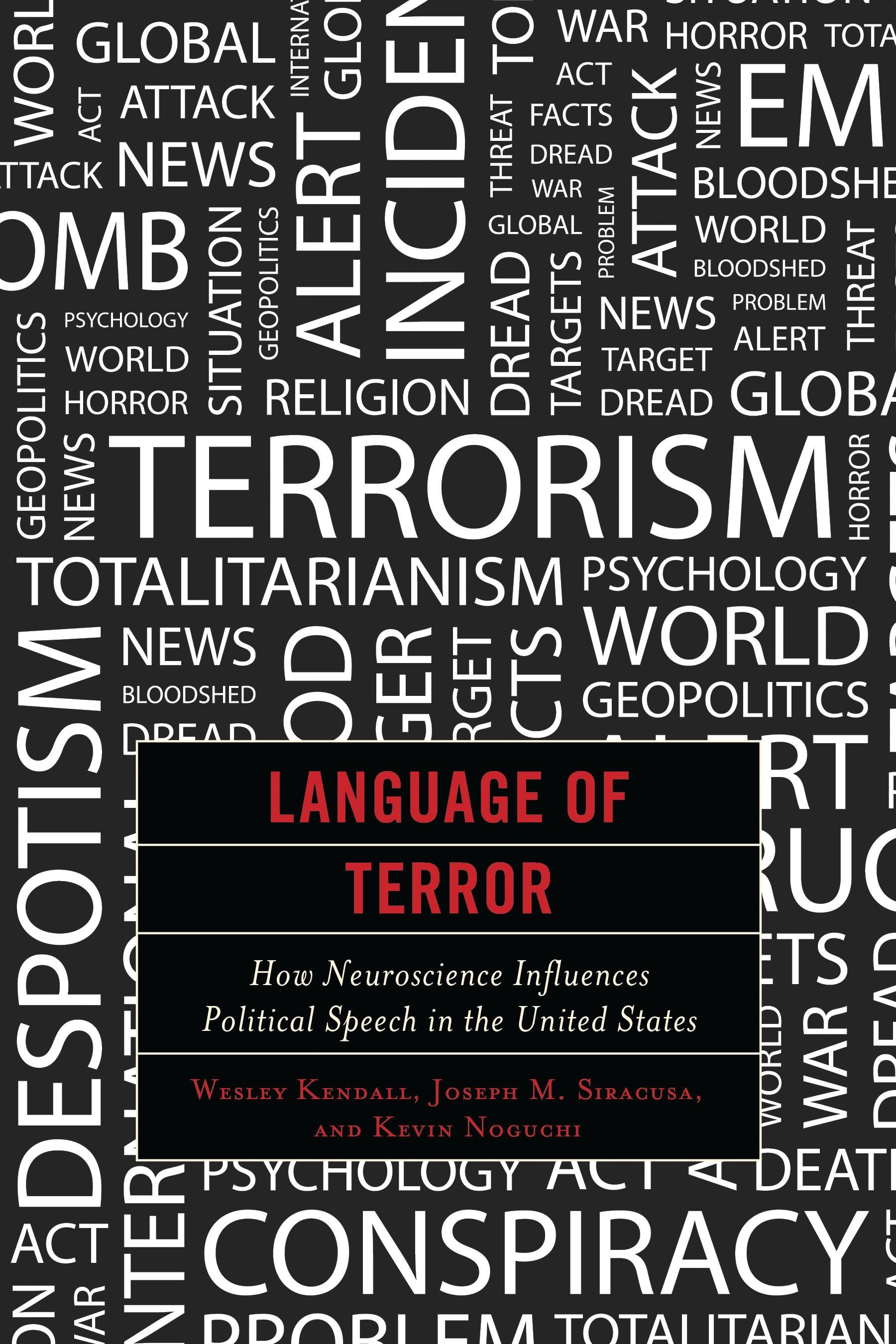
Building on the emerging field of biopolitics of security, this research monograph demonstrates that political speech can be crafted to manipulate segments of the voting population who are inherently predisposed to being receptive to certain language. The authors, who come from both political science and behavioral neuroscience, examine how the human brain reacts to expressions of political ideology regarding terrorism. They apply these reactions to specific forms of political communication, many of which are designed to elicit a desired response in creating support for a policymaker’s agenda. By comparing and contrasting a variety of case studies, they demonstrate how similar acts accompanied by starkly different political language can create cognitive dissonance in the minds of the electorate and influence policy choices.
Each chapter analyzes the content of a speech, its assimilation by different political groups, and two case studies. For example, the case of Luis Posada Carriles, a Cuban exile and former CIA agent responsible for the bombing of a Cuban airliner in 1976 is examined alongside that of Mohamed El Megrahi, the Libyan intelligence officer convicted of the bombing of Flight 103 over Lockerbie, Scotland in 1988 This unique study uses new research in neuropsychology to demonstrate how the American public’s response to various policies on terrorism is manipulated, highlighting the impact of ideological speech regarding terrorism—the “language of terror.”
Each chapter analyzes the content of a speech, its assimilation by different political groups, and two case studies. For example, the case of Luis Posada Carriles, a Cuban exile and former CIA agent responsible for the bombing of a Cuban airliner in 1976 is examined alongside that of Mohamed El Megrahi, the Libyan intelligence officer convicted of the bombing of Flight 103 over Lockerbie, Scotland in 1988 This unique study uses new research in neuropsychology to demonstrate how the American public’s response to various policies on terrorism is manipulated, highlighting the impact of ideological speech regarding terrorism—the “language of terror.”
Sider: 140
Kategori: Statsvetenskap & Politik
e-ISBN: 9781442235830
Fraktvekt: 1.2 kg
Sendes innen: 1-2 dager
Betal enkelt med kort, Klarna, Apple Pay eller Google Pay. Ikke fornøyd? Du har alltid 14 dagers angrerett. Les mer i våre vilkår. Har du spørsmål, send oss en e-post på hello@memmo.org.
Memmo gjør det enklere å studere – uansett hvor du er i verden. Hos oss samler du pensumbøker og smarte studieverktøy på ett og samme sted: sammendrag, quizer, podkaster og flashcards. Og så Ted, din studiekompis som svarer på alt du lurer på. Over 50 000 studenter studerer allerede her – bygget for at du skal lære raskere og stresse mindre.