
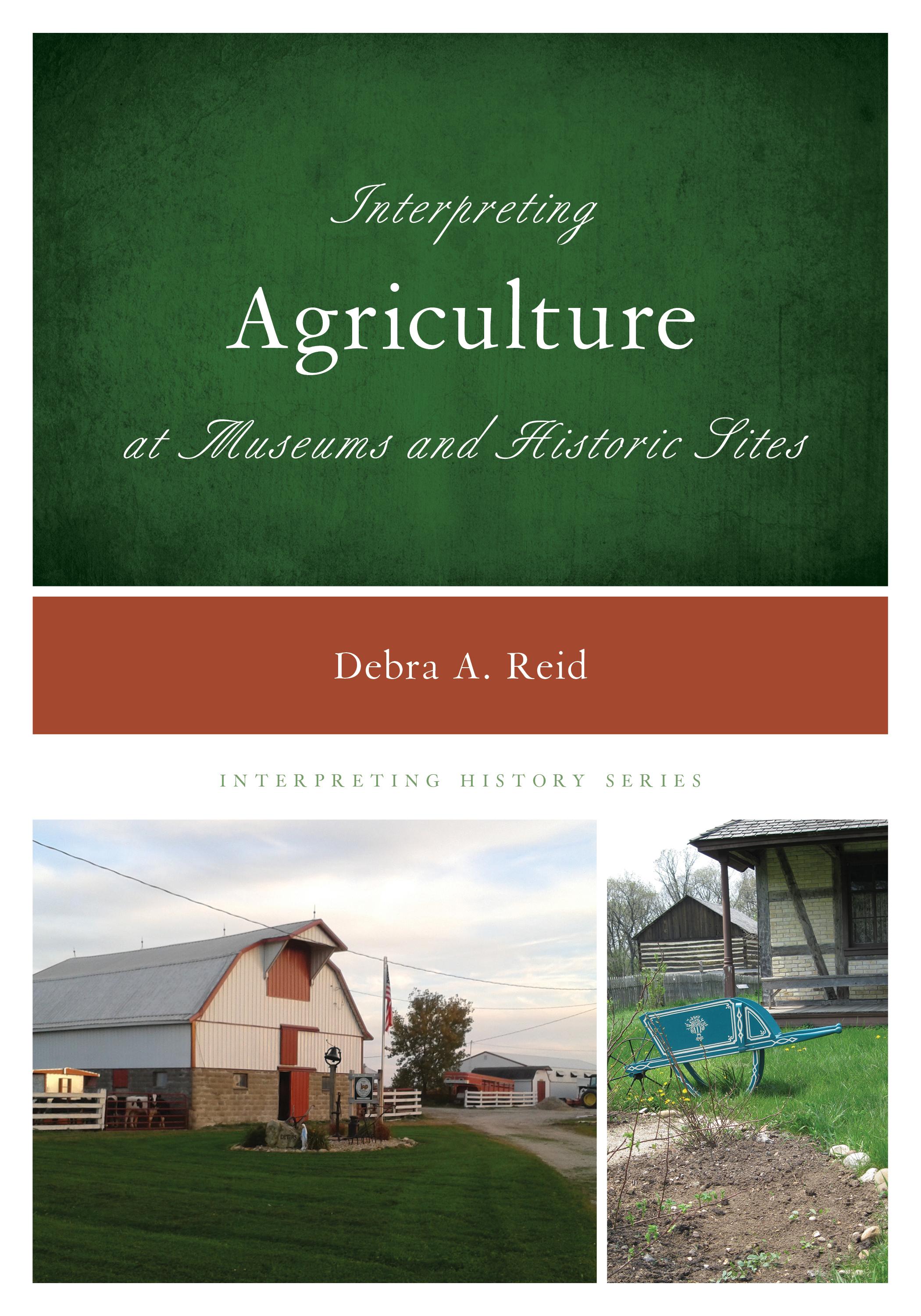
Interpreting Agriculture in Museums and Historic Sites orients readers to major themes in agriculture and techniques in education and interpretation that can help you develop humanities-based public programming that enhance agricultural literacy. Case studies illustrate the ways that local research can help you link your history organization to compelling local, national (even international) stories focused on the multidisciplinary topic. That ordinary plow, pitch fork, and butter paddle can provide the tangible evidence of the story worth telling, even if the farm land has disappeared into subdivisions and agriculture seems as remote as the nineteenth century. Other topics include discussion of alliances between rural tourism and community-supported agriculture, farmland conservation and stewardship, heritage breed and seed preservation efforts, and antique tractor clubs. Any of these can become indispensable partners to history organizations searching for a new interpretive theme to explore and new partners to engage.
Betal enkelt med kort, Klarna, Apple Pay eller Google Pay. Ikke fornøyd? Du har alltid 14 dagers angrerett. Les mer i våre vilkår. Har du spørsmål, send oss en e-post på hello@memmo.org.
Memmo gjør det enklere å studere – uansett hvor du er i verden. Hos oss samler du pensumbøker og smarte studieverktøy på ett og samme sted: sammendrag, quizer, podkaster og flashcards. Og så Ted, din studiekompis som svarer på alt du lurer på. Over 50 000 studenter studerer allerede her – bygget for at du skal lære raskere og stresse mindre.