
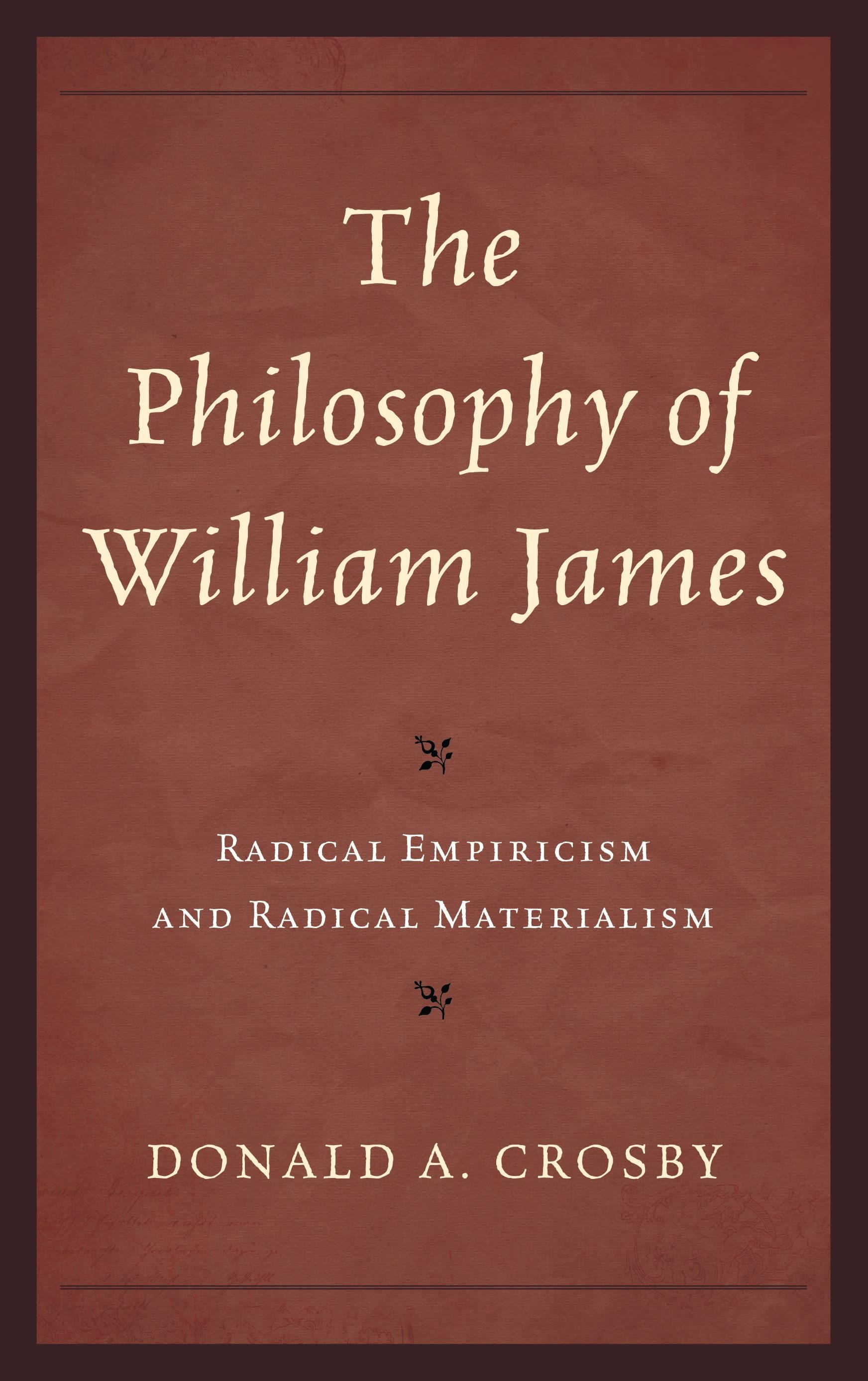
The focus in this book is on the philosophy of William James as it relates to his conceptions of “pure” and ordinary experience, the respective natures of self and world, the interrelations of experience, self, and world, the awareness of a common world by two or more selves, and the extent to which and means by which those selves can gain access to one another’s personal consciousness. The book provides explications and critical interpretations of these themes in James’s philosophy and, when appropriate, makes substantive suggestions for their clarification and improvement. It defends the thesis that these themes offer a promising basis for building a credible philosophy of mind and its relations to the world, including its relations to other minds in the world. It considers at length two recent objections to empiricism as an epistemological program and defends empiricism in general and James’s brand of empiricism in particular (what he called radical empiricism) against these objections. Finally, it argues the need for and sketches some outlines for a greatly expanded, enriched, and multi-dimensional radical materialism and shows why and how the development of such a materialistic metaphysics can be integrated with James’s philosophy of radical empiricism.
Betal enkelt med kort, Klarna, Apple Pay eller Google Pay. Ikke fornøyd? Du har alltid 14 dagers angrerett. Les mer i våre vilkår. Har du spørsmål, send oss en e-post på hello@memmo.org.
Memmo gjør det enklere å studere – uansett hvor du er i verden. Hos oss samler du pensumbøker og smarte studieverktøy på ett og samme sted: sammendrag, quizer, podkaster og flashcards. Og så Ted, din studiekompis som svarer på alt du lurer på. Over 50 000 studenter studerer allerede her – bygget for at du skal lære raskere og stresse mindre.