
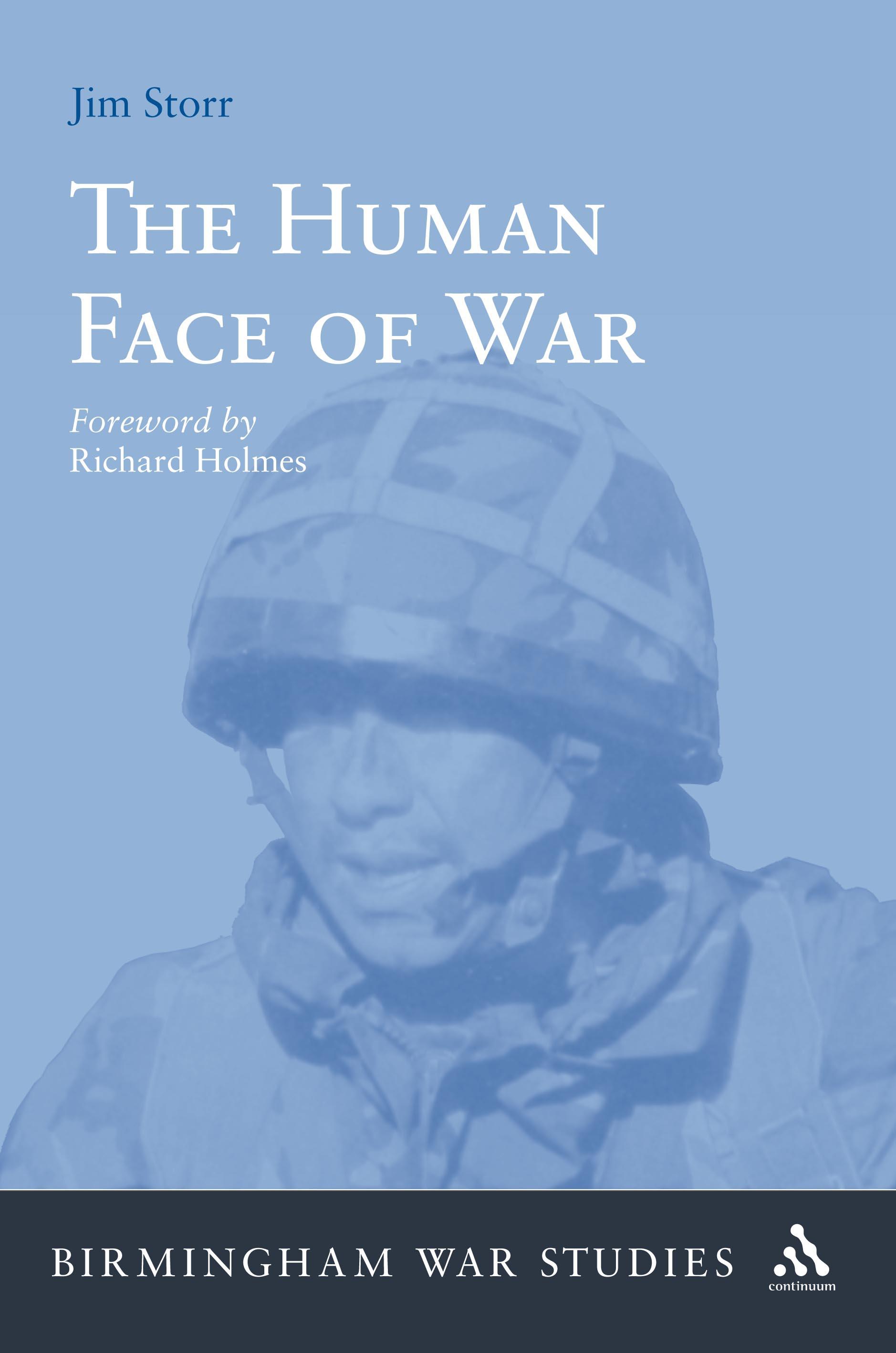
Warfare is hugely important. The fates of nations, and even continents, often rests on the outcome of war and thus on how its practitioners consider war. The Human Face of War is a new exploration of military thought. It starts with the observation that much military thought is poorly developed - often incoherent and riddled with paradox. The author contends that what is missing from British and American writing on warfare is any underpinning mental approach or philosophy. Why are some tank commanders, snipers, fighter pilots or submarine commanders far more effective than others? Why are many generals sacked at the outbreak of war? The Human Face of War examines such phenomena and seeks to explain them.
The author argues that military thought should be based on an approach which reflects the nature of combat. Combat - fighting - is primarily a human phenomenon dominated by human behaviour. The book explores some of those human issues and their practical consequences. The Human Face of War calls for, and suggests, a new way of considering war and warfare.
The author argues that military thought should be based on an approach which reflects the nature of combat. Combat - fighting - is primarily a human phenomenon dominated by human behaviour. The book explores some of those human issues and their practical consequences. The Human Face of War calls for, and suggests, a new way of considering war and warfare.
Betal enkelt med kort, Klarna, Apple Pay eller Google Pay. Ikke fornøyd? Du har alltid 14 dagers angrerett. Les mer i våre vilkår. Har du spørsmål, send oss en e-post på hello@memmo.org.
Memmo gjør det enklere å studere – uansett hvor du er i verden. Hos oss samler du pensumbøker og smarte studieverktøy på ett og samme sted: sammendrag, quizer, podkaster og flashcards. Og så Ted, din studiekompis som svarer på alt du lurer på. Over 50 000 studenter studerer allerede her – bygget for at du skal lære raskere og stresse mindre.