
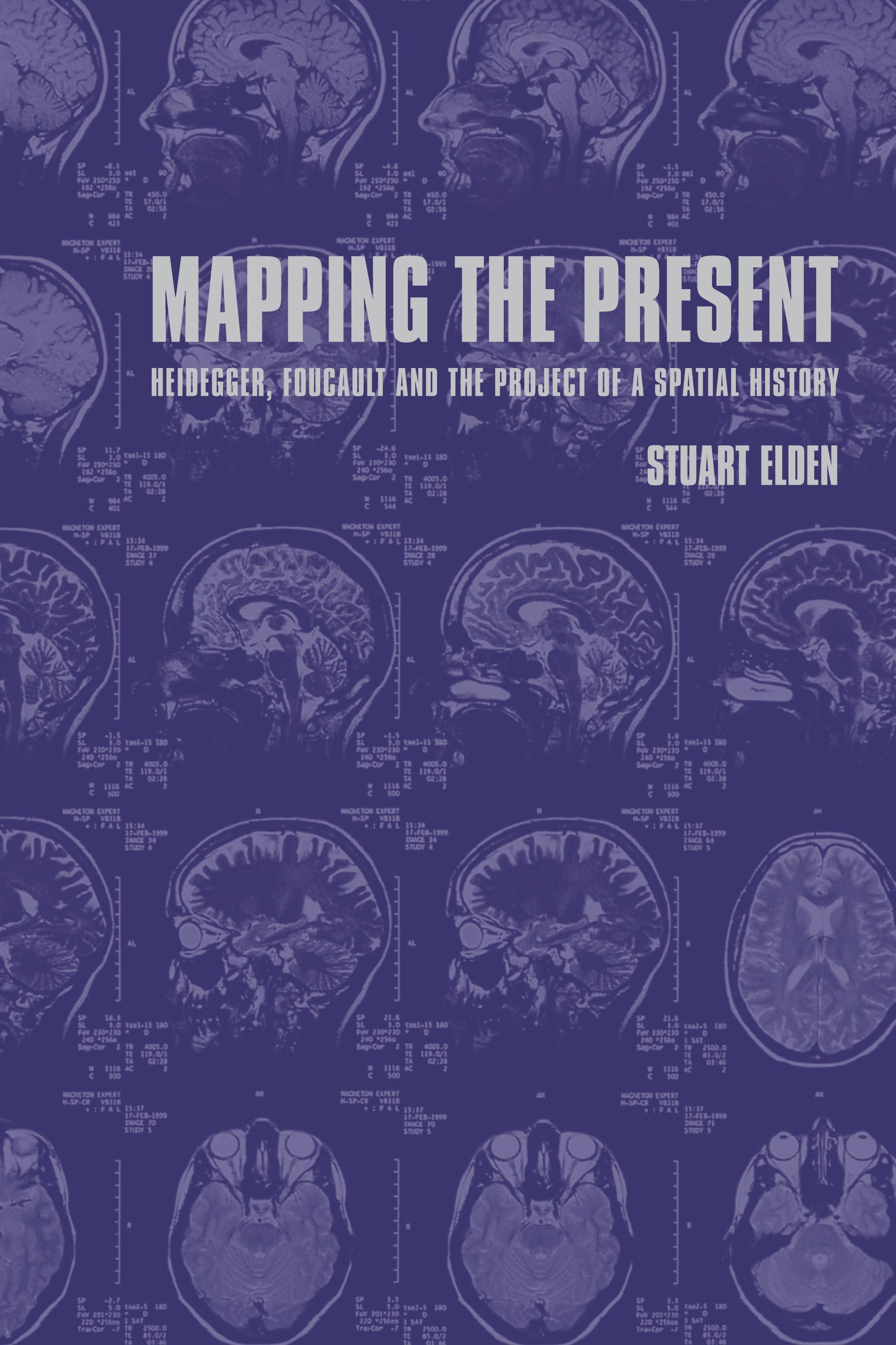
In a late interview, Foucault, suggested that Heidegger was for him the "essential philosopher." Taking this claim seriously, Mapping the Present assesses the relationship between these two thinkers, particularly on the issue of space and history. It suggests that space and history need to be rethought, and combined as a spatial history, rather than as a history of space. In other words, space should become not merely an object of analysis, but a tool of analysis.The first half of the book concentrates on Heidegger: from the early occlusion of space, through the politically charged readings of Nietzsche and Holderlin, to the later work on art, technology and the polis which accord equal status to issues of spatiality. Foucault's work is then rethought in the light of the analysis of Heidegger, and the project of a spatial history established through re-readings of his works on madness and discipline..
Betal enkelt med kort, Klarna, Apple Pay eller Google Pay. Ikke fornøyd? Du har alltid 14 dagers angrerett. Les mer i våre vilkår. Har du spørsmål, send oss en e-post på hello@memmo.org.
Memmo gjør det enklere å studere – uansett hvor du er i verden. Hos oss samler du pensumbøker og smarte studieverktøy på ett og samme sted: sammendrag, quizer, podkaster og flashcards. Og så Ted, din studiekompis som svarer på alt du lurer på. Over 50 000 studenter studerer allerede her – bygget for at du skal lære raskere og stresse mindre.