
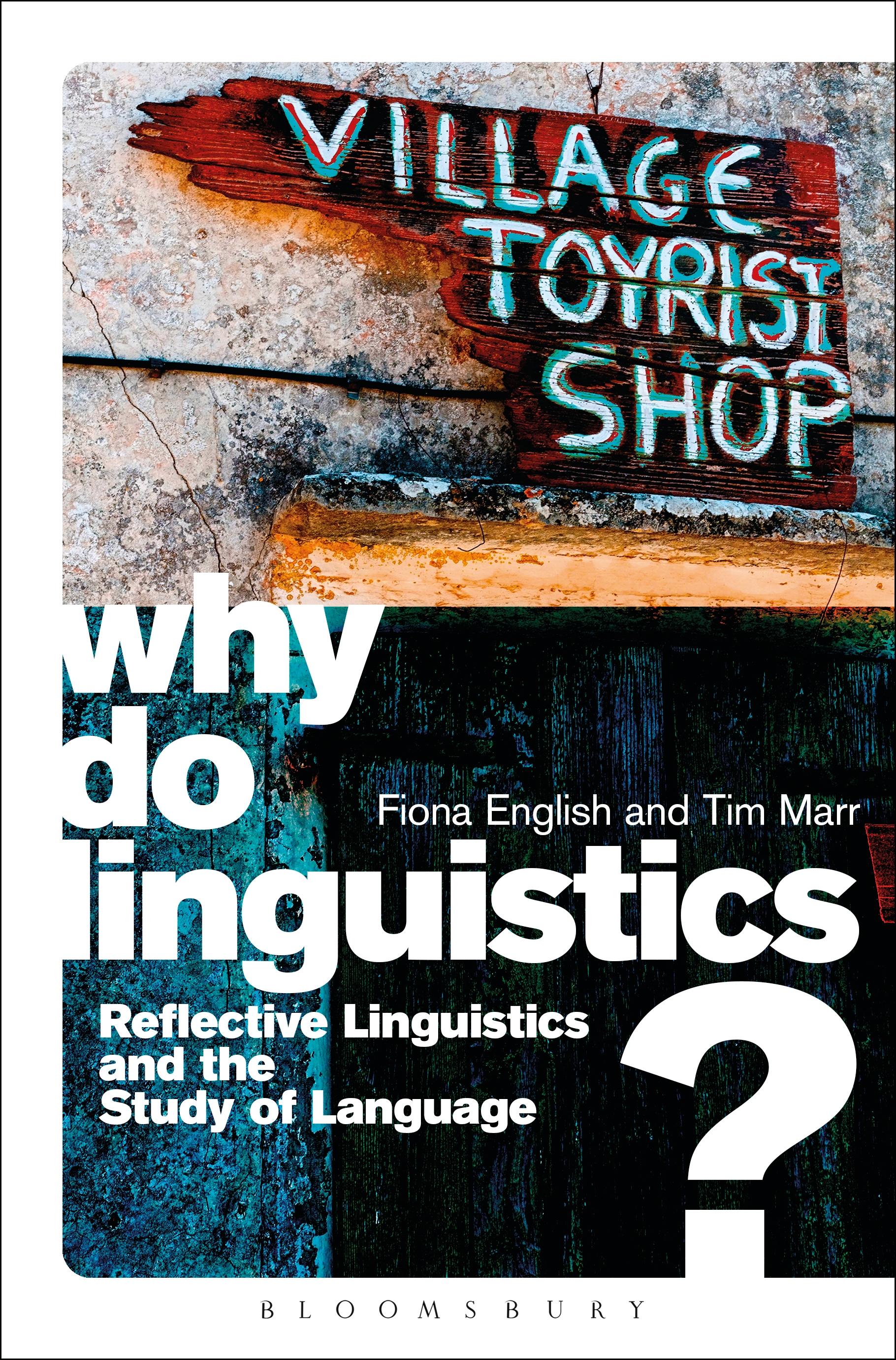
What do we need to know about language and why do we need to know it? This book shows how viewing the world through a linguistics lens can help us to understand how we communicate with each other and why we do it in the ways we do. Above all this book is about noticing. It is about encouraging readers to pay attention to the language that surrounds them.
The book addresses fundamental linguistic questions such as: Where do people's beliefs about language come from? Who decides what language we should speak? How do we choose the best way to express what we mean? It introduces a set of practical tools for language analysis and, using examples of authentic communicative activity including overheard conversations, Facebook posts and public announcements, shows how this kind of analysis works and what it can tell us about social interaction.
Exploring language and language use from a social, intercultural and multilingual perspective, the authors demonstrate the relevance of linguistics in understanding day-to-day interaction. This book will help readers not only to become informed, active observers of language for its own sake, but also to be able to take on and challenge some of the misconceptions, assumptions and prejudices that so often underlie public discussion of language issues.
The book addresses fundamental linguistic questions such as: Where do people's beliefs about language come from? Who decides what language we should speak? How do we choose the best way to express what we mean? It introduces a set of practical tools for language analysis and, using examples of authentic communicative activity including overheard conversations, Facebook posts and public announcements, shows how this kind of analysis works and what it can tell us about social interaction.
Exploring language and language use from a social, intercultural and multilingual perspective, the authors demonstrate the relevance of linguistics in understanding day-to-day interaction. This book will help readers not only to become informed, active observers of language for its own sake, but also to be able to take on and challenge some of the misconceptions, assumptions and prejudices that so often underlie public discussion of language issues.
Betal enkelt med kort, Klarna, Apple Pay eller Google Pay. Ikke fornøyd? Du har alltid 14 dagers angrerett. Les mer i våre vilkår. Har du spørsmål, send oss en e-post på hello@memmo.org.
Memmo gjør det enklere å studere – uansett hvor du er i verden. Hos oss samler du pensumbøker og smarte studieverktøy på ett og samme sted: sammendrag, quizer, podkaster og flashcards. Og så Ted, din studiekompis som svarer på alt du lurer på. Over 50 000 studenter studerer allerede her – bygget for at du skal lære raskere og stresse mindre.