
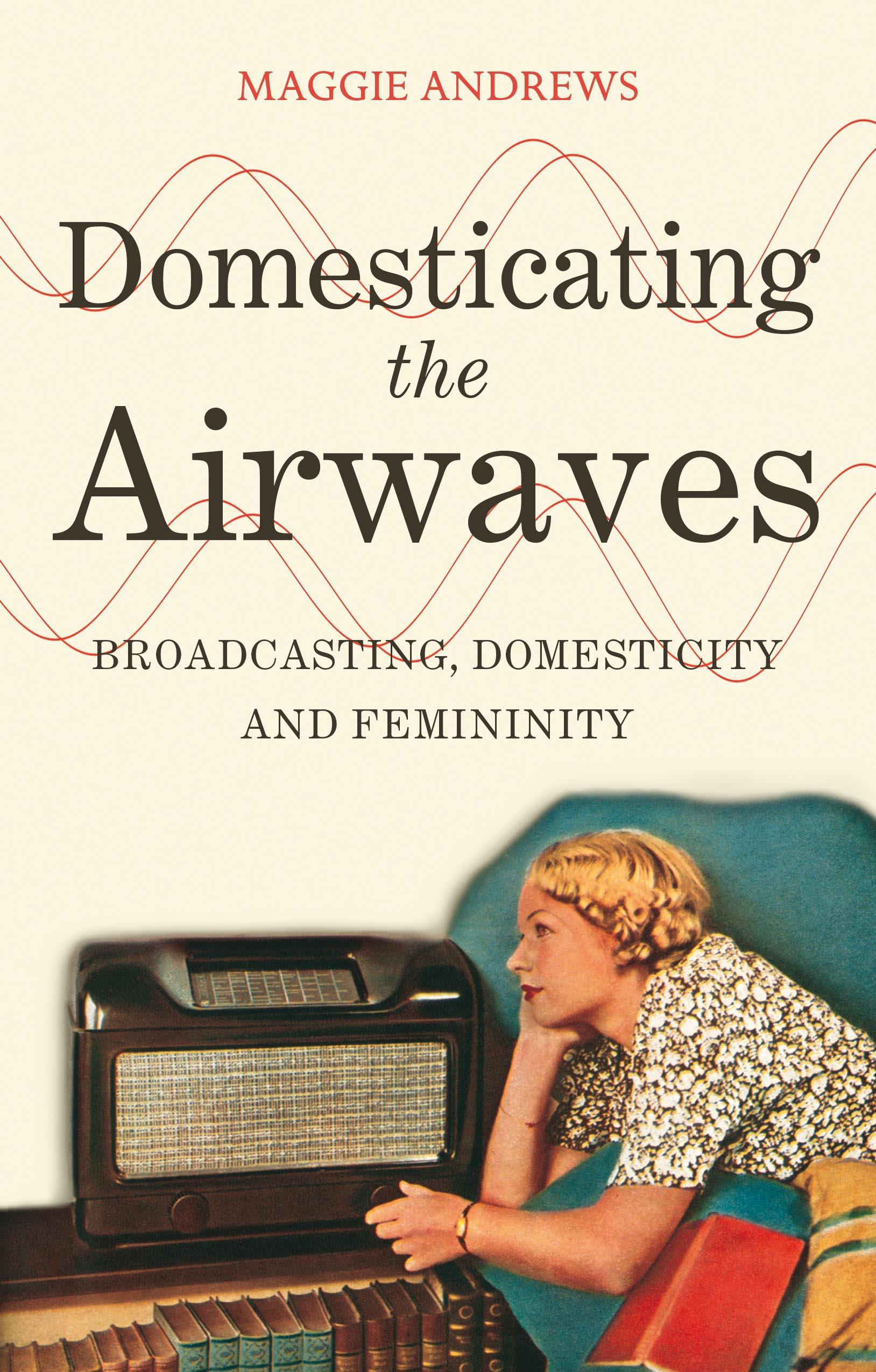
Using case studies and analytical overviews this book explores the relationship between broadcasting and the intimate domestic sphere into which it is broadcast. It focuses on the period from the 1920s, when broadcasting was established in the UK, to the present day when both domesticity and broadcasting have become areas of anxiety and contestation. The entry of the 'wireless', and later television, into the home changed men and women's experience of domesticity, offering education and reducing isolation. But broadcasting did not merely change domestic leisure patterns, it actively intervened in constructing domesticity. The supposedly natural relationship between femininity and domesticity has structured the nature of broadcasting, and also the discourses which have emerged concerning the consumption of broadcast media. Contemporary broadcasting continues to be obsessed by domesticity, both in an idealised sense as well as portraying the domestic world as one of turmoil and crisis. This volume demonstrates that the relationship between broadcasting and domesticity is a key, and often neglected, feature of the cultural history of Britain in the last 100 years.
Betal enkelt med kort, Klarna, Apple Pay eller Google Pay. Ikke fornøyd? Du har alltid 14 dagers angrerett. Les mer i våre vilkår. Har du spørsmål, send oss en e-post på hello@memmo.org.
Memmo gjør det enklere å studere – uansett hvor du er i verden. Hos oss samler du pensumbøker og smarte studieverktøy på ett og samme sted: sammendrag, quizer, podkaster og flashcards. Og så Ted, din studiekompis som svarer på alt du lurer på. Over 50 000 studenter studerer allerede her – bygget for at du skal lære raskere og stresse mindre.