
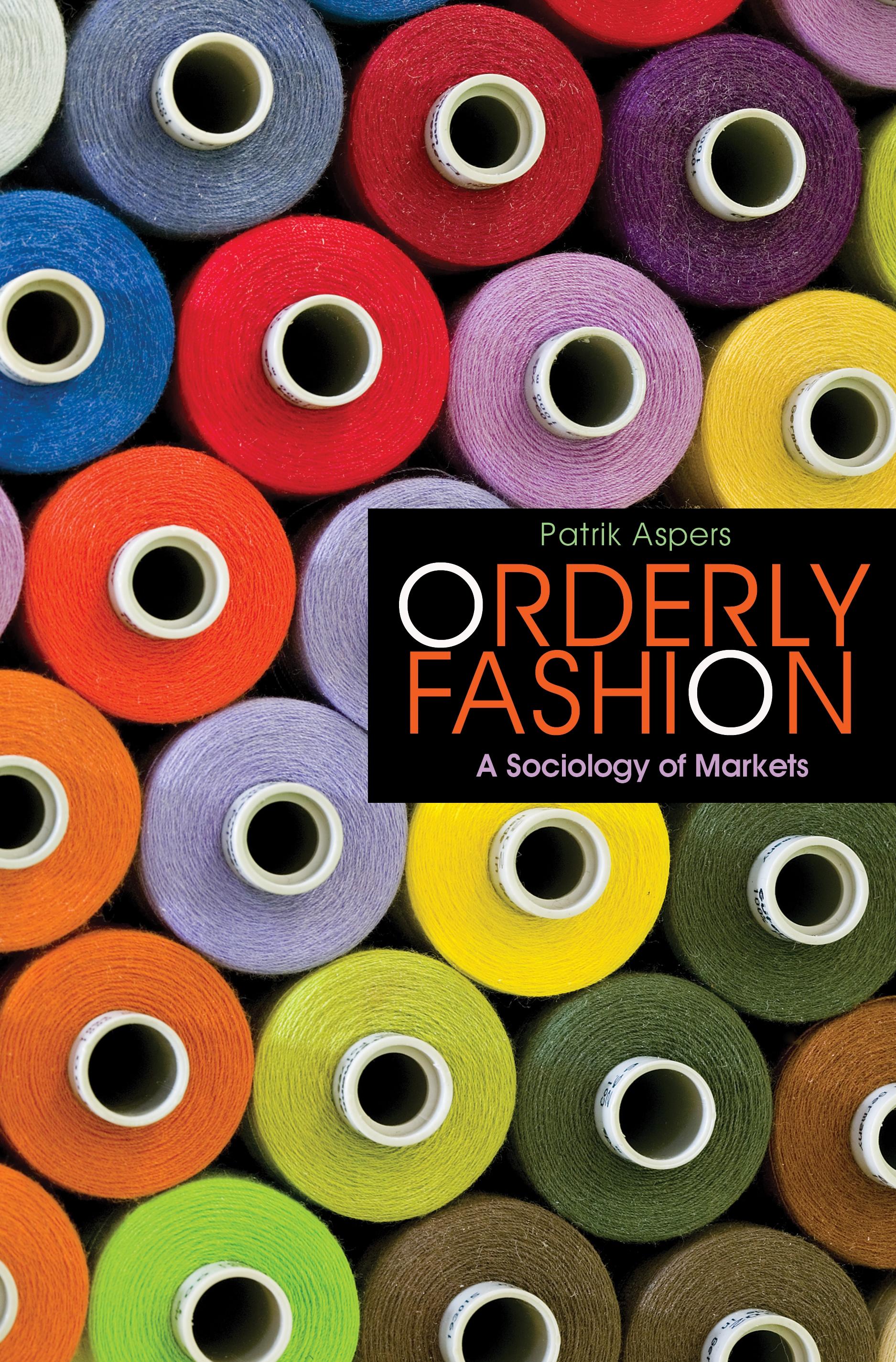
For any market to work properly, certain key elements are necessary: competition, pricing, rules, clearly defined offers, and easy access to information. Without these components, there would be chaos. Orderly Fashion examines how order is maintained in the different interconnected consumer, producer, and credit markets of the global fashion industry. From retailers in Sweden and the United Kingdom to producers in India and Turkey, Patrik Aspers focuses on branded garment retailers--chains such as Gap, H&M, Old Navy, Topshop, and Zara. Aspers investigates these retailers' interactions and competition in the consumer market for fashion garments, traces connections between producer and consumer markets, and demonstrates why market order is best understood through an analysis of its different forms of social construction.
Emphasizing consumption rather than production, Aspers considers the larger retailers' roles as buyers in the production market of garments, and as potential objects of investment in financial markets. He shows how markets overlap and intertwine and he defines two types of markets--status markets and standard markets. In status markets, market order is related to the identities of the participating actors more than the quality of the goods, whereas in standard markets the opposite holds true.
Looking at how identities, products, and values create the ordered economic markets of the global fashion business, Orderly Fashion has wide implications for all modern markets, regardless of industry.
Betal enkelt med kort, Klarna, Apple Pay eller Google Pay. Ikke fornøyd? Du har alltid 14 dagers angrerett. Les mer i våre vilkår. Har du spørsmål, send oss en e-post på hello@memmo.org.
Memmo gjør det enklere å studere – uansett hvor du er i verden. Hos oss samler du pensumbøker og smarte studieverktøy på ett og samme sted: sammendrag, quizer, podkaster og flashcards. Og så Ted, din studiekompis som svarer på alt du lurer på. Over 50 000 studenter studerer allerede her – bygget for at du skal lære raskere og stresse mindre.