
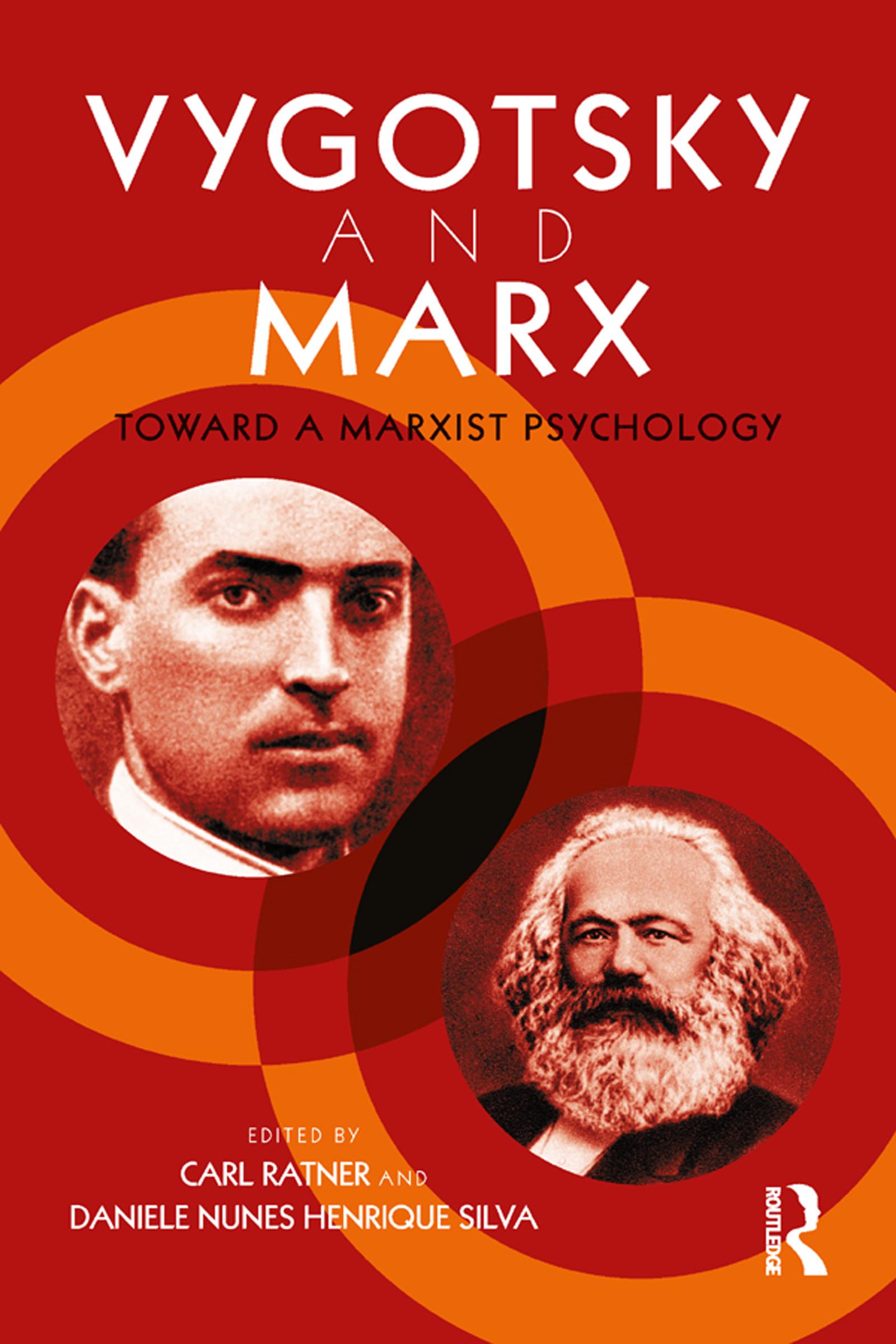
This important book fills two interrelated gaps in the field of psychology, first by developing a Marxist orientation to psychology and second by explaining how psychological pioneer Lev Vygotsky contributed greatly to this trend. Through outlining core principles in Marxist psychology, the book offers a framework for continuing Vygotsky’s Marxist legacy in new areas of the field.
This book first documents the neglect in Vygotskyian studies of his deep use of Marxist concepts, and then subsequent chapters overcome this neglect. They explain the use of many Marxist concepts in his theoretical and methodological writings, demonstrating how Vygotsky utilized specific Marxist meanings in his work on consciousness, signs, development, imagination, creativity, secondary language acquisition, and unit of analysis. Chapters also address how Vygotsky dealt with incompatible theories and methodologies, illustrating how Marxist and Vygotskyian psychology can grow from anti-Marxist, anti-Vygotskyian approaches to psychology, such as psychoanalysis.
This book marks an original contribution to the field of psychology, offering a new understanding of both Vygotsky’s work and cultural and Marxist psychology. Furthermore, it expands the field of Marxism to include psychology. It will be of interest to all students and researchers of cultural, educational, and developmental psychology as well as the history of psychology. It will also appeal to social theorists and Marxist scholars.
Betal enkelt med kort, Klarna, Apple Pay eller Google Pay. Ikke fornøyd? Du har alltid 14 dagers angrerett. Les mer i våre vilkår. Har du spørsmål, send oss en e-post på hello@memmo.org.
Memmo gjør det enklere å studere – uansett hvor du er i verden. Hos oss samler du pensumbøker og smarte studieverktøy på ett og samme sted: sammendrag, quizer, podkaster og flashcards. Og så Ted, din studiekompis som svarer på alt du lurer på. Over 50 000 studenter studerer allerede her – bygget for at du skal lære raskere og stresse mindre.