
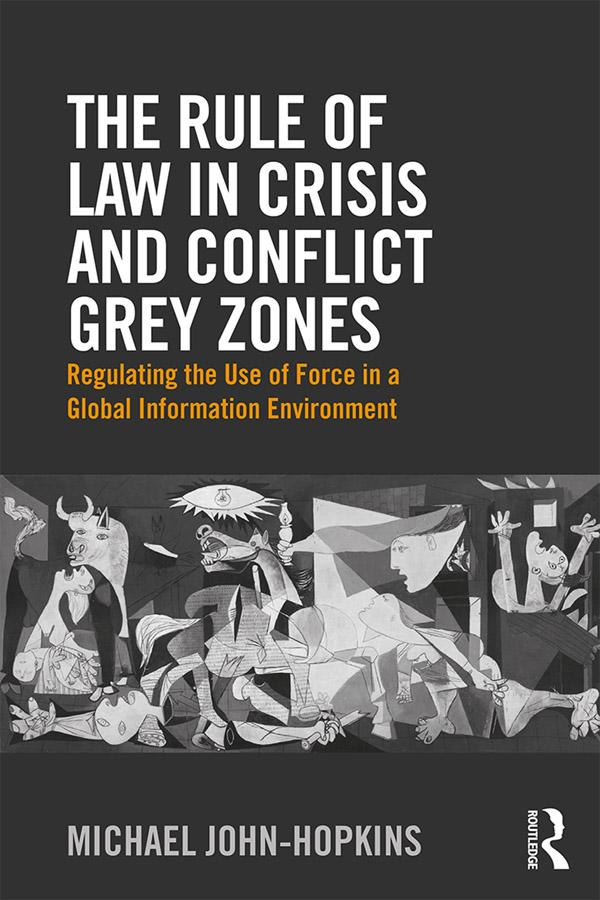
This book responds to ongoing calls for clarification and consensus regarding the meaning, scope and interplay of humanitarian law and human rights law in the ‘grey zones’ of unconventional operational environments such as counterterrorism and counterinsurgency operations. It contributes to the debate in this area by developing objective criteria for determining where the shift from the legal framework of law enforcement to that of non-international armed conflict occurs in relation to targeting law and weaponry law; by developing improved objective criteria for determining what constitutes direct participation in hostilities and de facto membership in an organised armed group; by taking stock of how existing targeting and weaponry rules are being applied to unconventional conflicts within civilian populated areas by key state players as well as by international and regional human rights mechanisms; by arguing for the progressive realisation of targeting and weaponry law so that they are more fitting for operational environments that are increasingly urbanised and civilianised; by seeking to understand how global networked connectivity may affect our understanding of the operational theatre of war and the geographical reach of the legal framework of non-international armed conflict.
Betal enkelt med kort, Klarna, Apple Pay eller Google Pay. Ikke fornøyd? Du har alltid 14 dagers angrerett. Les mer i våre vilkår. Har du spørsmål, send oss en e-post på hello@memmo.org.
Memmo gjør det enklere å studere – uansett hvor du er i verden. Hos oss samler du pensumbøker og smarte studieverktøy på ett og samme sted: sammendrag, quizer, podkaster og flashcards. Og så Ted, din studiekompis som svarer på alt du lurer på. Over 50 000 studenter studerer allerede her – bygget for at du skal lære raskere og stresse mindre.