
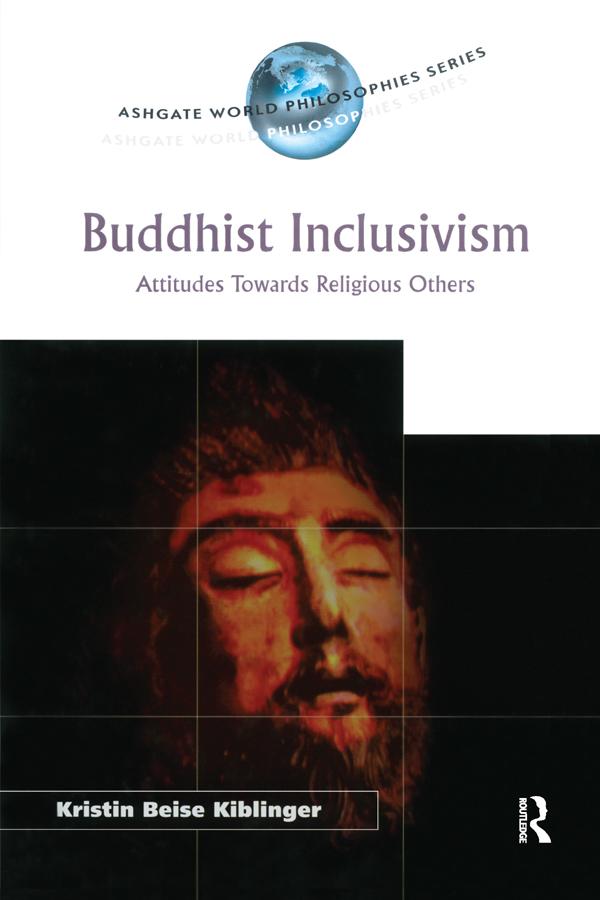
Although Christians have well-developed responses to other religions, the counterpart scholarship from Buddhists has thus far lagged behind. Breaking new ground, Buddhist Inclusivism analyzes the currently favored position towards religious others, inclusivism, in Buddhist traditions. Kristin Beise Kiblinger presents examples of inclusivism from a wide range of Buddhist contexts and periods, from Pali texts to the Dalai Lama's recent works. After constructing and defending a preferred, alternative form of Buddhist inclusivism, she evaluates the thought of particular contemporary Buddhists such as Thich Nhat Hanh and Masao Abe in light of her ideal position. This book offers a more systematic treatment of Buddhist inclusivism than has yet been provided either by scholars or by Buddhist leaders.
Betal enkelt med kort, Klarna, Apple Pay eller Google Pay. Ikke fornøyd? Du har alltid 14 dagers angrerett. Les mer i våre vilkår. Har du spørsmål, send oss en e-post på hello@memmo.org.
Memmo gjør det enklere å studere – uansett hvor du er i verden. Hos oss samler du pensumbøker og smarte studieverktøy på ett og samme sted: sammendrag, quizer, podkaster og flashcards. Og så Ted, din studiekompis som svarer på alt du lurer på. Over 50 000 studenter studerer allerede her – bygget for at du skal lære raskere og stresse mindre.
Du vil kanskje også like
Kjøp boken0