
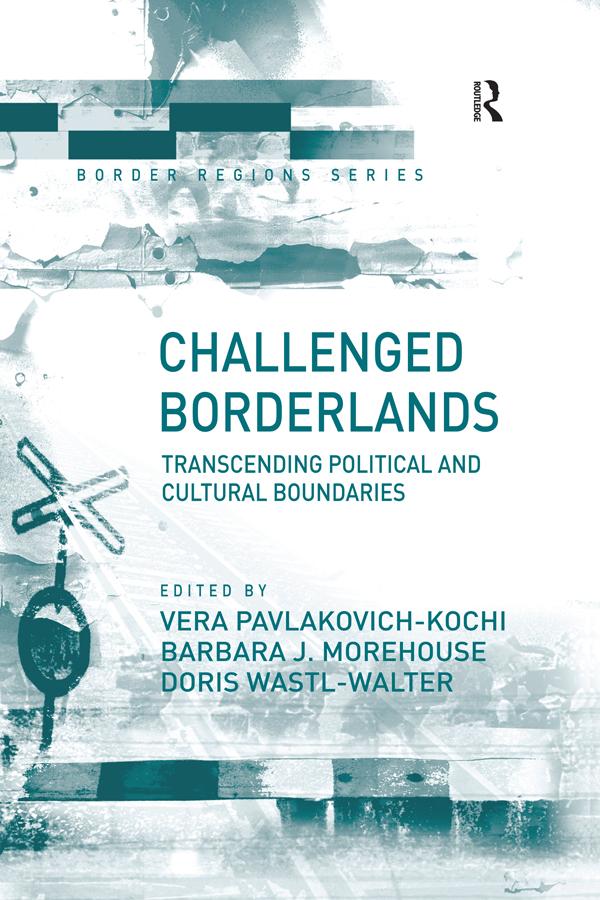
In the early 1990s, borders within Europe and between the United States and Mexico began to open. The increasing flow of goods, capital, ideas and people across boundaries promised to reduce physical and cognitive distances. Simultaneously, challenges to identity have arisen within and between the European nation-states, driven not only by internal cultural and political dynamics, but also by processes of globalization. Concurrently, the US-Mexican border emerged in public consciousness as a location of new opportunities, largely due to public perception of the benefits of the North American Free Trade Agreement (NAFTA). This book explores some of the contradictory, yet simultaneous, processes affecting border regions. A team of leading scientists offers a wide range of perspectives on global, national, regional and local processes, and provides a useful matrix for understanding their complex, multilayered implications. Key concepts such as globalization, borders and identities are illustrated through local and regional case studies.
Betal enkelt med kort, Klarna, Apple Pay eller Google Pay. Ikke fornøyd? Du har alltid 14 dagers angrerett. Les mer i våre vilkår. Har du spørsmål, send oss en e-post på hello@memmo.org.
Memmo gjør det enklere å studere – uansett hvor du er i verden. Hos oss samler du pensumbøker og smarte studieverktøy på ett og samme sted: sammendrag, quizer, podkaster og flashcards. Og så Ted, din studiekompis som svarer på alt du lurer på. Over 50 000 studenter studerer allerede her – bygget for at du skal lære raskere og stresse mindre.
Du vil kanskje også like
Kjøp boken0