
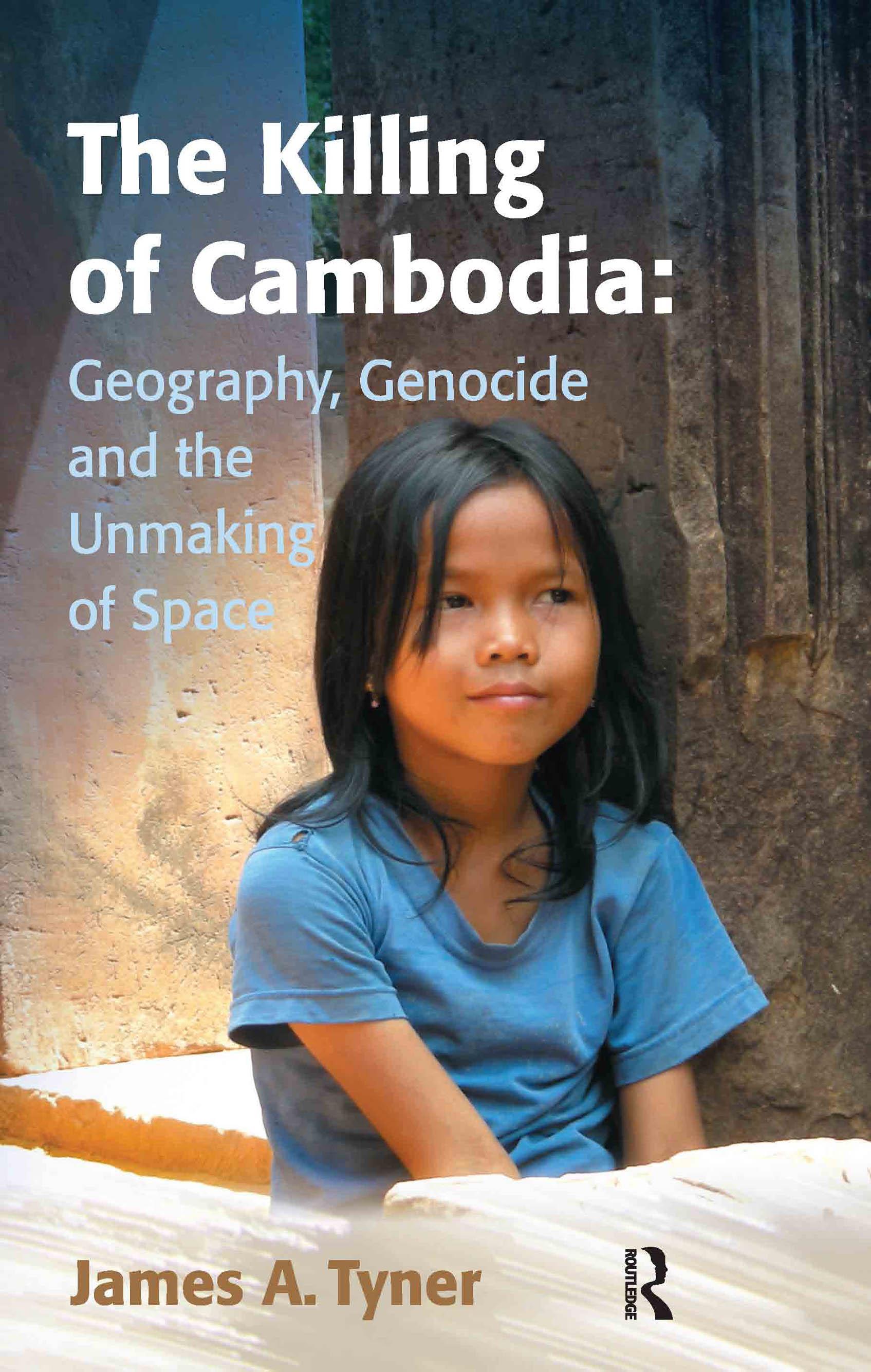
Between 1975 and 1978, the Khmer Rouge carried out genocide in Cambodia unparalleled in modern history. Approximately 2 million died - almost one quarter of the population. Taking an explicitly geographical approach, this book argues whether the Khmer Rouge's activities not only led to genocide, but also terracide - the erasure of space. In the Cambodia of 1975, the landscape would reveal vestiges of an indigenous pre-colonial Khmer society, a French colonialism and American intervention. The Khmer Rouge, however, were not content with retaining the past inscriptions of previous modes of production and spatial practices. Instead, they attempted to erase time and space to create their own utopian vision of a communal society. The Khmer Rouge's erasing and reshaping of space was thus part of a consistent sacrifice of Cambodia and its people - a brutal justification for the killing of a country and the birth of a new place, Democratic Kampuchea. While focusing on Cambodia, the book provides a clearer geographic understanding to genocide in general and insights into the importance of spatial factors in geopolitical conflict.
Betal enkelt med kort, Klarna, Apple Pay eller Google Pay. Ikke fornøyd? Du har alltid 14 dagers angrerett. Les mer i våre vilkår. Har du spørsmål, send oss en e-post på hello@memmo.org.
Memmo gjør det enklere å studere – uansett hvor du er i verden. Hos oss samler du pensumbøker og smarte studieverktøy på ett og samme sted: sammendrag, quizer, podkaster og flashcards. Og så Ted, din studiekompis som svarer på alt du lurer på. Over 50 000 studenter studerer allerede her – bygget for at du skal lære raskere og stresse mindre.
Du vil kanskje også like
Kjøp boken0