
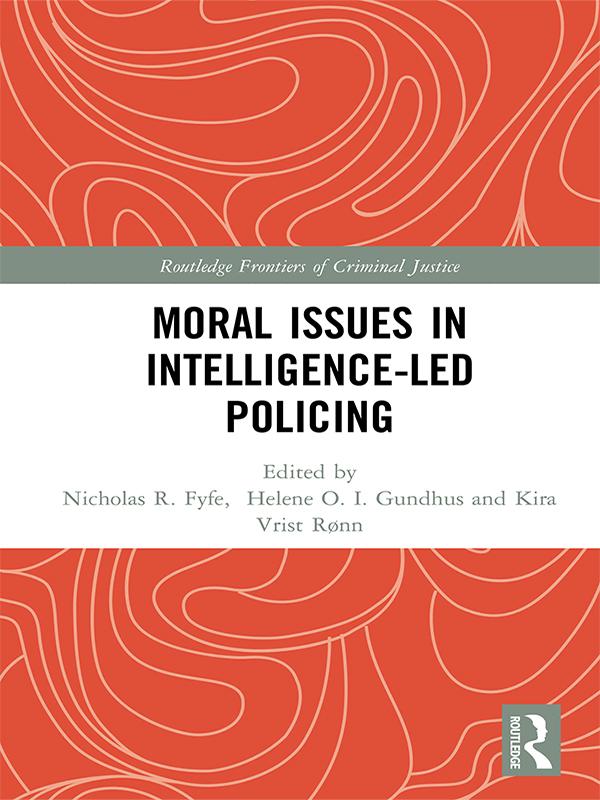
The core baseline of Intelligence-led Policing is the aim of increasing efficiency and quality of police work, with a focus on crime analysis and intelligence methods as tools for informed and objective decisions both when conducting targeted, specialized operations and when setting strategic priorities. This book critically addresses the proliferation of intelligence logics within policing from a wide array of scholarly perspectives. It considers questions such as:
- How are precautionary logics becoming increasingly central in the dominant policing strategies?
- What kind of challenges will this move entail?
- What does the criminalization of preparatory acts mean for previous distinctions between crime prevention and crime detection?
- What are the predominant rationales behind the proactive use of covert cohesive measures in order to prevent attacks on national security?
- How are new technological measures, increased private partnerships and international cooperation challenging the core nature of police services as the main providers of public safety and security?
This book offers new insights by exploring dilemmas, legal issues and questions raised by the use of new policing methods and the blurred and confrontational lines that can be observed between prevention, intelligence and investigation in police work.
Betal enkelt med kort, Klarna, Apple Pay eller Google Pay. Ikke fornøyd? Du har alltid 14 dagers angrerett. Les mer i våre vilkår. Har du spørsmål, send oss en e-post på hello@memmo.org.
Memmo gjør det enklere å studere – uansett hvor du er i verden. Hos oss samler du pensumbøker og smarte studieverktøy på ett og samme sted: sammendrag, quizer, podkaster og flashcards. Og så Ted, din studiekompis som svarer på alt du lurer på. Over 50 000 studenter studerer allerede her – bygget for at du skal lære raskere og stresse mindre.