
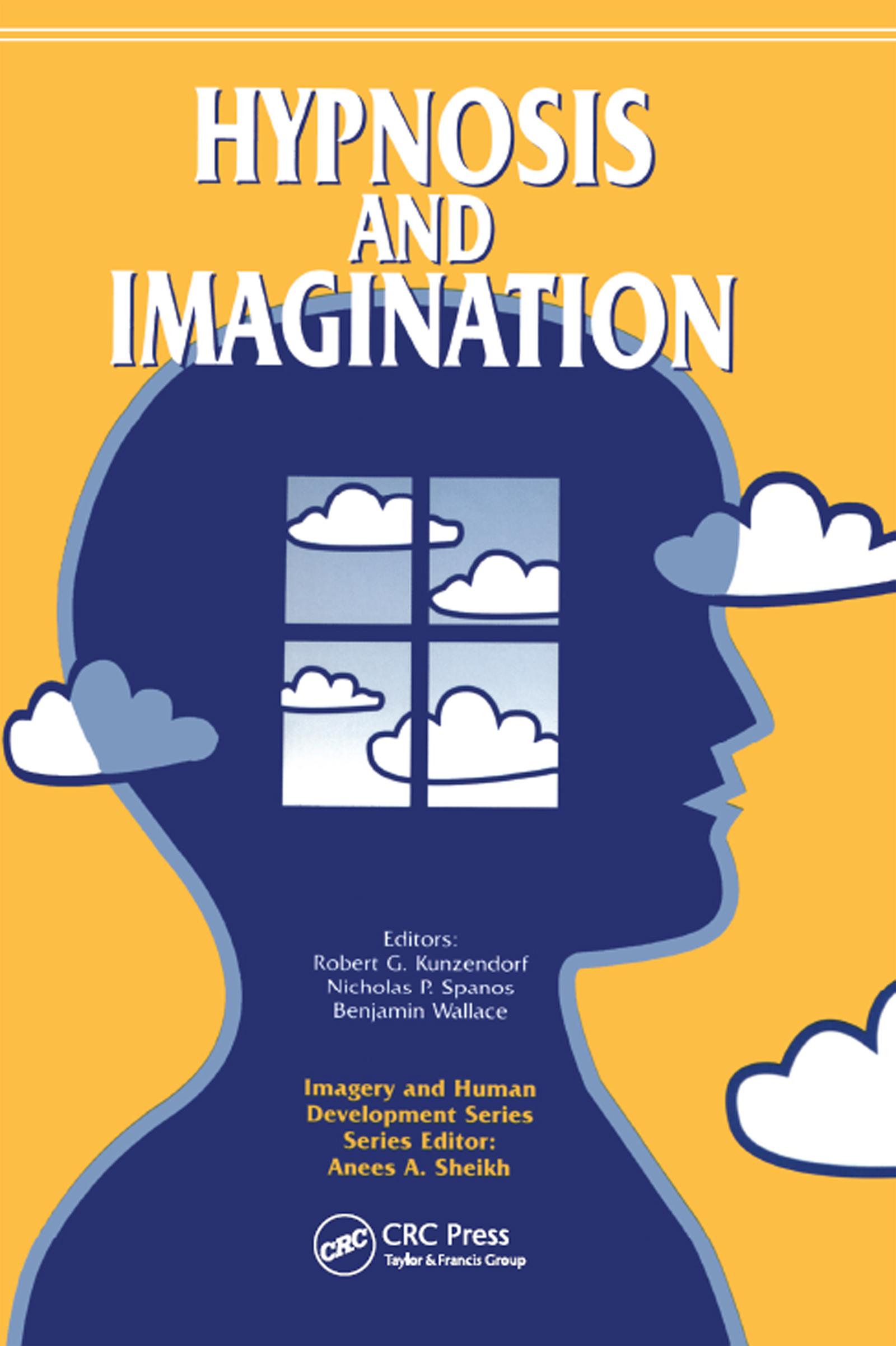
The book's first three chapters-by Sheehan and Robertson; Wagstaff; Council, Kirsch, and Grant - conclude that three different factors turn imagination into hypnosis. The next three chapters-by Lynn, Neufeld, Green, Rhue, and Sandberg; Rader, Kunzendorf, and Carrabino; and Barrett-explore the hypnotic and the clinical significance of absorption in imagination. Three subsequent chapters-by Coe; Gwynn and Spanos; and Gorassini-examine the role of compliance and imagination in various hypnotic phenomena. Pursuing the possibility that some hypnotic hallucinations are experienced differently from normal images, the following two chapters-by Perlini, Spanos, and Jones; and Kunzendorf and Boisvert-focus on negative hallucinating, which reportedly "blocks out" perceptual reality. The remaining three chapters-by Wallace and Turosky; Crawford; and Persinger-pursue other physiological differences, and possible physiological connections, between hypnosis and imagination.
Betal enkelt med kort, Klarna, Apple Pay eller Google Pay. Ikke fornøyd? Du har alltid 14 dagers angrerett. Les mer i våre vilkår. Har du spørsmål, send oss en e-post på hello@memmo.org.
Memmo gjør det enklere å studere – uansett hvor du er i verden. Hos oss samler du pensumbøker og smarte studieverktøy på ett og samme sted: sammendrag, quizer, podkaster og flashcards. Og så Ted, din studiekompis som svarer på alt du lurer på. Over 50 000 studenter studerer allerede her – bygget for at du skal lære raskere og stresse mindre.
Du vil kanskje også like
Kjøp boken0