
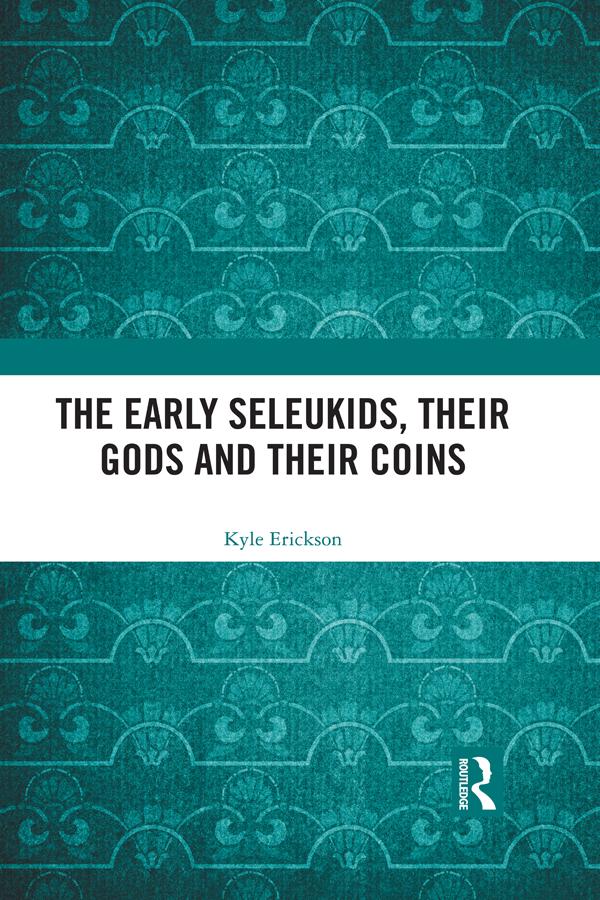
Before Alexander, the Near East was ruled by dynasts who could draw on the significant resources and power base of their homeland, but this was not the case for the Seleukids who never controlled their original homeland of Macedon. The Early Seleukids, their Gods and their Coins argues that rather than projecting an imperialistic Greek image of rule, the Seleukid kings deliberately produced images that represented their personal power, and that were comprehensible to the majority of their subjects within their own cultural traditions. These images relied heavily on the syncretism between Greek and local gods, in particular their ancestor Apollo.
The Early Seleukids, their Gods and their Coins examines how the Seleukids, from Seleukos I to Antiochos IV, used coinage to propagandise their governing ideology. It offers a valuable resource to students of the Seleukids and of Hellenistic kingship more broadly, numismatics, and the interplay of ancient Greek religion and politics.
Betal enkelt med kort, Klarna, Apple Pay eller Google Pay. Ikke fornøyd? Du har alltid 14 dagers angrerett. Les mer i våre vilkår. Har du spørsmål, send oss en e-post på hello@memmo.org.
Memmo gjør det enklere å studere – uansett hvor du er i verden. Hos oss samler du pensumbøker og smarte studieverktøy på ett og samme sted: sammendrag, quizer, podkaster og flashcards. Og så Ted, din studiekompis som svarer på alt du lurer på. Over 50 000 studenter studerer allerede her – bygget for at du skal lære raskere og stresse mindre.