
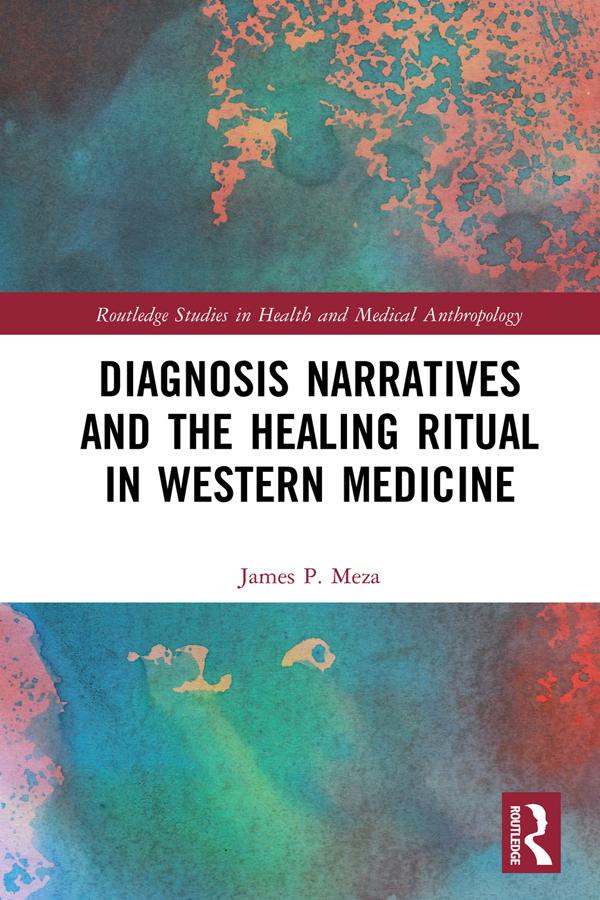
The dominance of "illness narratives" in narrative healing studies has tended to mean that the focus centers around the healing of the individual. Meza proposes that this emphasis is misplaced and the true focus of cultural healing should lie in managing the disruption of disease and death (cultural or biological) to the individual’s relationship with society. By explicating narrative theory through the lens of cognitive anthropology, Meza reframes the epistemology of narrative and healing, moving it from relativism to a philosophical perspective of pragmatic realism. Using a novel combination of narrative theory and cognitive anthropology to represent the ethnographic data, Meza’s ethnography is a valuable contribution in a field where ethnographic records related to medical clinical encounters are scarce. The book will be of interest to scholars of medical anthropology and those interested in narrative history and narrative medicine.
Betal enkelt med kort, Klarna, Apple Pay eller Google Pay. Ikke fornøyd? Du har alltid 14 dagers angrerett. Les mer i våre vilkår. Har du spørsmål, send oss en e-post på hello@memmo.org.
Memmo gjør det enklere å studere – uansett hvor du er i verden. Hos oss samler du pensumbøker og smarte studieverktøy på ett og samme sted: sammendrag, quizer, podkaster og flashcards. Og så Ted, din studiekompis som svarer på alt du lurer på. Over 50 000 studenter studerer allerede her – bygget for at du skal lære raskere og stresse mindre.