
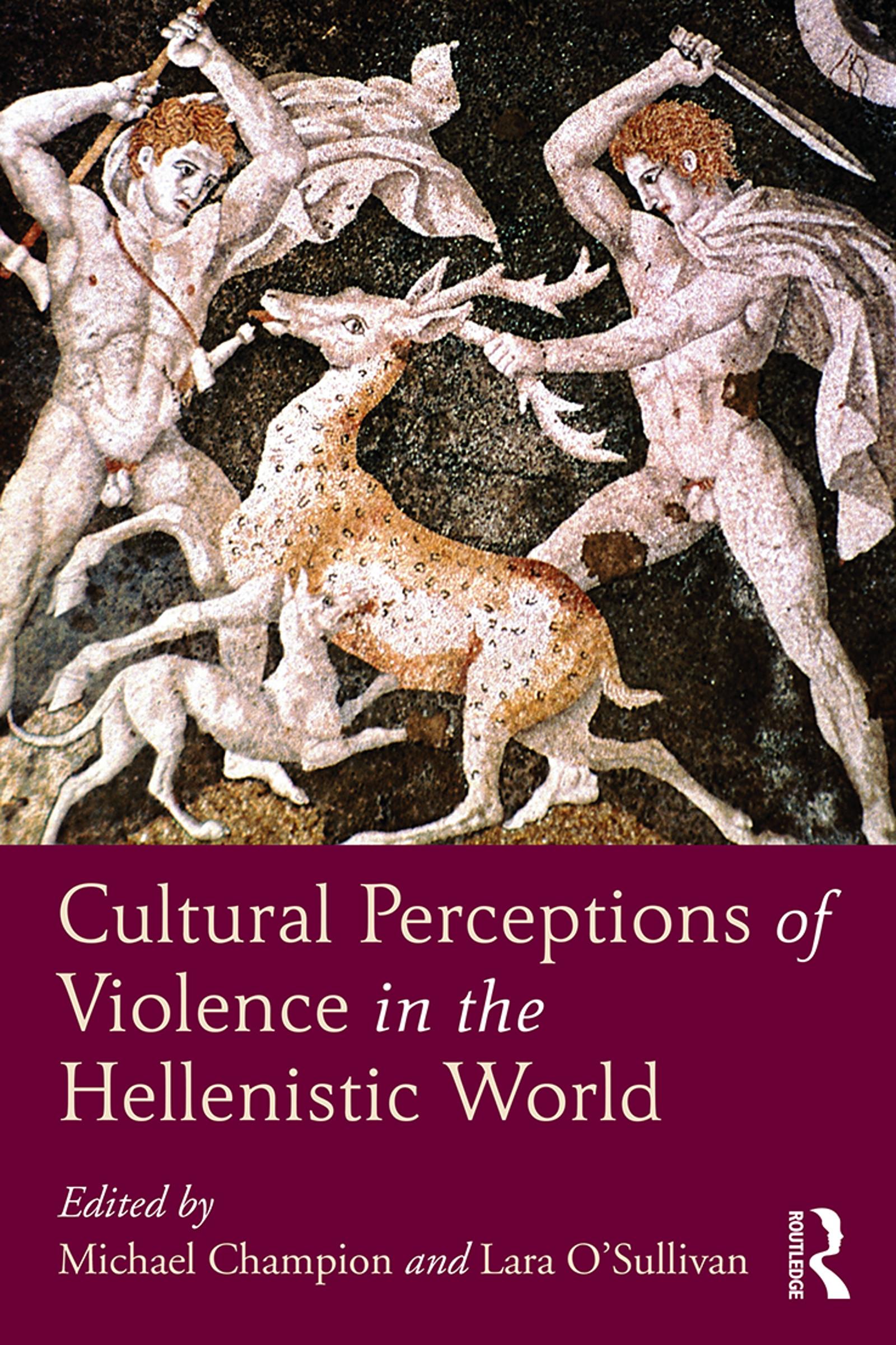
Violence had long been central to the experience of Hellenistic Greek cities and to their civic discourses. This volume asks how these discourses were shaped and how they functioned within the particular cultural constructs of the Hellenistic world. It was a period in which warfare became more professionalised, and wars increasingly ubiquitous. The period also saw major changes in political structures that led to political and cultural experimentation and transformation in which the political and cultural heritage of the classical city-state encountered the new political principles and cosmopolitan cultures of Hellenism. Finally, and in a similar way, it saw expanded opportunities for cultural transfer in cities through (re)constructions of urban space. Violence thus entered the city through external military and political shocks, as well as within emerging social hierarchies and civic institutions. Such factors also inflected economic activity, religious practices and rituals, and the artistic, literary and philosophical life of the polis.
Betal enkelt med kort, Klarna, Apple Pay eller Google Pay. Ikke fornøyd? Du har alltid 14 dagers angrerett. Les mer i våre vilkår. Har du spørsmål, send oss en e-post på hello@memmo.org.
Memmo gjør det enklere å studere – uansett hvor du er i verden. Hos oss samler du pensumbøker og smarte studieverktøy på ett og samme sted: sammendrag, quizer, podkaster og flashcards. Og så Ted, din studiekompis som svarer på alt du lurer på. Over 50 000 studenter studerer allerede her – bygget for at du skal lære raskere og stresse mindre.