
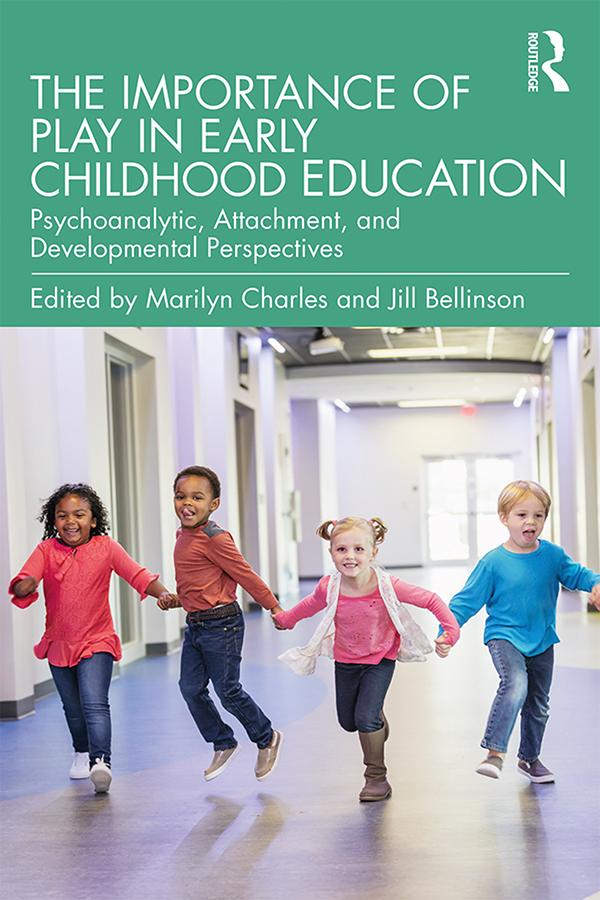
The Importance of Play in Early Childhood Education presents various theories of play and demonstrates how it serves communicative, developmental, and relational functions, highlighting the importance and development of the capacity to play in terms useful to early childhood educators. The book explicitly links trauma, development, and interventions in the early childhood classroom specifically for teachers of young children, offering accessible information that can help teachers better understand the meanings of children’s expressive acts.
Contributors from education, psychoanalysis, and developmental psychology explore techniques of play, how cultural influences affect how children play, the effect of trauma on play, factors that interfere with the ability to play, and how to apply these ideas in the classroom. They also discuss the relevance of ideas about playfulness for teachers and other professionals.
The Imprtance of Play in Early Childhood Education will be of great interest to teachers, psychoanalysts, and psychotherapists as well as play therapists and developmental psychologists.
Betal enkelt med kort, Klarna, Apple Pay eller Google Pay. Ikke fornøyd? Du har alltid 14 dagers angrerett. Les mer i våre vilkår. Har du spørsmål, send oss en e-post på hello@memmo.org.
Memmo gjør det enklere å studere – uansett hvor du er i verden. Hos oss samler du pensumbøker og smarte studieverktøy på ett og samme sted: sammendrag, quizer, podkaster og flashcards. Og så Ted, din studiekompis som svarer på alt du lurer på. Over 50 000 studenter studerer allerede her – bygget for at du skal lære raskere og stresse mindre.