
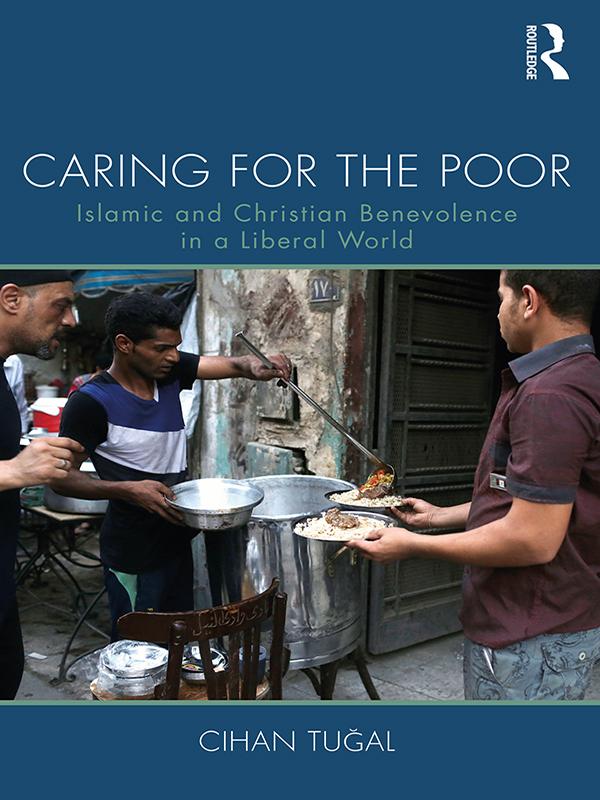
Based on several years of fieldwork in Egypt and Turkey, Caring for the Poor tells the stories of charity providers and volunteers. The book also places their stories within the overall development of Islamic ethics. Muslim charity, Tuğal argues, has interacted with Christian and secular Western ethics over the centuries, which themselves have a conflict-ridden and still evolving history. The overall arch that connects all of these distinct elements is (a combined and uneven) liberalization. Liberalization tends to transform care into a cold, calculating, and individualizing set of practices. Caring for the Poor meticulously documents this insidious process in Egypt and Turkey, while also drawing attention to its limits and contradictions (by using the American case to highlight the contested nature of liberalization even in its world leader). However, as historians have shown, charitable actors have intervened in decisive ways in the rise and demise of social formations. Tuğal raises the possibility, especially through his study of two controversial Turkish organizations, that Islamic charity might appropriate elements of liberalism to shift the world in a post-liberal direction.
Betal enkelt med kort, Klarna, Apple Pay eller Google Pay. Ikke fornøyd? Du har alltid 14 dagers angrerett. Les mer i våre vilkår. Har du spørsmål, send oss en e-post på hello@memmo.org.
Memmo gjør det enklere å studere – uansett hvor du er i verden. Hos oss samler du pensumbøker og smarte studieverktøy på ett og samme sted: sammendrag, quizer, podkaster og flashcards. Og så Ted, din studiekompis som svarer på alt du lurer på. Over 50 000 studenter studerer allerede her – bygget for at du skal lære raskere og stresse mindre.