
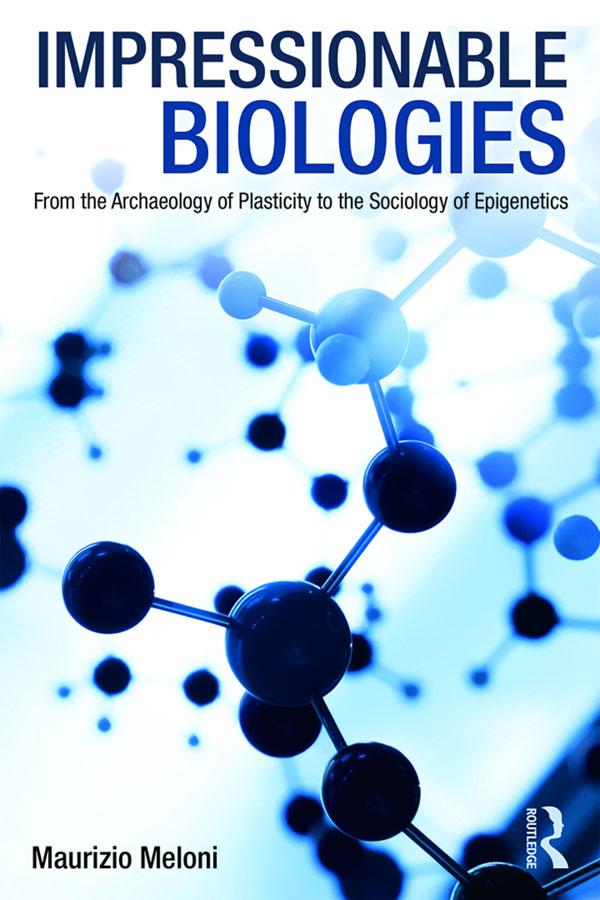
During the twentieth century, genes were considered the controlling force of life processes, and the transfer of DNA the definitive explanation for biological heredity. Such views shaped the politics of human heredity: in the eugenic era, controlling heredity meant intervening in the distribution of "good" and "bad" genes. However, since the turn of the twenty-first century, this centrality of genes has been challenged by a number of "postgenomic" disciplines. The rise of epigenetics in particular signals a shift from notions of biological fixedness to ideas of plasticity and "impressionability" of biological material.
This book investigates a long history of the beliefs about the plasticity of human biology, starting with ancient medicine, and analyses the biopolitical techniques required to govern such permeability. It looks at the emergence of the modern body of biomedicine as a necessary displacement or possibly reconfiguration of earlier plastic views. Finally, it analyses the returning of plasticity to contemporary postgenomic views and argues that postgenomic plasticity is neither a modernistic plasticity of instrumental management of the body nor a postmodernist celebration of potentialities. It is instead a plasticity that disrupts clear boundaries between openness and determination, individual and community, with important implications for notions of risk, responsibility and intervention.
Betal enkelt med kort, Klarna, Apple Pay eller Google Pay. Ikke fornøyd? Du har alltid 14 dagers angrerett. Les mer i våre vilkår. Har du spørsmål, send oss en e-post på hello@memmo.org.
Memmo gjør det enklere å studere – uansett hvor du er i verden. Hos oss samler du pensumbøker og smarte studieverktøy på ett og samme sted: sammendrag, quizer, podkaster og flashcards. Og så Ted, din studiekompis som svarer på alt du lurer på. Over 50 000 studenter studerer allerede her – bygget for at du skal lære raskere og stresse mindre.