
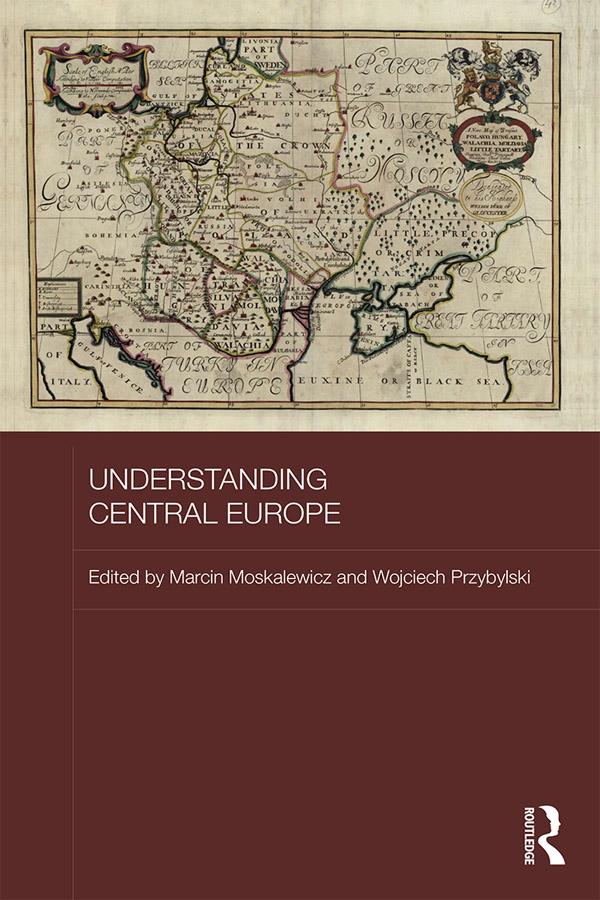
“Central Europe” is a vague and ambiguous term, more to do with outlook and a state of mind than with a firmly defined geographical region. In the immediate aftermath of the collapse of the Iron Curtain, Central Europeans considered themselves to be culturally part of the West, which had been politically handicapped by the Eastern Soviet bloc. More recently, and with European Union membership, Central Europeans are increasingly thinking of themselves as politically part of the West, but culturally part of the East. This book, with contributions from a large number of scholars from the region, explores the concept of “Central Europe” and a number of other political concepts from an openly Central European perspective. It considers a wide range of issues including politics, nationalism, democracy, and the impact of culture, art and history. Overall, the book casts a great deal of light on the complex nature of “Central Europe”.
Betal enkelt med kort, Klarna, Apple Pay eller Google Pay. Ikke fornøyd? Du har alltid 14 dagers angrerett. Les mer i våre vilkår. Har du spørsmål, send oss en e-post på hello@memmo.org.
Memmo gjør det enklere å studere – uansett hvor du er i verden. Hos oss samler du pensumbøker og smarte studieverktøy på ett og samme sted: sammendrag, quizer, podkaster og flashcards. Og så Ted, din studiekompis som svarer på alt du lurer på. Over 50 000 studenter studerer allerede her – bygget for at du skal lære raskere og stresse mindre.
Du vil kanskje også like
Kjøp boken0