
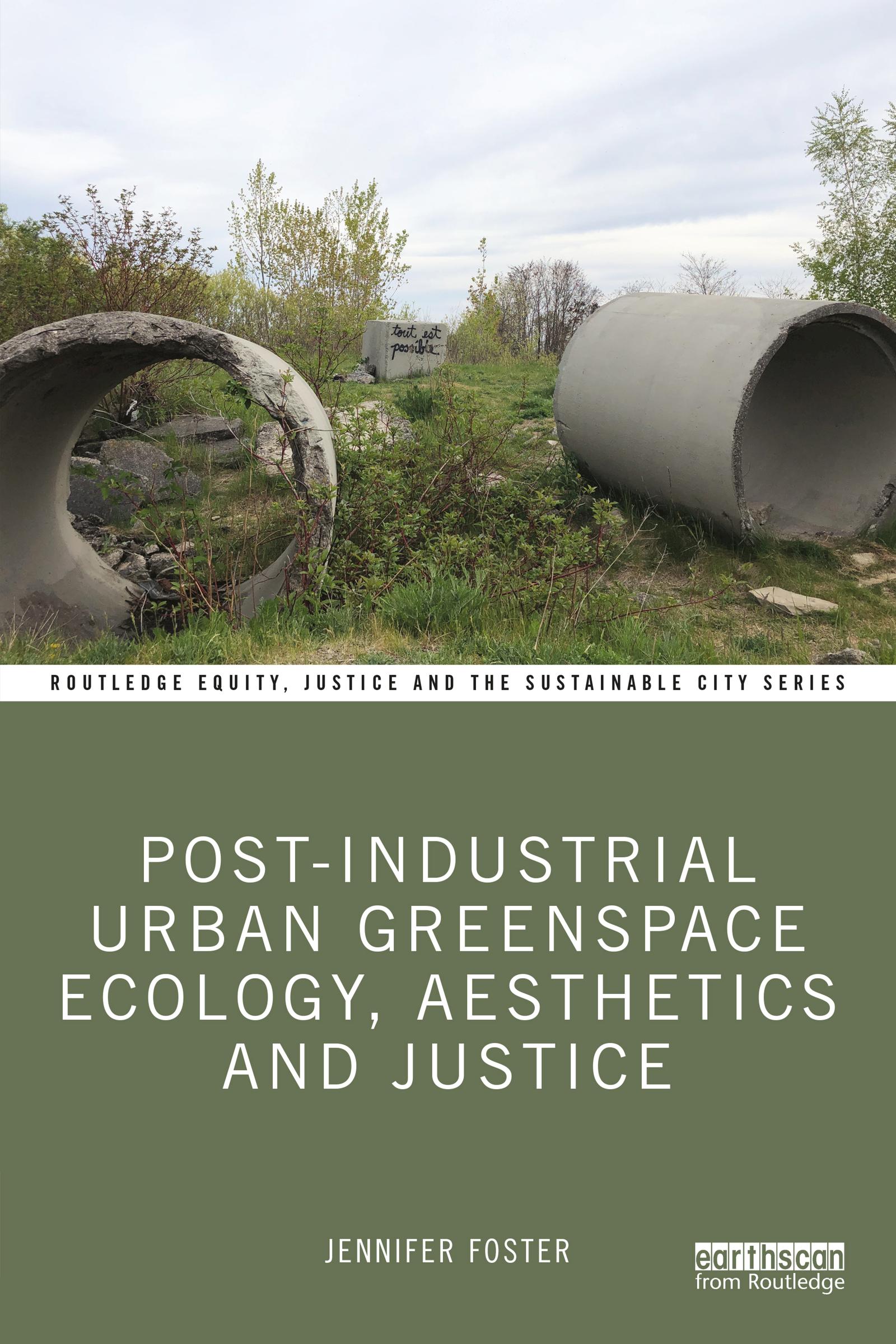
This book offers original theoretical and empirical insight into the social, cultural and ecological politics of rapidly changing urban spaces such as old factories, rail yards, verges, dumps and quarries. These environments are often disregarded once their industrial functions wane, a trend that cities are experiencing through the advance of late capitalism.
From a sustainability perspective, there are important lessons to learn about the potential prospects and perils of these disused sites. The combination of shelter, standing water and infrequent human visitation renders such spaces ecologically vibrant, despite residual toxicity and other environmentally undesirable conditions. They are also spaces of social refuge. Three case studies in Milwaukee, Paris and Toronto anchor the book, each of which offers unique analytical insight into the forms, functions and experiences of post-industrial urban greenspaces. Through this research, this book challenges the dominant instinct in Western urban planning to "rediscover" and redevelop these spaces for economic growth rather than ecological resilience and social justice.
This book will be of great interest to students and researchers of Urban Planning, Ecological Design, Landscape Architecture, Urban Geography, Environmental Planning, Restoration Ecology, and Aesthetics.
Betal enkelt med kort, Klarna, Apple Pay eller Google Pay. Ikke fornøyd? Du har alltid 14 dagers angrerett. Les mer i våre vilkår. Har du spørsmål, send oss en e-post på hello@memmo.org.
Memmo gjør det enklere å studere – uansett hvor du er i verden. Hos oss samler du pensumbøker og smarte studieverktøy på ett og samme sted: sammendrag, quizer, podkaster og flashcards. Og så Ted, din studiekompis som svarer på alt du lurer på. Over 50 000 studenter studerer allerede her – bygget for at du skal lære raskere og stresse mindre.