
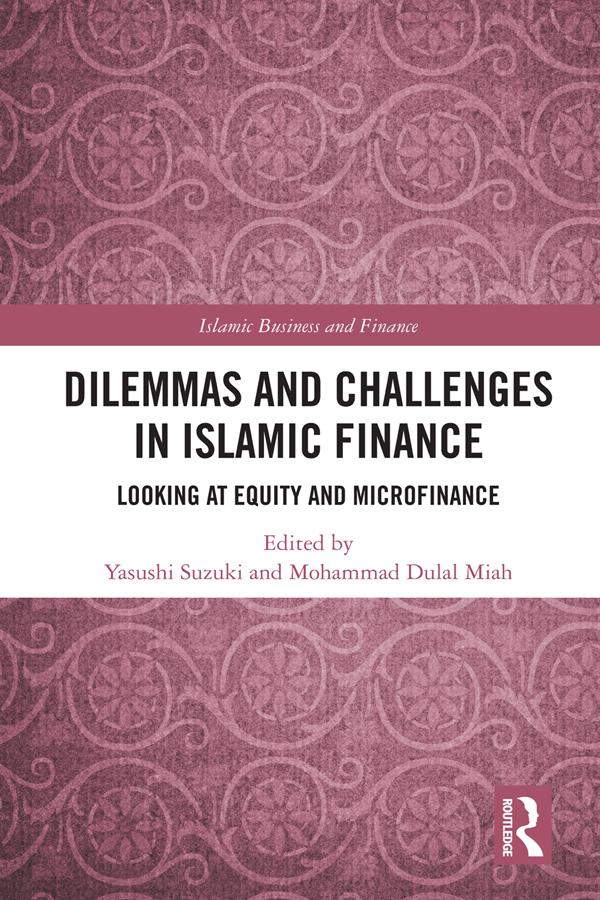
The phenomenal growth of Islamic finance in the last few decades has been accompanied by a host of interesting questions and challenges. One of the critical challenges is how Islamic financial institutions can be motivated to participate in the 'equity-like' profit-and-loss sharing (PLS) contracts. It is observed that Islamic banks are reluctant to participate in the pure PLS scheme which is manifested by the rising concentration of investment on murabaha or mark-up financing. This phenomenon has been the hotbed of academic criticism on the contemporary practice of Islamic banking. This book explains the 'murabaha syndrome' in light of the incentive provided by the current institutional framework and what are the changes required in the governance structure to mend this anomaly.
Betal enkelt med kort, Klarna, Apple Pay eller Google Pay. Ikke fornøyd? Du har alltid 14 dagers angrerett. Les mer i våre vilkår. Har du spørsmål, send oss en e-post på hello@memmo.org.
Memmo gjør det enklere å studere – uansett hvor du er i verden. Hos oss samler du pensumbøker og smarte studieverktøy på ett og samme sted: sammendrag, quizer, podkaster og flashcards. Og så Ted, din studiekompis som svarer på alt du lurer på. Over 50 000 studenter studerer allerede her – bygget for at du skal lære raskere og stresse mindre.