
Før Memmo var notatene mine spredt overalt i PDF-er. Nå samler et arbeidsområde alt på ett sted – jeg ser akkurat hva som gjenstår å studere.
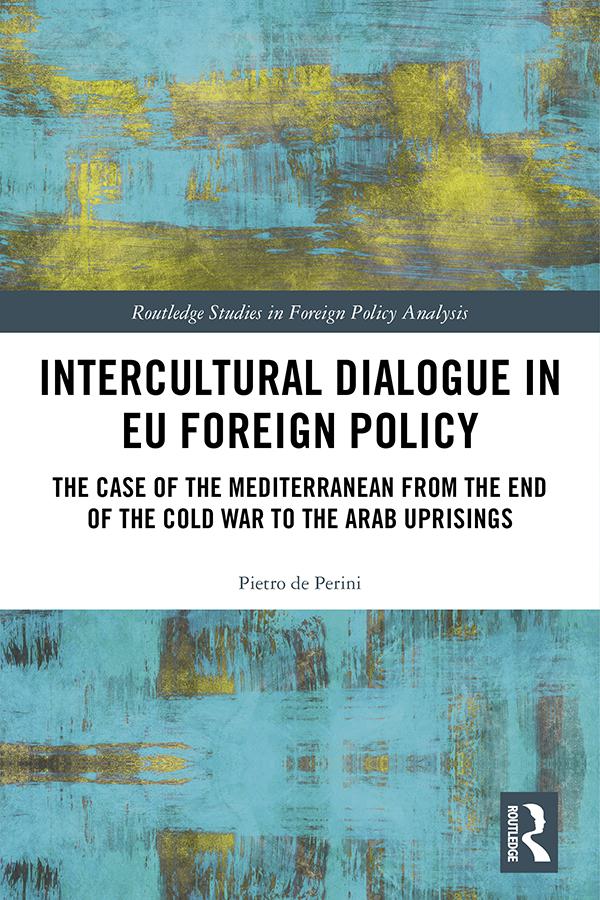
This book provides an original, rigorous and theoretically-grounded investigation into varying EU efforts to advance intercultural dialogue (ICD) in the framework of its foreign policy towards the Mediterranean during the period 1990-2014. From the end of the Cold War, the EU has increasingly invested in both rhetoric and resources on ICD promotion. In spite of this commitment, the EU has never offered a clear and permanent understanding of what this concept entails and has been actually aimed at. By adopting a FPA standpoint and approaching ICD as one of the foreign policy instruments developed by the EU to address the relations with its Mediterranean partners, this book exposes the causes and the modalities of the contradictory development of this relevant and long standing element of EU foreign policy.
De Perini investigates change and continuity in the promotion of this tool, and provides in-depth knowledge of what ICD has actually meant for the EU: from the development and launch of the Euro-Mediterranean Partnership or Barcelona Process, to the revision of the European Neighbourhood Policy following the Arab uprisings. The book shows that the EU’s advancement of ICD in its foreign policy has gone through three distinct phases: ‘emergence’ (1990-2001), ‘consolidation’ (2001-2010) and ‘professionalisation’ (2010-2014). Empirically the book provides the first comprehensive and integrative analysis of all aspects of EU efforts to promote ICD.
The book exposes a series of trends, limits and contradictions of EU foreign policy which are increasingly relevant today. In particular, it shows that over the last twenty-five years, the EU has addressed a set of persistent challenges characterising its relations with Mediterranean countries and people, namely challenges connected to regional conflicts, religious fundamentalisms, xenophobic attitudes towards Arab/Muslim migrants and related social tensions. As these challenges are still major issues in the current EU agenda and in the broader debate about EU foreign policy, this book provides rich and original empirical knowledge to an understanding of how the EU has decided to address these phenomena at different moments of its recent history.
Før Memmo var notatene mine spredt overalt i PDF-er. Nå samler et arbeidsområde alt på ett sted – jeg ser akkurat hva som gjenstår å studere.
Memmos sammendrag er gull før eksamen. Jeg slipper å lese 800 sider to uker før – bare det viktigste.
AI-chatten har reddet meg kvelden før eksamen mer enn én gang. Jeg bare spør til jeg forstår – slipper å vente på svar i en studiegruppe.
Quizene treffer akkurat det jeg trenger å vite. Memmo holder styr på hva jeg sliter med – så jeg øver bare på det som er verdt det.
Flashcards med repetisjon over tid er magi. Memmo vet når jeg er i ferd med å glemme noe og viser det igjen.
AI-podkastene er min favoritt. Jeg lytter på vei til skolen og får en repetisjon uten å sitte foran en datamaskin.

Handbok i kvalitativa metoder
281 kr

Hållbar utveckling: en introduktion för ingenjörer och andra problemlösare
334 kr

Brymans Samhällsvetenskapliga metoder
390 kr

Projektledning
491 kr

Den orättvisa hälsan: om socioekonomiska skillnader i hälsa och livslängd
326 kr

Organizational Leadership
429 kr

Vetenskapsteori för nybörjare
196 kr

På väg mot läraryrket
172 kr

Det sociala livet i skolan: Socialpsykologiska perspektiv
253 kr

Betygsättningens didaktik
151 kr

Personality
402 kr

Studying Leadership
404 kr

Managing Innovation
477 kr

Introduktion till samhällsvetenskaplig metod
347 kr

The Psychology of Sex and Gender
698 kr

Evidens och kunskap för socialt arbete
207 kr

Introduction to Leadership
605 kr