
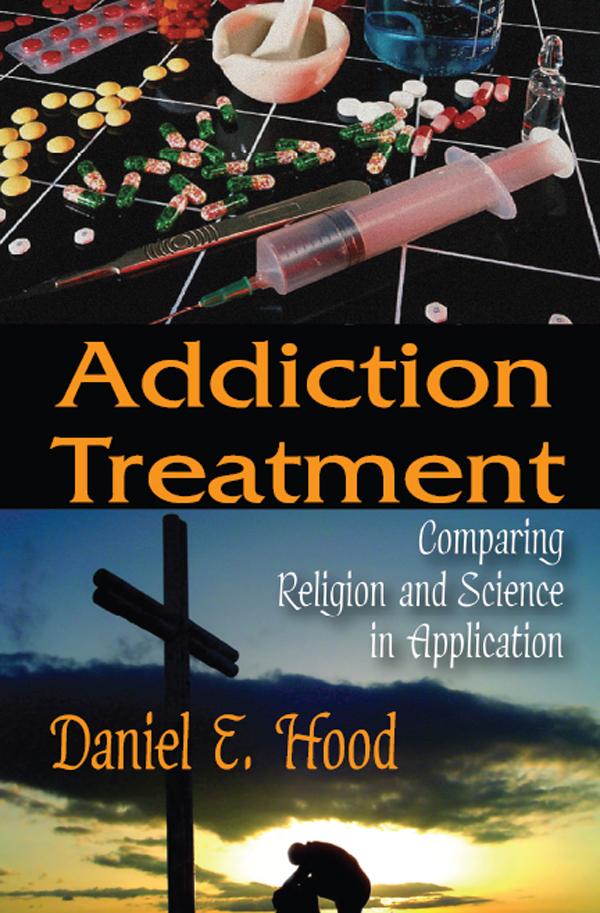
Addiction Treatment is an ethnography that compares two types of residential drug-free treatment programs-religious, faith-based programs and science-based, secular programs. Although these programs have originated from significantly different ideological bases, in examining the day-to-day operations of each, Daniel E. Hood concludes that they are far more alike than they are different. Drug-free treatment today, whether in secular or religious form, is little more than a remnant of the temperance movement. It is a warning to stop using drugs. At its best, treatment provides practical advice and support for complete abstinence. At its worst, it demeans users for a form of behavior that is not well understood and threatens death if they do not stop. Hood argues that there is no universal agreement on what addiction is and that drug abuse is little more than a catch-all term of no specific meaning used to condemn behavior that is socially unacceptable. Through extensive participatory observations, intimate life history interviews, and informal conversations with residents and staff, Hood shows how both programs use the same basic techniques of ideological persuasion (mutual witnessing), methods of social control (discourse deprivation), and the same proposed zero tolerance, abstinent lifestyle (Christian living vs. Right living) as they endeavor to transform clients from addicts to citizens or from sinners to disciples.
Betal enkelt med kort, Klarna, Apple Pay eller Google Pay. Ikke fornøyd? Du har alltid 14 dagers angrerett. Les mer i våre vilkår. Har du spørsmål, send oss en e-post på hello@memmo.org.
Memmo gjør det enklere å studere – uansett hvor du er i verden. Hos oss samler du pensumbøker og smarte studieverktøy på ett og samme sted: sammendrag, quizer, podkaster og flashcards. Og så Ted, din studiekompis som svarer på alt du lurer på. Over 50 000 studenter studerer allerede her – bygget for at du skal lære raskere og stresse mindre.
Du vil kanskje også like
Kjøp boken0