
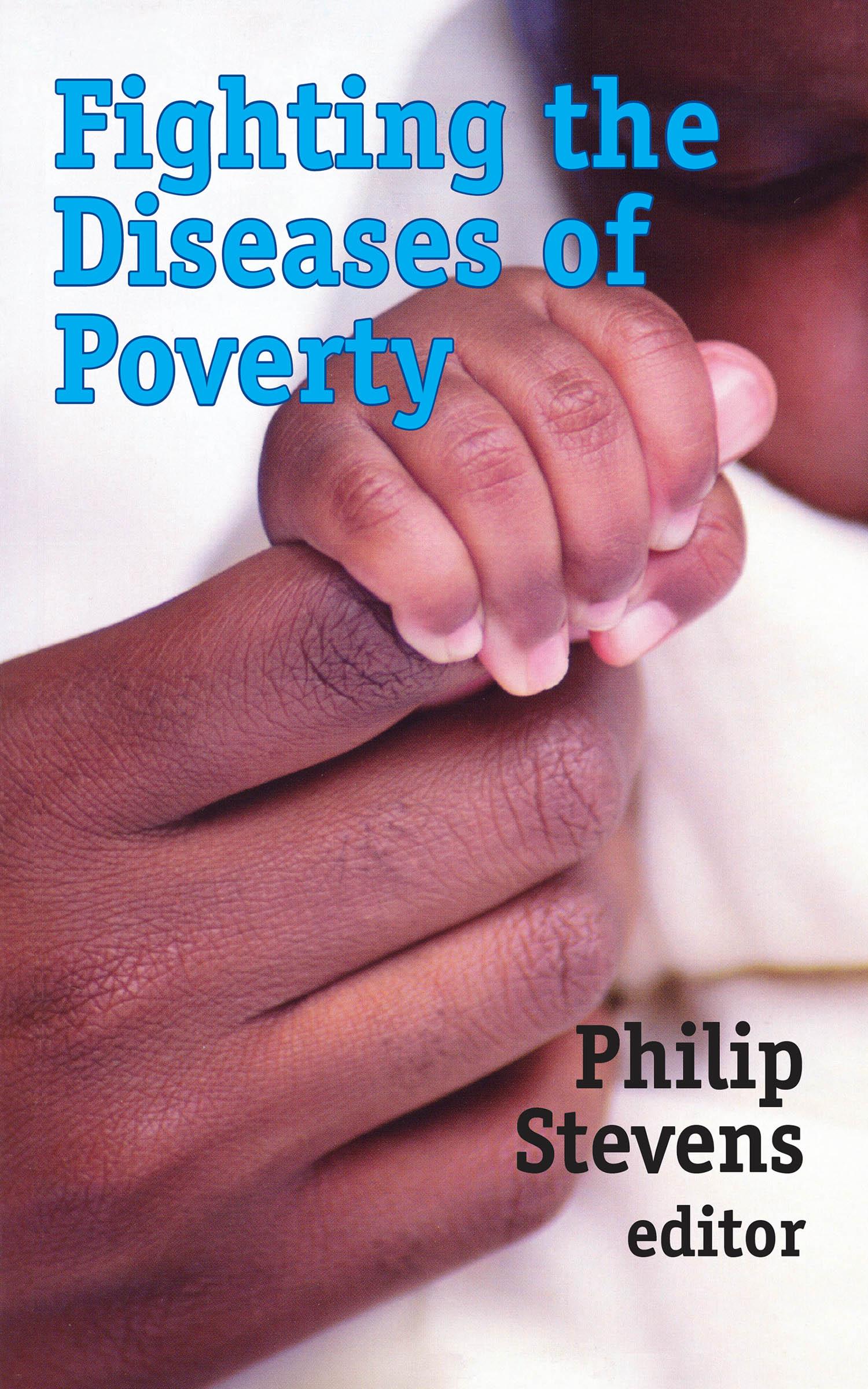
Public discussion of global healthcare issues is dominated by those who believe that top-down, government-driven interventions are the solution to the myriad health problems suffered by people in less developed countries. This thinking is responsible for a plethora of harmful policies, ranging from a drive towards socialized healthcare systems, to calls for the centralization and semi-nationalization of pharmaceutical research and development, to impractical but grandiose UN-sponsored schemes for tackling HIV/AIDS and malaria.In spite of the abysmal track record of top-down approaches, non-governmental organizations and UN agencies continue to promote them, to the detriment of the private sector, economic development, and human health. The resulting politicization of diseases such as HIV/AIDS has led to a diversion of resources away from more easily treatable diseases that affect more people. Meanwhile, cost-effective and simple interventions such as vaccination are being subordinated to other more politically correct diseases.This centralizing mindset has also resulted in many governments in less developed countries attempting to plan and control universal healthcare systems, which has encouraged rationing, inequitable access, and entrenched corruption. It has also seriously undermined the effectiveness of overseas development aid. Moreover, the politicization of diseases such as HIV/AIDS has led to a diversion of resources away from more easily treatable diseases that affect more people. As a result, cost-effective and simple interventions are neglected by donors.There has to date been little public discussion of the role of markets and their underlying institutions--property rights and the rule of law--in improving human health. Economic growth and globalization has led to unprecedented improvements in human health. The challenge is to enable the poorest countries to take part more fully in this process. This work demonstrates how current
Betal enkelt med kort, Klarna, Apple Pay eller Google Pay. Ikke fornøyd? Du har alltid 14 dagers angrerett. Les mer i våre vilkår. Har du spørsmål, send oss en e-post på hello@memmo.org.
Memmo gjør det enklere å studere – uansett hvor du er i verden. Hos oss samler du pensumbøker og smarte studieverktøy på ett og samme sted: sammendrag, quizer, podkaster og flashcards. Og så Ted, din studiekompis som svarer på alt du lurer på. Over 50 000 studenter studerer allerede her – bygget for at du skal lære raskere og stresse mindre.
Du vil kanskje også like
Kjøp boken0