
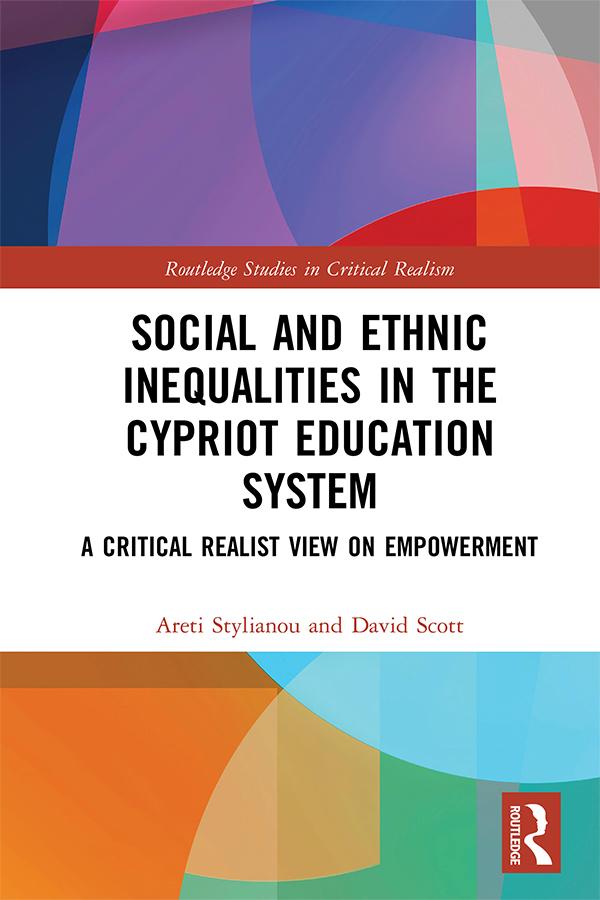
Accommodating the diversity of learners in mainstream schooling and providing high quality education for all, inclusive education is prioritised at international and European levels as a human rights issue and as a reform strategy which tackles inequalities and promotes social cohesion within both schools and wider society. This book advances critical realist ideas in empirical research in order to close the theory–practice gap and shift the emphasis from epistemology to ontology with regard to teachers’ empowerment to provide inclusive education. With a focus on the school context rather than the agency of the individual teacher, the authors use empirical data from case studies to demonstrate teachers’ disempowerment as real, and rooted in features of reality. Offering a unified critical realist model, the book challenges taken-for-granted ideas and practices concerning the empowerment of teachers in inclusive education and seeks to set the ground for a more holistic and inclusive educational change.
Betal enkelt med kort, Klarna, Apple Pay eller Google Pay. Ikke fornøyd? Du har alltid 14 dagers angrerett. Les mer i våre vilkår. Har du spørsmål, send oss en e-post på hello@memmo.org.
Memmo gjør det enklere å studere – uansett hvor du er i verden. Hos oss samler du pensumbøker og smarte studieverktøy på ett og samme sted: sammendrag, quizer, podkaster og flashcards. Og så Ted, din studiekompis som svarer på alt du lurer på. Over 50 000 studenter studerer allerede her – bygget for at du skal lære raskere og stresse mindre.