
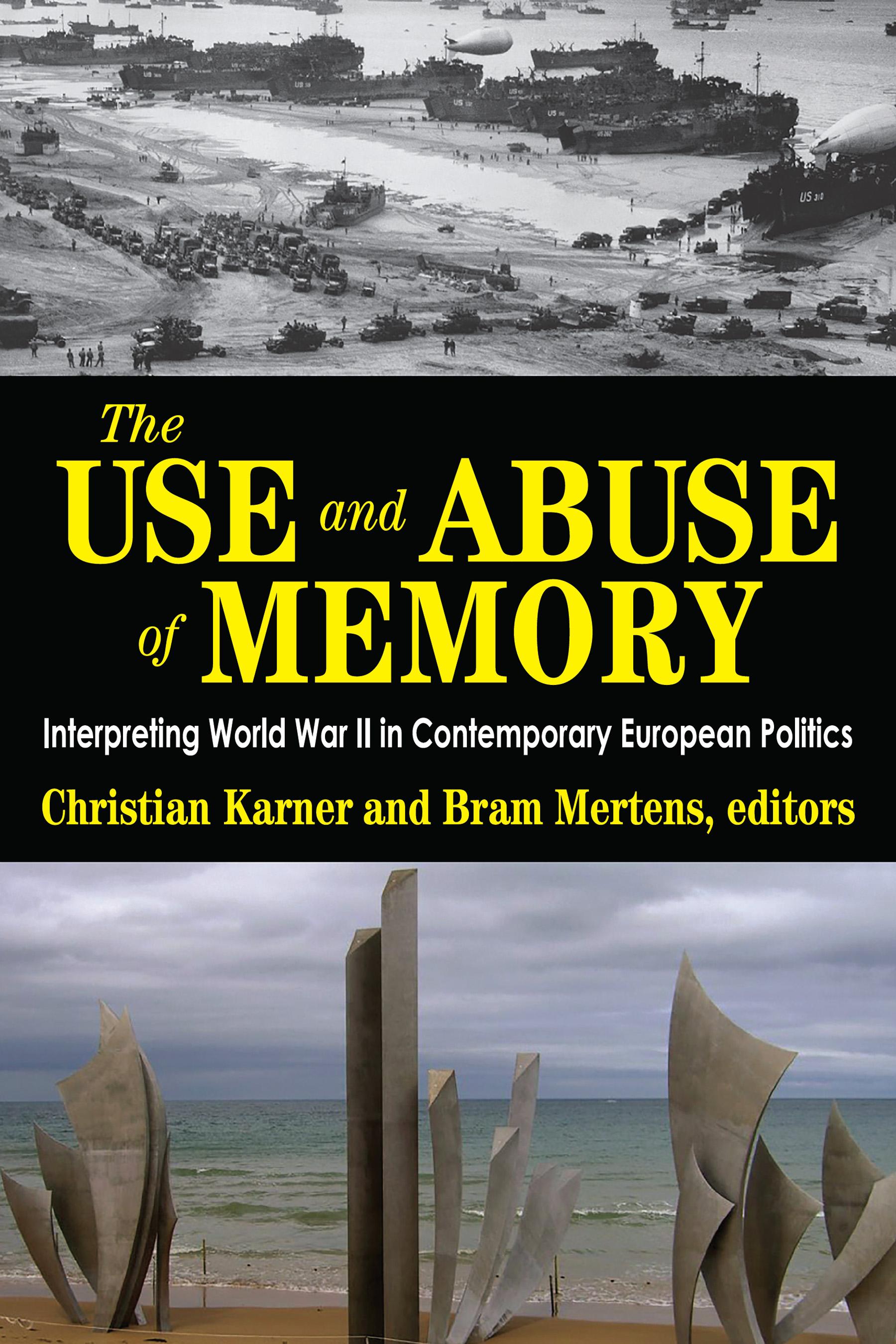
Decades after the previously unimaginable horrors of the Nazi extermination camps and the dropping of nuclear bombs on Hiroshima and Nagasaki, their memories remain part of our lives. In academic and human terms, preserving awareness of this past is an ethical imperative. This volume concerns narratives about—and allusions to—World War II across contemporary Europe, and explains why contemporary Europeans continue to be drawn to it as a template of comparison, interpretation, even prediction.
This volume adds a distinctly interdisciplinary approach to the trajectories of recent academic inquiries. Historians, sociologists, anthropologists, linguists, political scientists, and area study specialists contribute wide-ranging theoretical paradigms, disciplinary frameworks, and methodological approaches.
The volume focuses on how, where, and to what effect World War II has been remembered. The editors discuss how World War II in particular continues to be a point of reference across the political spectrum and not only in Europe. It will be of interest for those interested in popular culture, World War II history, and national identity studies.
Betal enkelt med kort, Klarna, Apple Pay eller Google Pay. Ikke fornøyd? Du har alltid 14 dagers angrerett. Les mer i våre vilkår. Har du spørsmål, send oss en e-post på hello@memmo.org.
Memmo gjør det enklere å studere – uansett hvor du er i verden. Hos oss samler du pensumbøker og smarte studieverktøy på ett og samme sted: sammendrag, quizer, podkaster og flashcards. Og så Ted, din studiekompis som svarer på alt du lurer på. Over 50 000 studenter studerer allerede her – bygget for at du skal lære raskere og stresse mindre.