
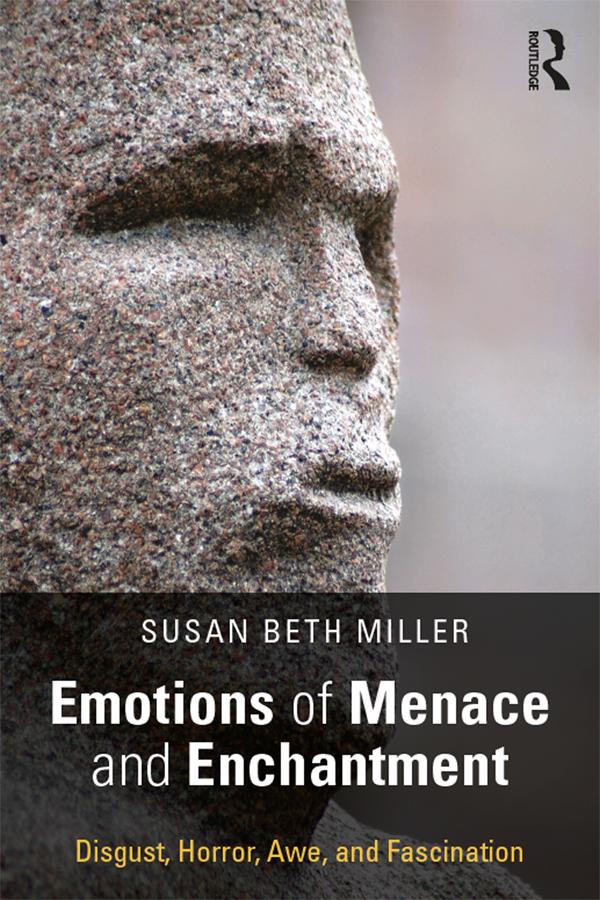
Emotions of Menace and Enchantment examines four pivotal human emotions. It explores what defines these emotions, how they interact, and how they impact the experience of self-boundary. All four feelings speak to the boundary around the self, to whether we stiffen that boundary, relax it or worry about its fraying.
Psychoanalysis has looked closely at conflicts that human beings experience, but has paid relatively less attention to the specific emotions through which conflict is known and managed. The disgust emotion is unique in operating like a gatekeeper that manages what approaches us closely. Disgust appears prominently in our relationship with the physical world, but surprisingly, is just as common in the world of politics. It moves people to action, including deeds of great violence. Horror occurs when we feel invaded and altered by something that leads to profound insecurity. Human beings behaving inhumanly is one common source of horror. While disgust is a moral emotion, horror makes no judgments but speaks to the misery of being unsafe. Awe opens the self to the outside world, and creates moments that sustain us through times of stress. Fascination also involves openness but its characteristic attitude and attention shows its differences from awe. It forms the foundation for deep learning. All four emotions find their way into psychopathology; for example, fascination plays a role in addiction and awe in masochism and cult formation.
Emotions of Menace and Enchantment
Betal enkelt med kort, Klarna, Apple Pay eller Google Pay. Ikke fornøyd? Du har alltid 14 dagers angrerett. Les mer i våre vilkår. Har du spørsmål, send oss en e-post på hello@memmo.org.
Memmo gjør det enklere å studere – uansett hvor du er i verden. Hos oss samler du pensumbøker og smarte studieverktøy på ett og samme sted: sammendrag, quizer, podkaster og flashcards. Og så Ted, din studiekompis som svarer på alt du lurer på. Over 50 000 studenter studerer allerede her – bygget for at du skal lære raskere og stresse mindre.