
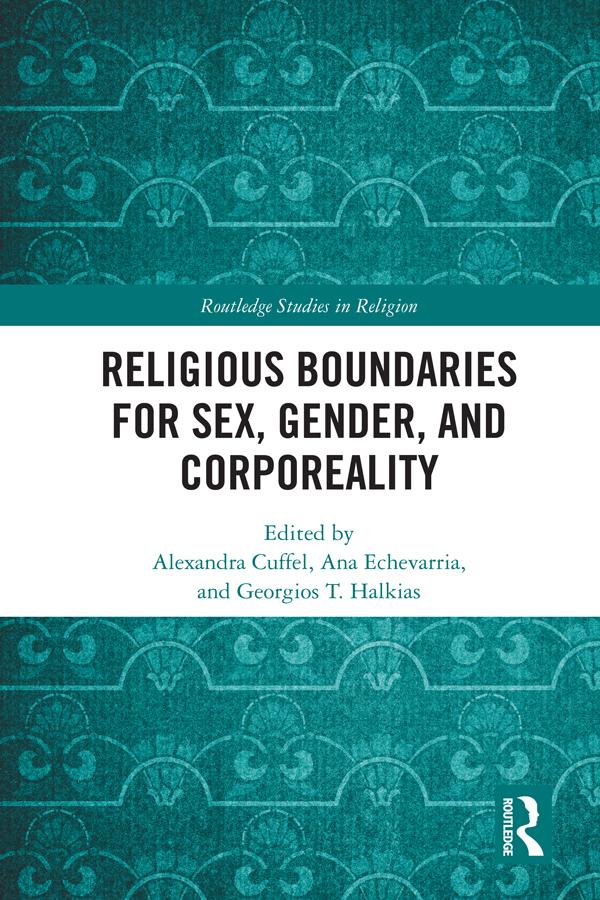
The ambiguity concerning the interpretation of the ‘physical body’ in religious thought is not peculiar to any given religion, but is discernible in the scriptures, practices, and disciplines in most of the world’s major religious traditions. This book seeks to address the nuances of difference within and between religious traditions in the treatment and understanding of what constitutes the body as a carrier of religious meaning and/or vindication of doctrine.
Bringing together an international team of contributors from different disciplines, this collection addresses the intersection of religion, gender, corporeality and/or sexuality in various Western and Eastern cultures. The book analyses instances when religious meaning is attributed to the human body’s physicality and its mechanics in contrast to imagined or metaphorical bodies. In other cases, it is shown that the body may function either as a vehicle or a hindrance for mystical knowledge. The chapters are arranged chronologically and across religious orientations, to offer a differentiated view on the body from a global perspective.
This collection is an exciting exploration of religion and the human body. As such, it will be of great interest to scholars in religious studies, theology, Islamic studies, South Asian studies, history of religions and gender studies.
Betal enkelt med kort, Klarna, Apple Pay eller Google Pay. Ikke fornøyd? Du har alltid 14 dagers angrerett. Les mer i våre vilkår. Har du spørsmål, send oss en e-post på hello@memmo.org.
Memmo gjør det enklere å studere – uansett hvor du er i verden. Hos oss samler du pensumbøker og smarte studieverktøy på ett og samme sted: sammendrag, quizer, podkaster og flashcards. Og så Ted, din studiekompis som svarer på alt du lurer på. Over 50 000 studenter studerer allerede her – bygget for at du skal lære raskere og stresse mindre.