
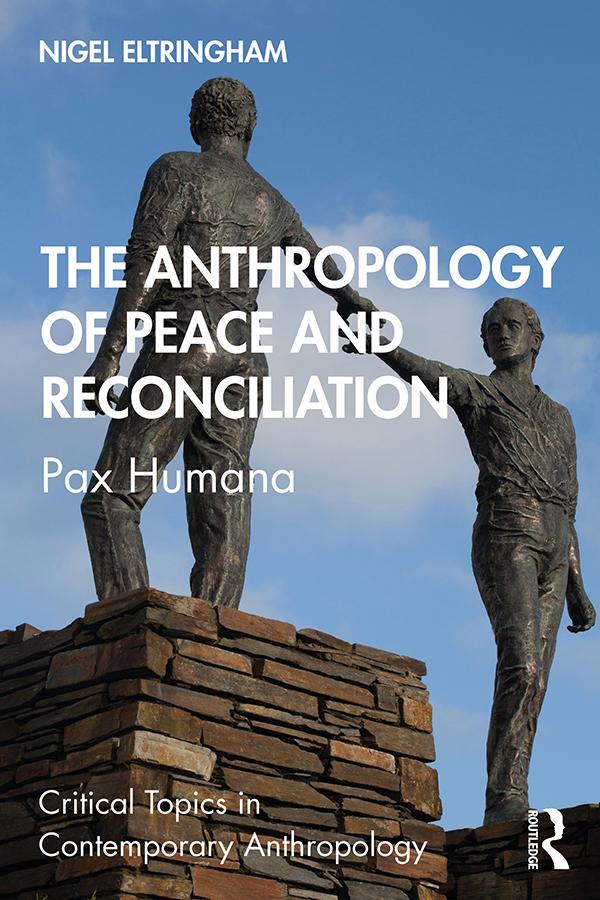
This book offers a uniquely comparative, case-study perspective on the anthropology of peace and reconciliation.
In the contemporary world, the end of violent conflict often gives way to one, or a combination, of five interventions designed to strengthen “peace” and facilitate “reconciliation”. These interventions are: the reinvigoration of “traditional” conflict management mechanisms; the collection and preservation of testimony; truth commissions; international criminal trials; and memorialisation. Social anthropologists have challenged the received wisdom on which these interventions are based, arguing that they fail to adequately take into account and sensitively manage the needs and expectations of those who have lived through conflict. Exploring the five interventions through detailed ethnographic accounts from around the world, this book demonstrates that although social anthropologists adopt a critical stance, they do not dismiss “received wisdom” out of hand; rather, they advocate that interventions should be subject to continuous evaluation according to the evolving, often contradictory, needs and wishes of those who strive to survive among the ruins of their former lives.
This is essential reading for scholars of peace studies, conflict resolution studies and those taking an anthropological approach to conflict, violence, human rights and law.
Betal enkelt med kort, Klarna, Apple Pay eller Google Pay. Ikke fornøyd? Du har alltid 14 dagers angrerett. Les mer i våre vilkår. Har du spørsmål, send oss en e-post på hello@memmo.org.
Memmo gjør det enklere å studere – uansett hvor du er i verden. Hos oss samler du pensumbøker og smarte studieverktøy på ett og samme sted: sammendrag, quizer, podkaster og flashcards. Og så Ted, din studiekompis som svarer på alt du lurer på. Over 50 000 studenter studerer allerede her – bygget for at du skal lære raskere og stresse mindre.