
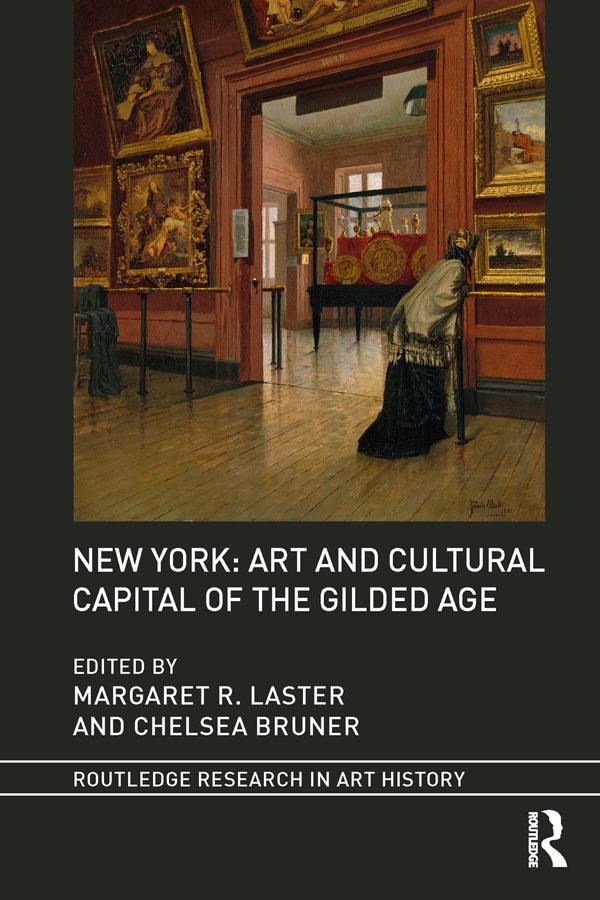
Fueled by a flourishing capitalist economy, undergirded by advancements in architectural design and urban infrastructure, and patronized by growing bourgeois and elite classes, New York’s built environment was dramatically transformed in the 1870s and 1880s. This book argues that this constituted the formative period of New York’s modernization and cosmopolitanism—the product of a vital self-consciousness and a deliberate intent on the part of its elite citizenry to create a world-class cultural metropolis reflecting the city’s economic and political preeminence. The interdisciplinary essays in this book examine New York’s late nineteenth-century evolution not simply as a question of its physical layout but also in terms of its radically new social composition, comprising the individuals, institutions, and organizations that played determining roles in the city’s cultural ascendancy.
Betal enkelt med kort, Klarna, Apple Pay eller Google Pay. Ikke fornøyd? Du har alltid 14 dagers angrerett. Les mer i våre vilkår. Har du spørsmål, send oss en e-post på hello@memmo.org.
Memmo gjør det enklere å studere – uansett hvor du er i verden. Hos oss samler du pensumbøker og smarte studieverktøy på ett og samme sted: sammendrag, quizer, podkaster og flashcards. Og så Ted, din studiekompis som svarer på alt du lurer på. Over 50 000 studenter studerer allerede her – bygget for at du skal lære raskere og stresse mindre.