
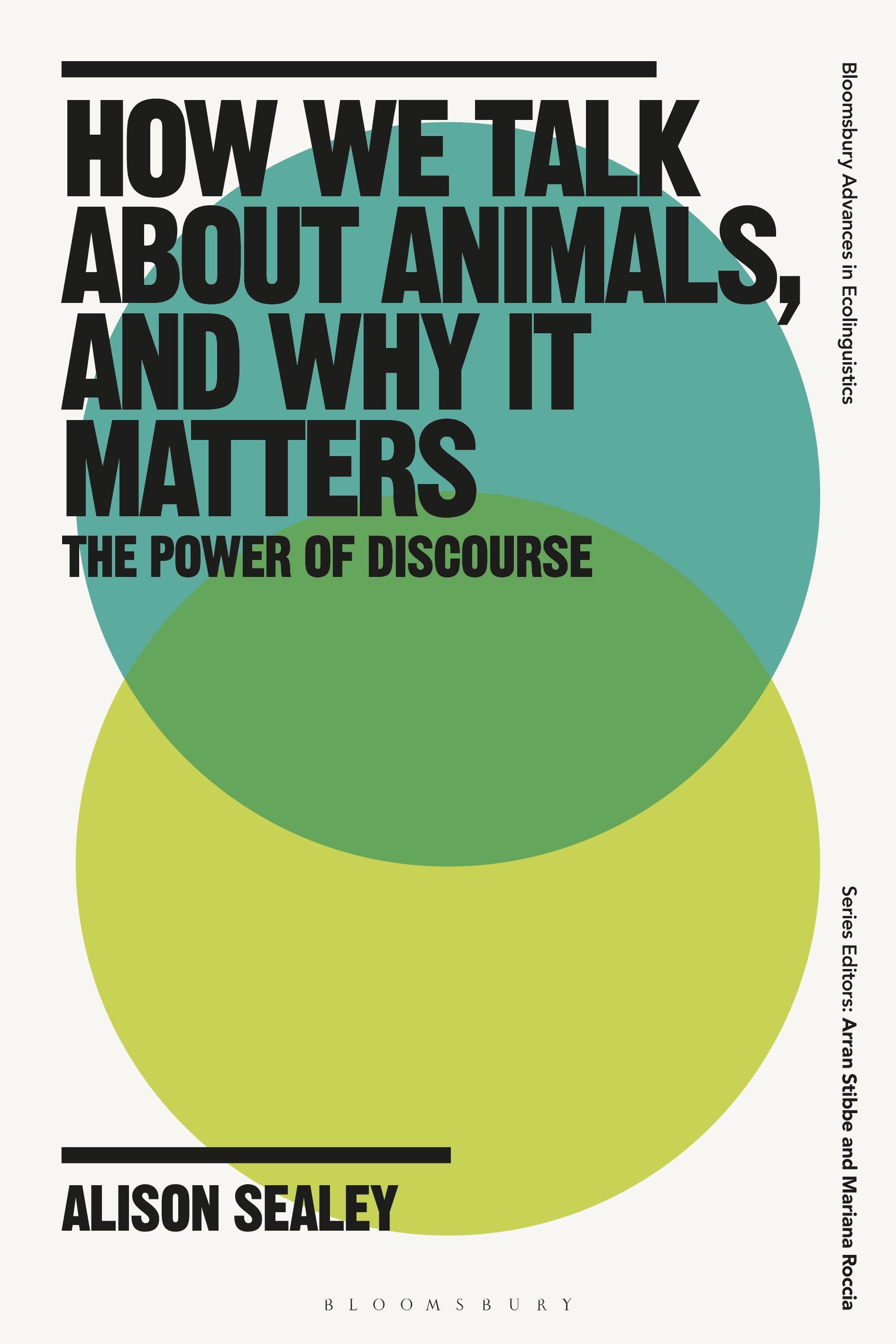
What kind of language do we use to name and describe the animals that feature in our lives? What names do we give to animals as individuals and groups, and how do these influence our perceptions of them? How do our descriptions of different species overlap with the words we use about categories of people?
Answering these questions and more, this book presents evidence from an extensive research project into how animals are represented in contemporary English. It draws on a multi-million word corpus of texts from a wide range of sources, as well as interviews with professional communicators about animals and focus groups involving people with different experiences of, and attitudes towards, animals in various contexts. Language about animals is explored thematically, focusing on topics such as names, descriptions, places, communication and ethics. The book highlights both what we know from scientific research about the huge diversity of animals' capacities and lifestyles, and how the language we use to communicate about them affects how we understand them and how we treat them. The methods used to investigate these topics include corpus linguistic analysis, using specialised software, as well as close reading of specific examples.
Providing a fascinating insight into the way we talk about animals, this book brings together new material from scientific studies and popular culture to explore the relationships between humans and other animals. It will appeal to a wide readership in light of the climate crisis and awareness of the loss of biodiversity both globally and locally.
Answering these questions and more, this book presents evidence from an extensive research project into how animals are represented in contemporary English. It draws on a multi-million word corpus of texts from a wide range of sources, as well as interviews with professional communicators about animals and focus groups involving people with different experiences of, and attitudes towards, animals in various contexts. Language about animals is explored thematically, focusing on topics such as names, descriptions, places, communication and ethics. The book highlights both what we know from scientific research about the huge diversity of animals' capacities and lifestyles, and how the language we use to communicate about them affects how we understand them and how we treat them. The methods used to investigate these topics include corpus linguistic analysis, using specialised software, as well as close reading of specific examples.
Providing a fascinating insight into the way we talk about animals, this book brings together new material from scientific studies and popular culture to explore the relationships between humans and other animals. It will appeal to a wide readership in light of the climate crisis and awareness of the loss of biodiversity both globally and locally.
Betal enkelt med kort, Klarna, Apple Pay eller Google Pay. Ikke fornøyd? Du har alltid 14 dagers angrerett. Les mer i våre vilkår. Har du spørsmål, send oss en e-post på hello@memmo.org.
Memmo gjør det enklere å studere – uansett hvor du er i verden. Hos oss samler du pensumbøker og smarte studieverktøy på ett og samme sted: sammendrag, quizer, podkaster og flashcards. Og så Ted, din studiekompis som svarer på alt du lurer på. Over 50 000 studenter studerer allerede her – bygget for at du skal lære raskere og stresse mindre.