
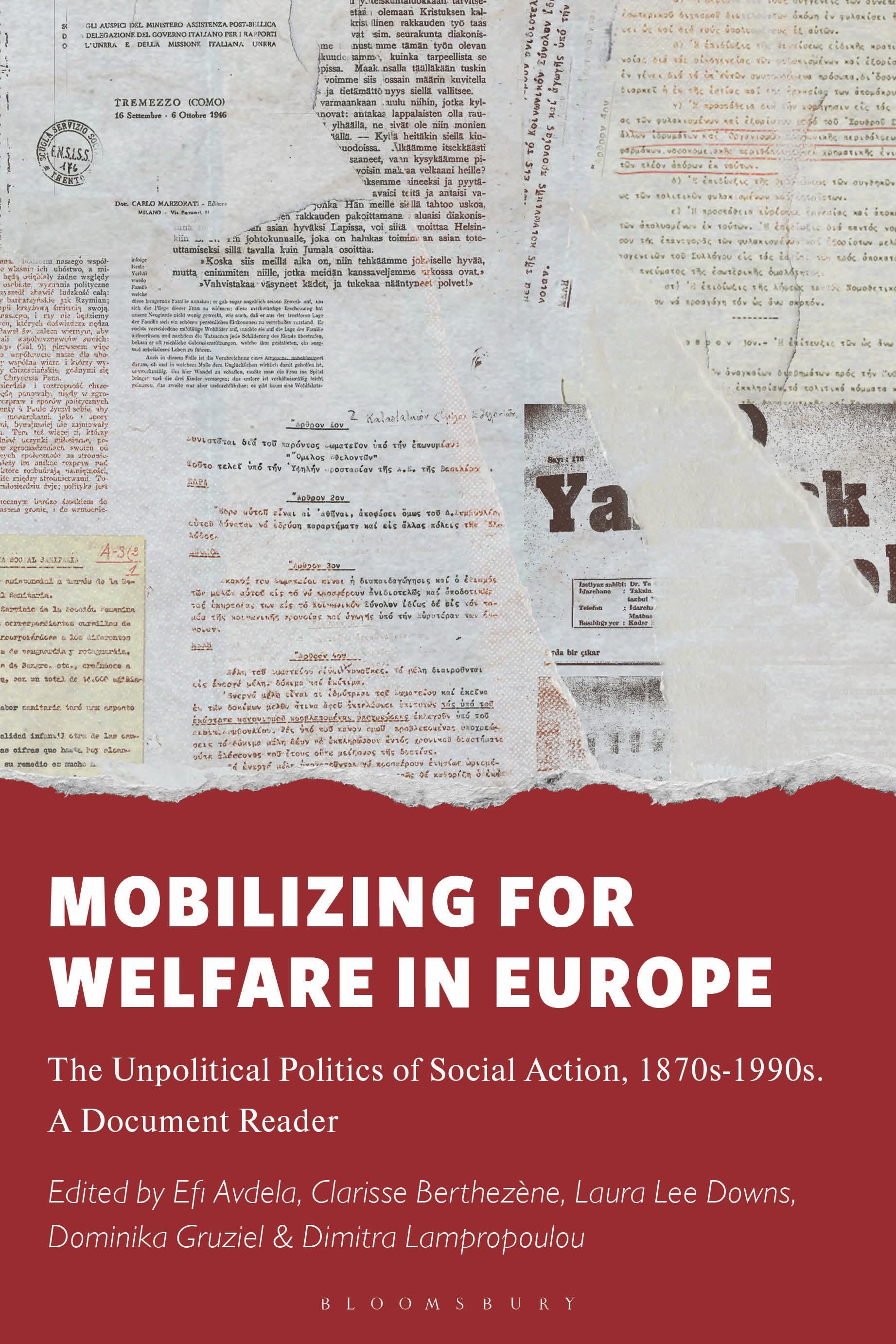
This is an engaging collection of 20 primary sources that provide insights into different approaches to social welfare from around Europe in the long 20th century, focusing particularly on marginalized groups.
Each chapter sheds light on a case of collective welfare action, and includes translated archival documents, alongside commentary that contextualises each case, and examines its socio-political underpinnings. This volume explores sources from 12 European countries, capturing historical approaches to collective action, and encompassing a plethora of welfare issues – such as religious and secular philanthropy, youth protection, gender history, and campaigns for prison reform. The result is a detailed study of the social welfare state in Europe.
With every source accompanied by an analysis of the ideas, ambitions, and practices of the actors themselves, in addition to an exploration of the larger regional context that influenced each pattern of collective mobilization, the editors highlight the distinction between the social and the political that underlies many forms of action undertaken in the field. Using the idea of 'unpolitical politics' as a new lens through which to explore the development of social welfare in a number of European contexts, this volume analyses who and what purports to be 'neutral', and why.
Each chapter sheds light on a case of collective welfare action, and includes translated archival documents, alongside commentary that contextualises each case, and examines its socio-political underpinnings. This volume explores sources from 12 European countries, capturing historical approaches to collective action, and encompassing a plethora of welfare issues – such as religious and secular philanthropy, youth protection, gender history, and campaigns for prison reform. The result is a detailed study of the social welfare state in Europe.
With every source accompanied by an analysis of the ideas, ambitions, and practices of the actors themselves, in addition to an exploration of the larger regional context that influenced each pattern of collective mobilization, the editors highlight the distinction between the social and the political that underlies many forms of action undertaken in the field. Using the idea of 'unpolitical politics' as a new lens through which to explore the development of social welfare in a number of European contexts, this volume analyses who and what purports to be 'neutral', and why.
Betal enkelt med kort, Klarna, Apple Pay eller Google Pay. Ikke fornøyd? Du har alltid 14 dagers angrerett. Les mer i våre vilkår. Har du spørsmål, send oss en e-post på hello@memmo.org.
Memmo gjør det enklere å studere – uansett hvor du er i verden. Hos oss samler du pensumbøker og smarte studieverktøy på ett og samme sted: sammendrag, quizer, podkaster og flashcards. Og så Ted, din studiekompis som svarer på alt du lurer på. Over 50 000 studenter studerer allerede her – bygget for at du skal lære raskere og stresse mindre.