
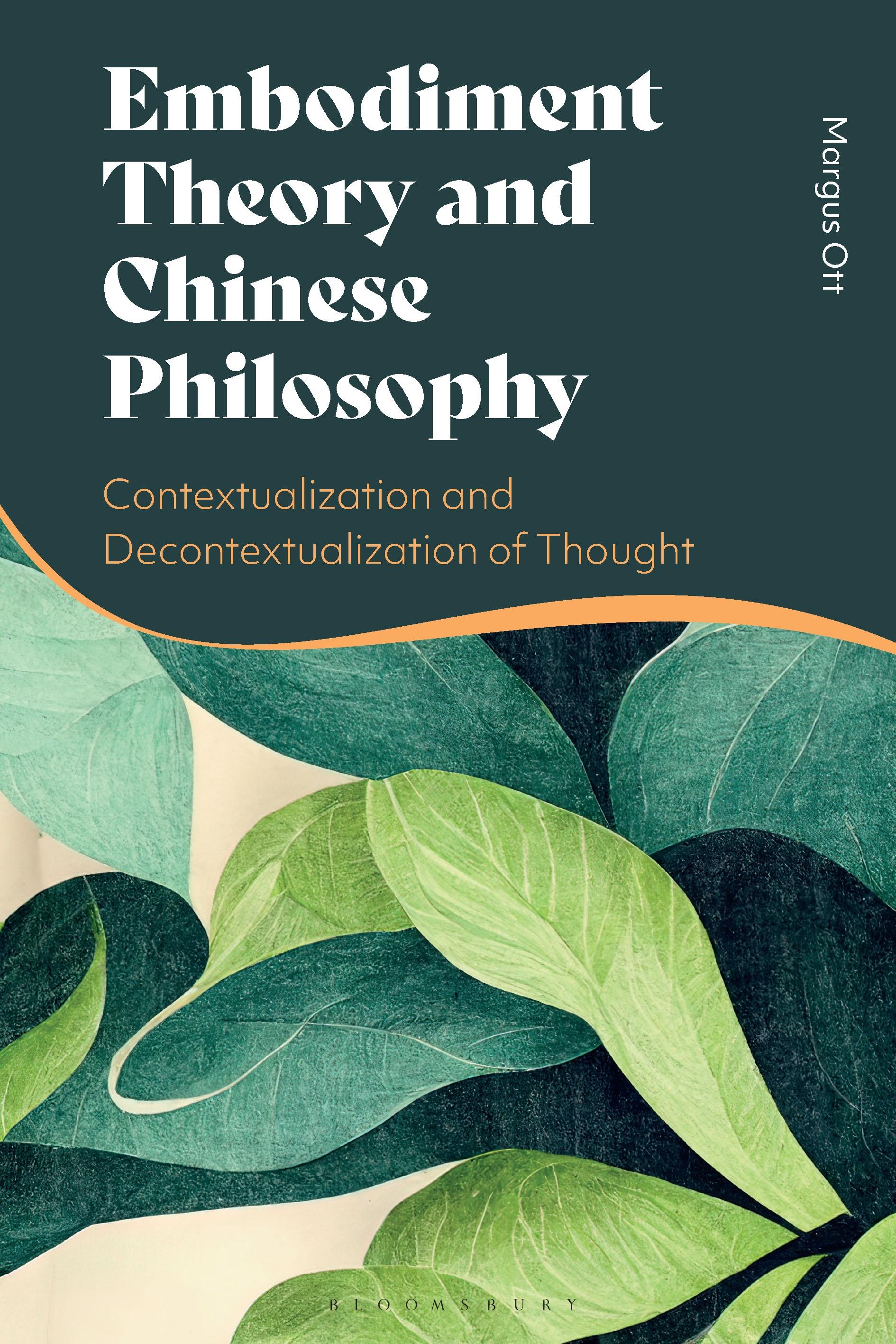
This book analyses some of the seminal texts of the Chinese tradition in light of the embodied tradition: the Analects of Confucius, the Zhuangzi, and the Treatise on Music. Margus Ott's study shows how they exemplify aspects of embodiment theory while highlighting others that have been neglected in contemporary work. Ott also develops far-reaching possibilities of an embodied philosophy.
The embodied understanding did not go unchallenged in Ancient China. There were important counter-currents, most notably the Mohists and the so-called Legalists. It has been argued that this challenge set the Chinese philosophical tradition in motion. By using embodiment theory Ott demonstrates how these ideas can be seen as a decontextualizing tendency of thought that plays an important role in human affairs.
The embodied understanding did not go unchallenged in Ancient China. There were important counter-currents, most notably the Mohists and the so-called Legalists. It has been argued that this challenge set the Chinese philosophical tradition in motion. By using embodiment theory Ott demonstrates how these ideas can be seen as a decontextualizing tendency of thought that plays an important role in human affairs.
Betal enkelt med kort, Klarna, Apple Pay eller Google Pay. Ikke fornøyd? Du har alltid 14 dagers angrerett. Les mer i våre vilkår. Har du spørsmål, send oss en e-post på hello@memmo.org.
Memmo gjør det enklere å studere – uansett hvor du er i verden. Hos oss samler du pensumbøker og smarte studieverktøy på ett og samme sted: sammendrag, quizer, podkaster og flashcards. Og så Ted, din studiekompis som svarer på alt du lurer på. Over 50 000 studenter studerer allerede her – bygget for at du skal lære raskere og stresse mindre.