
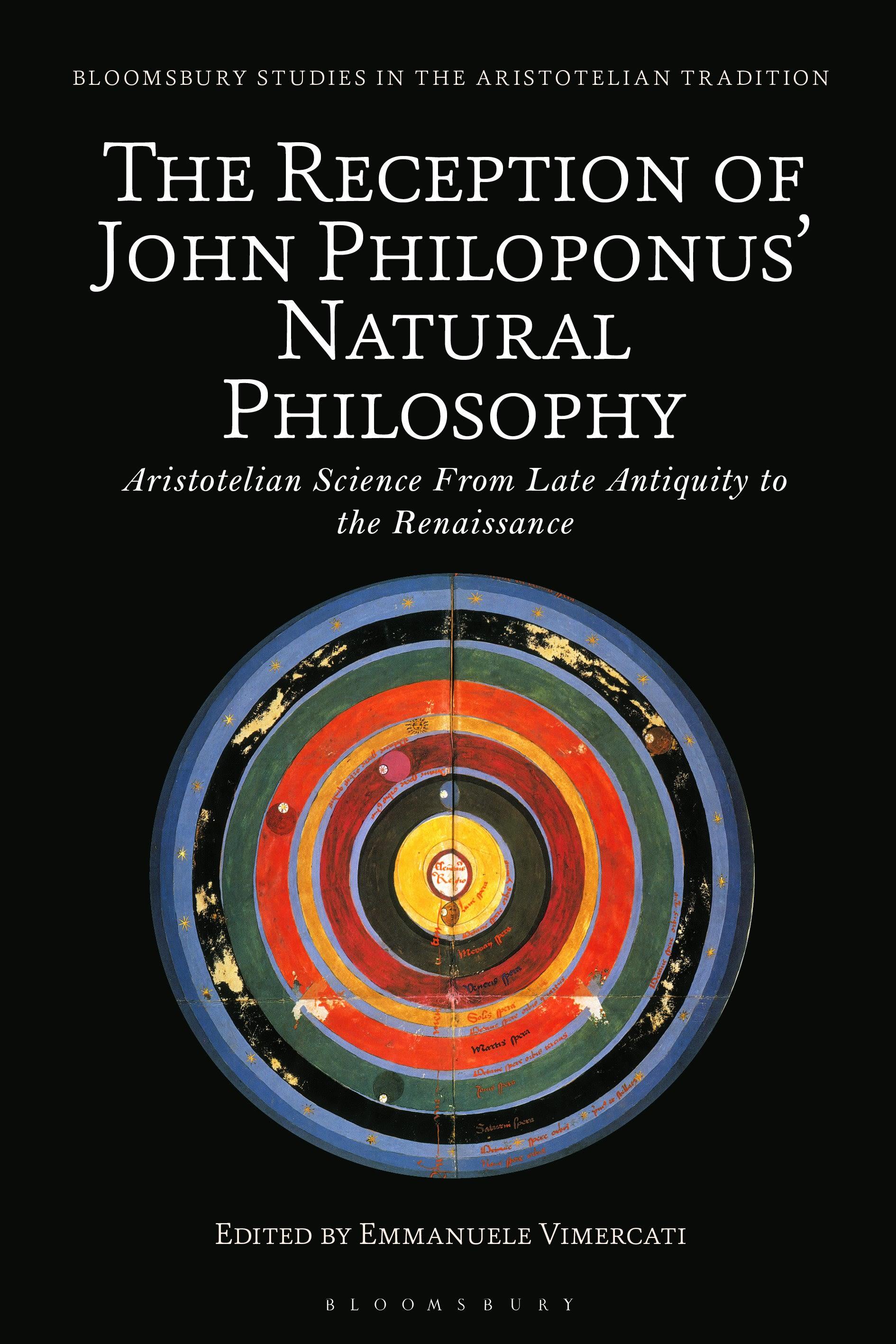
In some of his most famous works, John Philoponus (c. 490-570 CE) confronts numerous aspects of Aristotle's philosophy and science. Yet the influence of these reinterpretations and critiques remains under-examined. This volume fills this gap by uncovering the considerable impact of Philoponus' natural philosophy in both the medieval and Renaissance periods.
Divided into three parts, the first part of the volume introduces central concepts in Philoponus' philosophy. Highlighting the areas of crossover as well as of disagreement with Aristotle, chapters dedicate specific attention to Philoponus' theories of place, matter and vacuum; his ideas of motion; his discussion of the heavens and the fifth element; and his anthropology. This is followed, in parts two and three, by a focus on Philoponus' reception in the Middle Ages and the Renaissance respectively. Shedding light on the scientific ideas circulating in these periods, international experts explore a range of topics from the renewal of Aristotelianism in the Arab world, through the medieval Byzantine and Latin traditions, to Philoponus' appearance in the early works of Galileo.
Engaging with a number of Philoponus' key tracts, The Reception of John Philoponus' Natural Philosophy is both a much-needed study of Philoponus' influence and a revealing analysis of how Aristotelian science was received, adapted, critiqued and mediated throughout the Middle Ages and the Renaissance.
Divided into three parts, the first part of the volume introduces central concepts in Philoponus' philosophy. Highlighting the areas of crossover as well as of disagreement with Aristotle, chapters dedicate specific attention to Philoponus' theories of place, matter and vacuum; his ideas of motion; his discussion of the heavens and the fifth element; and his anthropology. This is followed, in parts two and three, by a focus on Philoponus' reception in the Middle Ages and the Renaissance respectively. Shedding light on the scientific ideas circulating in these periods, international experts explore a range of topics from the renewal of Aristotelianism in the Arab world, through the medieval Byzantine and Latin traditions, to Philoponus' appearance in the early works of Galileo.
Engaging with a number of Philoponus' key tracts, The Reception of John Philoponus' Natural Philosophy is both a much-needed study of Philoponus' influence and a revealing analysis of how Aristotelian science was received, adapted, critiqued and mediated throughout the Middle Ages and the Renaissance.
Betal enkelt med kort, Klarna, Apple Pay eller Google Pay. Ikke fornøyd? Du har alltid 14 dagers angrerett. Les mer i våre vilkår. Har du spørsmål, send oss en e-post på hello@memmo.org.
Memmo gjør det enklere å studere – uansett hvor du er i verden. Hos oss samler du pensumbøker og smarte studieverktøy på ett og samme sted: sammendrag, quizer, podkaster og flashcards. Og så Ted, din studiekompis som svarer på alt du lurer på. Over 50 000 studenter studerer allerede her – bygget for at du skal lære raskere og stresse mindre.