
Winner of the 2025 Marilyn Lake Prize for Australian Transnational History
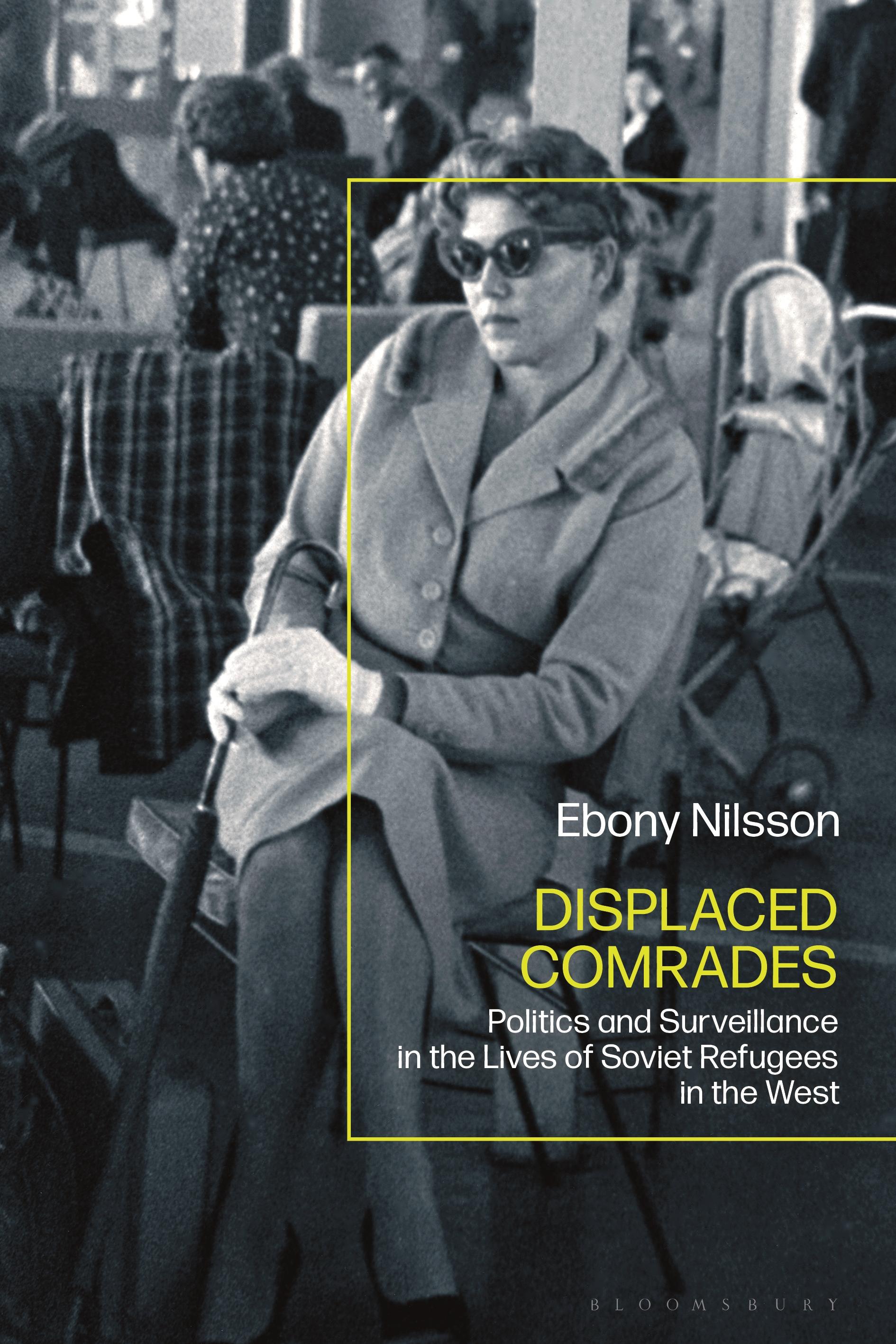
This book explores the lives of left-wing Soviet refugees who fled the Cold War to settle in Australia, and uncovers how they adjusted to life under surveillance in the West. As Cold War tensions built in the postwar years, many of these refugees happily resettled in the West as model refugees, proof of capitalist countries' superiority. But for a few, this was not the case. Displaced Comrades provides an account of these Cold War misfits, those refugees who fled East for West, but remained left-wing or pro-Soviet.
Drawing on interviews, government records and surveillance dossiers from multiple continents this book explores how these refugees' ideas took root in new ways. As these radical ideas drew suspicion from western intelligence these everyday lives were put under surveillance, shadowed by the persistent threat of espionage. With unprecented access to intelligence records, Nilsson focuses on how a number of these left-wing refugees adjusted to life in Australia, opening up a previously invisible segment of postwar migration history, and offering a new exploration of life as a Soviet 'enemy alien' in the West.
This book explores the lives of left-wing Soviet refugees who fled the Cold War to settle in Australia, and uncovers how they adjusted to life under surveillance in the West. As Cold War tensions built in the postwar years, many of these refugees happily resettled in the West as model refugees, proof of capitalist countries' superiority. But for a few, this was not the case. Displaced Comrades provides an account of these Cold War misfits, those refugees who fled East for West, but remained left-wing or pro-Soviet.
Drawing on interviews, government records and surveillance dossiers from multiple continents this book explores how these refugees' ideas took root in new ways. As these radical ideas drew suspicion from western intelligence these everyday lives were put under surveillance, shadowed by the persistent threat of espionage. With unprecented access to intelligence records, Nilsson focuses on how a number of these left-wing refugees adjusted to life in Australia, opening up a previously invisible segment of postwar migration history, and offering a new exploration of life as a Soviet 'enemy alien' in the West.
Betal enkelt med kort, Klarna, Apple Pay eller Google Pay. Ikke fornøyd? Du har alltid 14 dagers angrerett. Les mer i våre vilkår. Har du spørsmål, send oss en e-post på hello@memmo.org.
Memmo gjør det enklere å studere – uansett hvor du er i verden. Hos oss samler du pensumbøker og smarte studieverktøy på ett og samme sted: sammendrag, quizer, podkaster og flashcards. Og så Ted, din studiekompis som svarer på alt du lurer på. Over 50 000 studenter studerer allerede her – bygget for at du skal lære raskere og stresse mindre.