
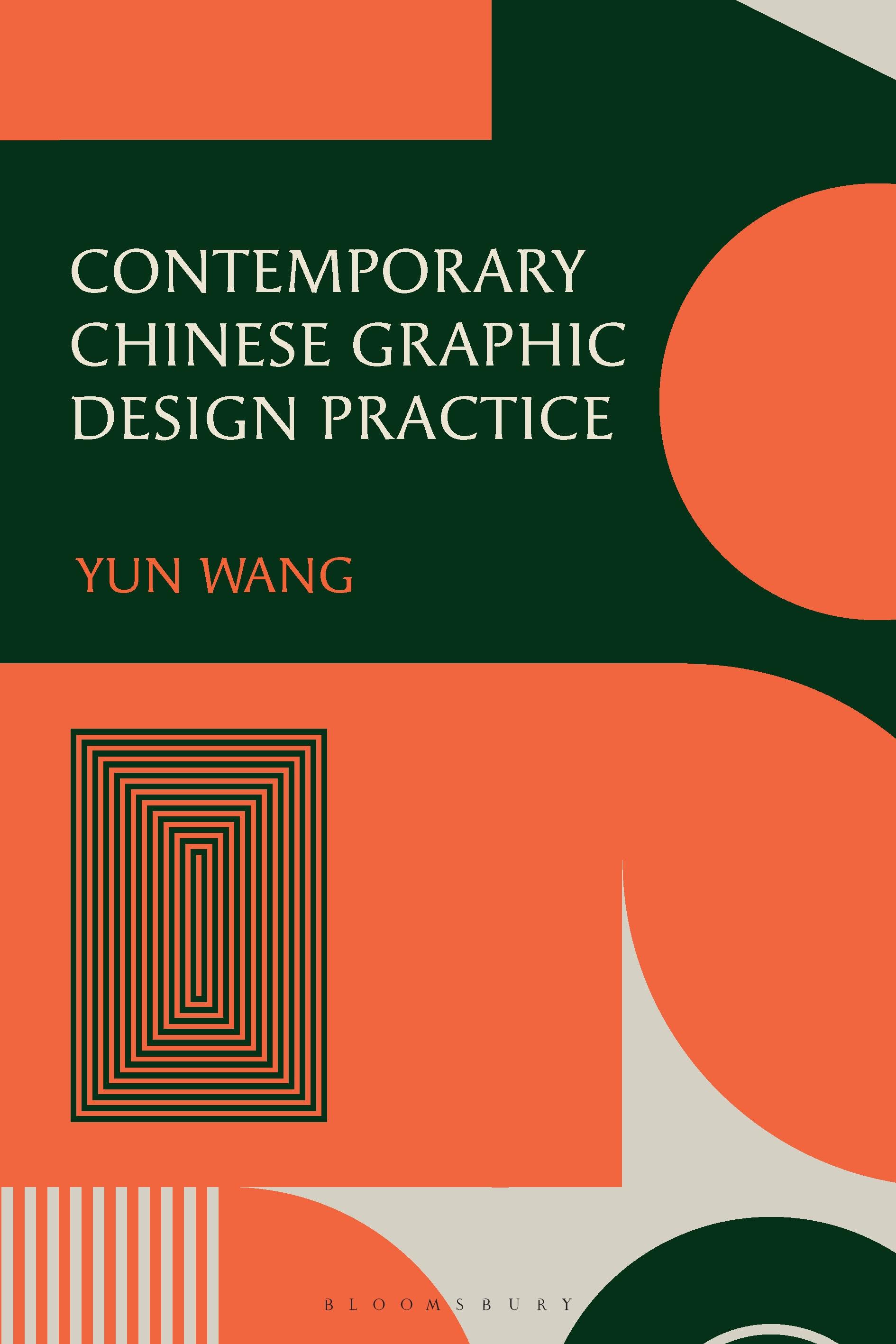
Drawing from a rich body of archival documents, case studies and interviews, this book explores the ways in which graphic designers in China sought to establish graphic design as a profession and discipline from the 1980s to the present day.
Yun Wang traces the impact of cultural, economic and social conditions on China's developing design industry in a period of rapid transformation, focusing on Beijing, Guangzhou and Shenzhen as industry centres. From the influence of the newly implemented reform and opening up policy in 1978, to membership of the World Trade Organization in 2001, and international events such as the 2008 Beijing Olympics, Wang maps the increased demand for design talent and the evolution of a creative industry. This book provides a critical and extensively researched narrative of how graphic design developed locally and regionally, through practice, in education and within the publishing landscape, and pays particular attention to the ways in which designers in different cities in the People's Republic of China intersected with international networks.
Including material from interviews with over 50 designers and other stakeholders, archival research into graphic work, design journals and exhibition catalogues, and 100 illustrations and photographs throughout, this book provides an in-depth exploration of graphic design developments in recent decades. It also features personal and institutional accounts, in addition to the author's unique insight and reflections on the growing design industry in contemporary China.
Yun Wang traces the impact of cultural, economic and social conditions on China's developing design industry in a period of rapid transformation, focusing on Beijing, Guangzhou and Shenzhen as industry centres. From the influence of the newly implemented reform and opening up policy in 1978, to membership of the World Trade Organization in 2001, and international events such as the 2008 Beijing Olympics, Wang maps the increased demand for design talent and the evolution of a creative industry. This book provides a critical and extensively researched narrative of how graphic design developed locally and regionally, through practice, in education and within the publishing landscape, and pays particular attention to the ways in which designers in different cities in the People's Republic of China intersected with international networks.
Including material from interviews with over 50 designers and other stakeholders, archival research into graphic work, design journals and exhibition catalogues, and 100 illustrations and photographs throughout, this book provides an in-depth exploration of graphic design developments in recent decades. It also features personal and institutional accounts, in addition to the author's unique insight and reflections on the growing design industry in contemporary China.
Betal enkelt med kort, Klarna, Apple Pay eller Google Pay. Ikke fornøyd? Du har alltid 14 dagers angrerett. Les mer i våre vilkår. Har du spørsmål, send oss en e-post på hello@memmo.org.
Memmo gjør det enklere å studere – uansett hvor du er i verden. Hos oss samler du pensumbøker og smarte studieverktøy på ett og samme sted: sammendrag, quizer, podkaster og flashcards. Og så Ted, din studiekompis som svarer på alt du lurer på. Over 50 000 studenter studerer allerede her – bygget for at du skal lære raskere og stresse mindre.