
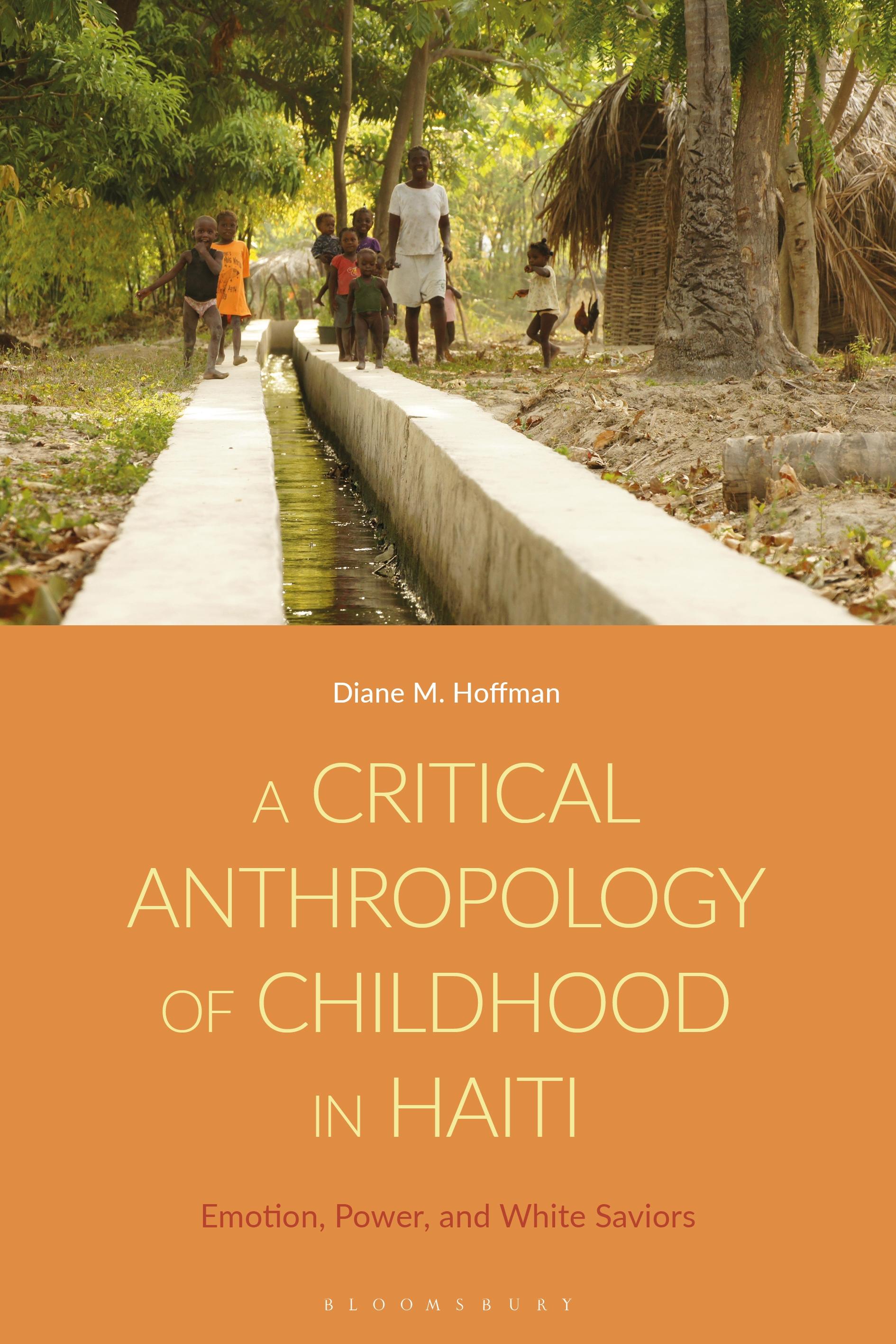
This book offers a critical anthropological perspective on contemporary childhood in Haiti. It is based on longitudinal ethnographic fieldwork carried out over a period of 13 years with vulnerable children in Haiti. Diane M. Hoffman raises important questions about how interventions by well-meaning foreigners and 'white saviors' often misrepresent Haitian culture and society as deficient, while privileging their own emotions alongside supposedly universal ideas about children that reinforce their own power to define and intervene in Haitian lives. She argues for a new approach to Haitian childhood that centers children's informal learning and self-education alongside indigenous spirituality and constructions of personhood that can resist the hegemony of neo-colonial and neo-liberal forces. Instead of representing the country and its children as a place of "problems to be solved," the book shows the importance prioritizing aspects of Haitian world-views in order to develop a more culturally-informed understanding of childhood in Haiti that can support genuine social change.
Betal enkelt med kort, Klarna, Apple Pay eller Google Pay. Ikke fornøyd? Du har alltid 14 dagers angrerett. Les mer i våre vilkår. Har du spørsmål, send oss en e-post på hello@memmo.org.
Memmo gjør det enklere å studere – uansett hvor du er i verden. Hos oss samler du pensumbøker og smarte studieverktøy på ett og samme sted: sammendrag, quizer, podkaster og flashcards. Og så Ted, din studiekompis som svarer på alt du lurer på. Over 50 000 studenter studerer allerede her – bygget for at du skal lære raskere og stresse mindre.