
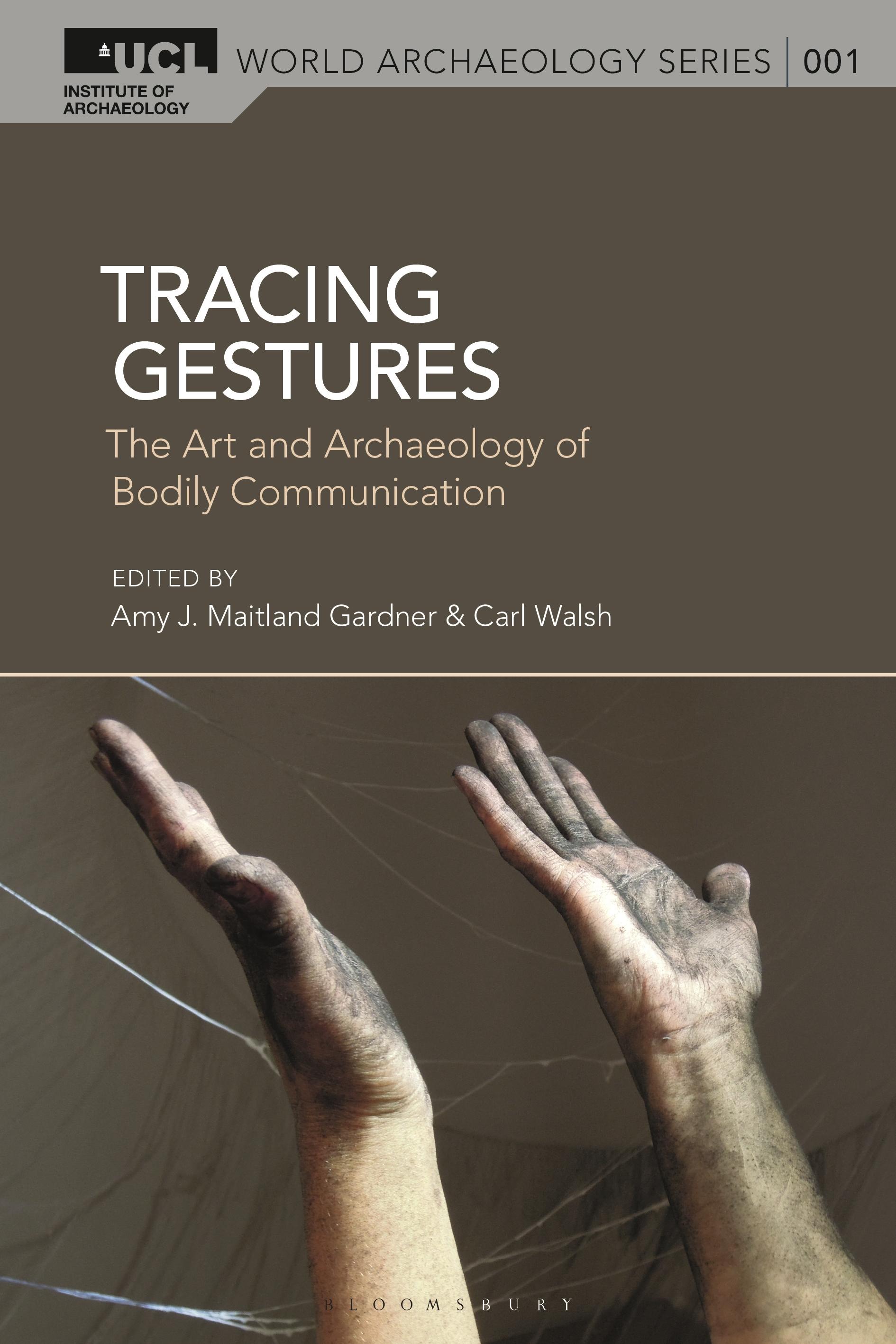
This volume examines the role of gestures in past societies, exploring both how meaning was communicated through bodily actions, and also how archaeologists can trace the symbolism and significance of ancient gestures, ritual practices and bodily techniques through the material remnants of past human groups.
Gesture studies is an area of increasing interest within the social sciences, and the individual chapters not only respond to developments in the field, but push it forward by bringing a wide range of perspectives and approaches into dialogue with one another. Each exhibits a critical and reflexive approach to bodily communication and to re-tracing bodies through the archaeological record (in art, the treatment of the body and material culture), and together they demonstrate the diversity of pioneering global research on gestures in archaeology and related disciplines, with contributions from leading researchers in Aegean, Mediterranean, Mesoamerican, Japanese and Near Eastern archaeology.
By bringing case studies from each of these different cultures and regions together and drawing on interdisciplinary insights from anthropology, sociology, psychology, linguistics, design, art history and the performing arts, this volume reveals the similarities and differences in gestures as expressed in cultures around the world, and offers new and valuable perspectives on the nature of bodily communication across both space and time.
Gesture studies is an area of increasing interest within the social sciences, and the individual chapters not only respond to developments in the field, but push it forward by bringing a wide range of perspectives and approaches into dialogue with one another. Each exhibits a critical and reflexive approach to bodily communication and to re-tracing bodies through the archaeological record (in art, the treatment of the body and material culture), and together they demonstrate the diversity of pioneering global research on gestures in archaeology and related disciplines, with contributions from leading researchers in Aegean, Mediterranean, Mesoamerican, Japanese and Near Eastern archaeology.
By bringing case studies from each of these different cultures and regions together and drawing on interdisciplinary insights from anthropology, sociology, psychology, linguistics, design, art history and the performing arts, this volume reveals the similarities and differences in gestures as expressed in cultures around the world, and offers new and valuable perspectives on the nature of bodily communication across both space and time.
Betal enkelt med kort, Klarna, Apple Pay eller Google Pay. Ikke fornøyd? Du har alltid 14 dagers angrerett. Les mer i våre vilkår. Har du spørsmål, send oss en e-post på hello@memmo.org.
Memmo gjør det enklere å studere – uansett hvor du er i verden. Hos oss samler du pensumbøker og smarte studieverktøy på ett og samme sted: sammendrag, quizer, podkaster og flashcards. Og så Ted, din studiekompis som svarer på alt du lurer på. Over 50 000 studenter studerer allerede her – bygget for at du skal lære raskere og stresse mindre.