
Winner of the British Association of Film, Television and Screen Studies Best First Monograph Award
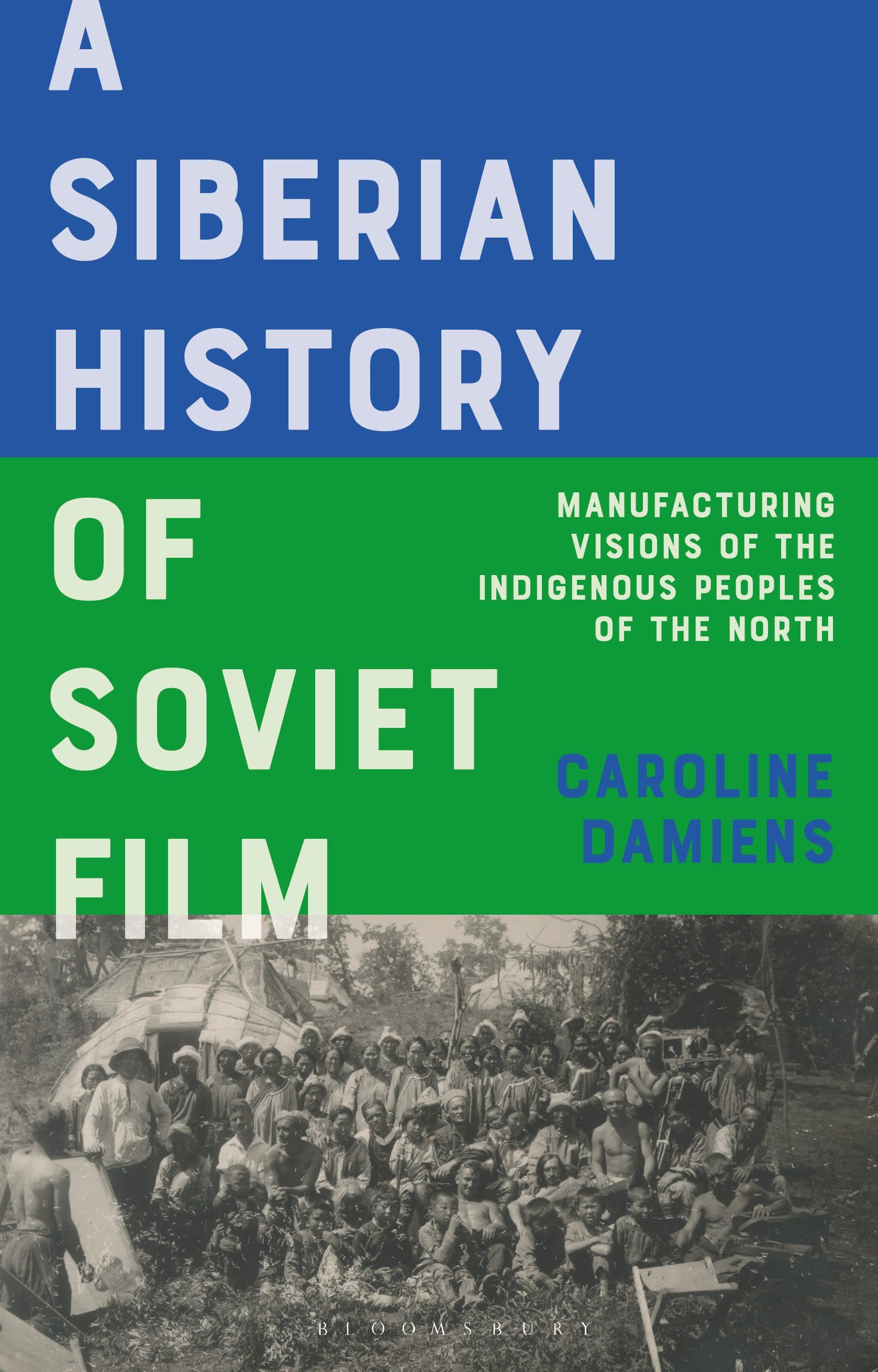
In A Siberian History of Soviet Film, Caroline Damiens explores how the depictions of the indigenous 'Peoples of the North' in Soviet cinema and television evolved between 1920 and 1980.
Damiens combines a detailed analysis of key works such as Forest People (1928), Igdenbu (1930), Dersu Uzala (1961 & 1975), Tymancha's Friend (1969) and The Most Beautiful Ships (1972), with primary sources like press articles, archives, and interviews, to reveal how these cinematic portrayals were created and negotiated, providing insight into the concepts of progress and authenticity in the Soviet context. She emphasises the role of indigenous individuals in shaping their cinematic image, both in front of and behind the camera, highlighting the works of lesser-known figures like Suntsai Geonka, Zinaida Pikunova, and Iurii Rytkheu. In doing so, Damiens emphasises the multifaceted nature of film, where interpretations differ based on the perspectives of those involved.
Using a decolonial approach and drawing from extensive archival materials, Damiens prompts a re-evaluation of the Soviet cinematic past and present by centring indigenous voices in the narrative. In doing so, she provides a thorough exploration of the intricate relationship between culture, representation, and identity in Soviet cinema.
In A Siberian History of Soviet Film, Caroline Damiens explores how the depictions of the indigenous 'Peoples of the North' in Soviet cinema and television evolved between 1920 and 1980.
Damiens combines a detailed analysis of key works such as Forest People (1928), Igdenbu (1930), Dersu Uzala (1961 & 1975), Tymancha's Friend (1969) and The Most Beautiful Ships (1972), with primary sources like press articles, archives, and interviews, to reveal how these cinematic portrayals were created and negotiated, providing insight into the concepts of progress and authenticity in the Soviet context. She emphasises the role of indigenous individuals in shaping their cinematic image, both in front of and behind the camera, highlighting the works of lesser-known figures like Suntsai Geonka, Zinaida Pikunova, and Iurii Rytkheu. In doing so, Damiens emphasises the multifaceted nature of film, where interpretations differ based on the perspectives of those involved.
Using a decolonial approach and drawing from extensive archival materials, Damiens prompts a re-evaluation of the Soviet cinematic past and present by centring indigenous voices in the narrative. In doing so, she provides a thorough exploration of the intricate relationship between culture, representation, and identity in Soviet cinema.
Sider: 320
Kategori: Film- & Medievetenskap
e-ISBN: 9781350269897
Fraktvekt: 1.2 kg
Sendes innen: 1-2 dager
Betal enkelt med kort, Klarna, Apple Pay eller Google Pay. Ikke fornøyd? Du har alltid 14 dagers angrerett. Les mer i våre vilkår. Har du spørsmål, send oss en e-post på hello@memmo.org.
Memmo gjør det enklere å studere – uansett hvor du er i verden. Hos oss samler du pensumbøker og smarte studieverktøy på ett og samme sted: sammendrag, quizer, podkaster og flashcards. Og så Ted, din studiekompis som svarer på alt du lurer på. Over 50 000 studenter studerer allerede her – bygget for at du skal lære raskere og stresse mindre.