
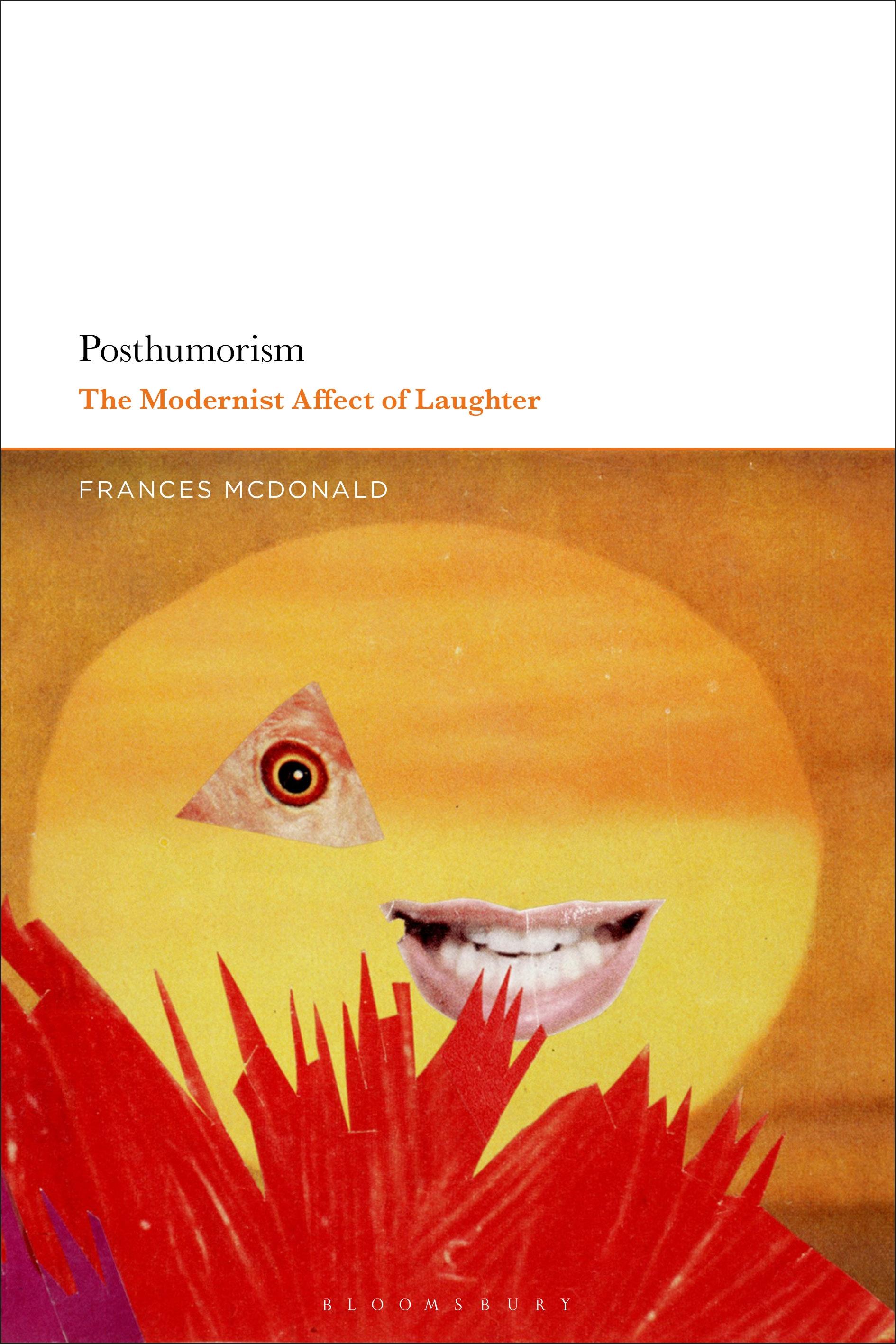
Examining the multiple non-humorous meanings of laughter, this book explores a unique strain of laughter in modernism that is without humor, without humans, and without humanism. Providing a bold new theory of modernism's affects, Posthumorism chronicles the scattered emergence of a particular strain of humorless laughter in twentieth-century literature, film, and philosophy.
From William James's trippy experiments with laughing gas to the wide-open suicide shriek of Major Kong in Stanley Kubrick's Dr. Strangelove, modernity is strewn with examples of such laughter – defined by its ability to “crack up” and destroy, whilst opening new horizons of perception.
Examining the creative operation of posthumorist laughter, this book explores how various stylists of the form-from Nathanael West and Kurt Vonnegut to Georges Bataille and Hélène Cixous-use it as a tool to unsettle, reconfigure the individual human, and shape different forms of humanist discourse.
From William James's trippy experiments with laughing gas to the wide-open suicide shriek of Major Kong in Stanley Kubrick's Dr. Strangelove, modernity is strewn with examples of such laughter – defined by its ability to “crack up” and destroy, whilst opening new horizons of perception.
Examining the creative operation of posthumorist laughter, this book explores how various stylists of the form-from Nathanael West and Kurt Vonnegut to Georges Bataille and Hélène Cixous-use it as a tool to unsettle, reconfigure the individual human, and shape different forms of humanist discourse.
Betal enkelt med kort, Klarna, Apple Pay eller Google Pay. Ikke fornøyd? Du har alltid 14 dagers angrerett. Les mer i våre vilkår. Har du spørsmål, send oss en e-post på hello@memmo.org.
Memmo gjør det enklere å studere – uansett hvor du er i verden. Hos oss samler du pensumbøker og smarte studieverktøy på ett og samme sted: sammendrag, quizer, podkaster og flashcards. Og så Ted, din studiekompis som svarer på alt du lurer på. Over 50 000 studenter studerer allerede her – bygget for at du skal lære raskere og stresse mindre.